


Who Is at Risk of Gum Disease? Key Factors You Should Know
Understanding who is most at risk of developing Gum Disease is essential for prevention, early detection, and long-term oral health. Gum disease is one of the most common dental conditions worldwide, yet many people do not realize they are at risk until symptoms become severe. This article explores the key risk factors that increase the likelihood of gum disease and explains how you can take proactive steps to protect your gums and teeth.
What Is Gum Disease?
A Brief Overview of Periodontal Disease
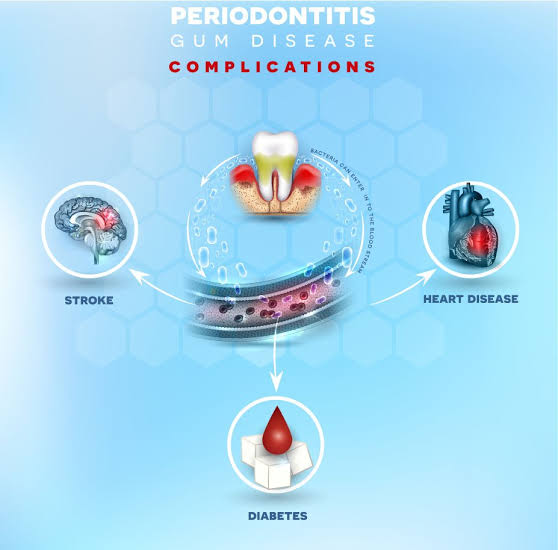
Gum disease, also known as periodontal disease, is a bacterial infection that affects the gums and supporting structures of the teeth. It typically begins with gingivitis, a mild form of gum inflammation, and can progress into periodontitis if left untreated. In advanced stages, gum disease can lead to gum recession, bone loss, and even tooth loss.
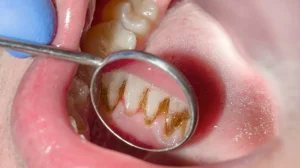
The condition develops when plaque—a sticky film of bacteria—builds up along the gumline. If not removed through proper oral hygiene, this plaque hardens into tartar, making it more difficult to clean and increasing inflammation.
Poor Oral Hygiene: The Leading Cause
How Inadequate Brushing and Flossing Increase Risk
One of the most significant risk factors for gum disease is poor oral hygiene. Failing to brush twice daily and floss regularly allows plaque to accumulate, creating an environment where harmful bacteria thrive.
Over time, this bacterial buildup irritates the gums, causing redness, swelling, and bleeding. If oral hygiene habits do not improve, the condition can progress from mild gingivitis to more severe forms of gum disease that affect deeper tissues.
Importance of Consistent Dental Care
Regular dental check-ups and professional cleanings are essential to remove tartar that cannot be eliminated by brushing alone. Without consistent care, even individuals with initially healthy gums may develop periodontal issues.
Smoking and Tobacco Use
Why Smokers Face Higher Risk
Smoking is one of the strongest risk factors for gum disease. Tobacco products weaken the immune system, making it harder for the body to fight bacterial infections in the gums.
Smokers are also more likely to develop hardened plaque and experience reduced blood flow to gum tissues, which slows healing and masks early warning signs such as bleeding gums.
Impact on Treatment Outcomes
In addition to increasing risk, smoking significantly reduces the effectiveness of gum disease treatments. Smokers often experience slower recovery and a higher chance of recurrence compared to non-smokers.
Medical Conditions That Increase Risk
Diabetes and Gum Disease Connection
People with diabetes are at a higher risk of developing gum disease due to elevated blood sugar levels, which can promote bacterial growth and reduce the body’s ability to fight infections. Poorly controlled diabetes further increases inflammation and gum tissue damage.
Other Health Conditions
Conditions that weaken the immune system—such as autoimmune diseases or HIV—can also increase susceptibility to gum infections. Individuals undergoing treatments like chemotherapy may experience reduced resistance to oral bacteria as well.
Hormonal Changes and Life Stages
Puberty, Pregnancy, and Menopause
Hormonal fluctuations can make gums more sensitive and prone to inflammation. During puberty, pregnancy, and menopause, increased hormone levels can intensify the body’s response to plaque, even if oral hygiene habits remain consistent.
Pregnancy in particular may lead to “pregnancy gingivitis,” a temporary but significant increase in gum sensitivity and swelling.
Why Women Should Monitor Oral Health Closely
Women experiencing hormonal changes should maintain regular dental visits, as early intervention can prevent minor gum inflammation from developing into more serious periodontal conditions.
Genetics and Family History
Inherited Risk Factors
Genetics can play a significant role in determining susceptibility to gum disease. Some individuals may inherit a stronger inflammatory response to bacteria, making them more prone to gum tissue damage even with good oral hygiene.
Importance of Early Screening
If gum disease runs in your family, early dental screening and preventive care become especially important. Dentists can monitor gum health more closely and recommend personalized prevention strategies.
Diet and Nutritional Deficiencies
The Role of Poor Nutrition
A diet high in sugar and processed foods increases the growth of harmful bacteria in the mouth. Frequent sugar intake feeds plaque-forming bacteria, accelerating the progression of gum disease.
Lack of Essential Nutrients
Deficiencies in key nutrients such as vitamin C and calcium can weaken gum tissues and reduce the body’s ability to repair damage. A balanced diet rich in fruits, vegetables, lean proteins, and dairy supports stronger gums and teeth.
Age and Gum Disease Risk
Why Risk Increases Over Time
As people age, the risk of gum disease naturally increases due to prolonged exposure to plaque, changes in immune response, and cumulative wear on oral tissues. Older adults are more likely to experience gum recession and bone loss.
Oral Health in Older Adults
Regular dental care becomes increasingly important with age, as early signs of gum disease may be overlooked or mistaken for normal aging.
Medications and Dry Mouth
How Certain Drugs Affect Gum Health
Some medications can reduce saliva flow, leading to dry mouth (xerostomia). Saliva plays a crucial role in washing away bacteria and neutralizing acids in the mouth.
Increased Bacterial Growth
When saliva production decreases, bacteria can multiply more easily, increasing the risk of plaque buildup and gum inflammation. Common medications that may contribute include antihypertensives, antidepressants, and antihistamines.
Stress and Immune Response
The Link Between Stress and Oral Health
Chronic stress can weaken the immune system, making it harder for the body to fight infections, including those affecting the gums. Stress may also lead to poor oral hygiene habits, such as neglecting brushing or flossing.
Behavioral Factors
Stress-related behaviors like teeth grinding or smoking can further increase the risk of gum disease and accelerate damage to gum tissues.
Conclusion: Understanding Your Risk Helps Prevention
Gum disease is a multifactorial condition influenced by lifestyle, genetics, health status, and daily habits. While anyone can develop gum disease, understanding the key risk factors—such as poor oral hygiene, smoking, medical conditions, hormonal changes, and age—can significantly improve prevention efforts.
By identifying your personal risk level early and maintaining consistent dental care, you can reduce the likelihood of developing advanced periodontal issues. Regular dental visits, a balanced diet, and strong oral hygiene habits remain the most effective ways to protect your gums and preserve long-term oral health.