


What to Expect During Gum Disease Treatment at the Dentist
Seeking treatment for Gum Disease can feel overwhelming, especially if you are unsure what the process involves. However, modern dental care is designed to be comfortable, structured, and highly effective at stopping infection and restoring gum health. Understanding what happens during treatment can help reduce anxiety and encourage timely care, which is essential for preventing long-term damage such as gum recession and tooth loss.
This article explains what to expect during gum disease treatment at the dentist, including the stages of care, common procedures, recovery, and long-term maintenance.
Initial Dental Assessment and Diagnosis
Comprehensive Oral Examination

The first step in gum disease treatment is a detailed examination. Your dentist will assess the health of your gums, teeth, and supporting bone structure. They will look for signs such as redness, swelling, bleeding, and gum recession.
A periodontal probe may be used to measure the depth of the spaces between your teeth and gums. Deeper pockets often indicate more advanced gum disease.
Dental X-Rays for Bone Assessment
X-rays are commonly taken to evaluate the level of bone support around the teeth. This helps determine whether the gum disease is limited to the soft tissue or has progressed to affect the bone.
This diagnostic stage is crucial for creating a personalised treatment plan tailored to the severity of the condition.
Understanding Your Gum Disease Stage
Gingivitis vs Periodontitis
Gum disease typically progresses in stages. Gingivitis is the early stage and is reversible with proper care. At this stage, gums may be inflamed and bleed easily, but there is no permanent damage.
If untreated, it can progress to periodontitis, where the infection spreads below the gumline, damaging bone and connective tissues that support the teeth.
Why Staging Matters for Treatment
The severity of the disease determines the type of treatment required. Early stages may only require professional cleaning and improved oral hygiene, while advanced cases may need deep cleaning or surgical intervention.
Professional Dental Cleaning (Scale and Clean)
Removal of Plaque and Tartar
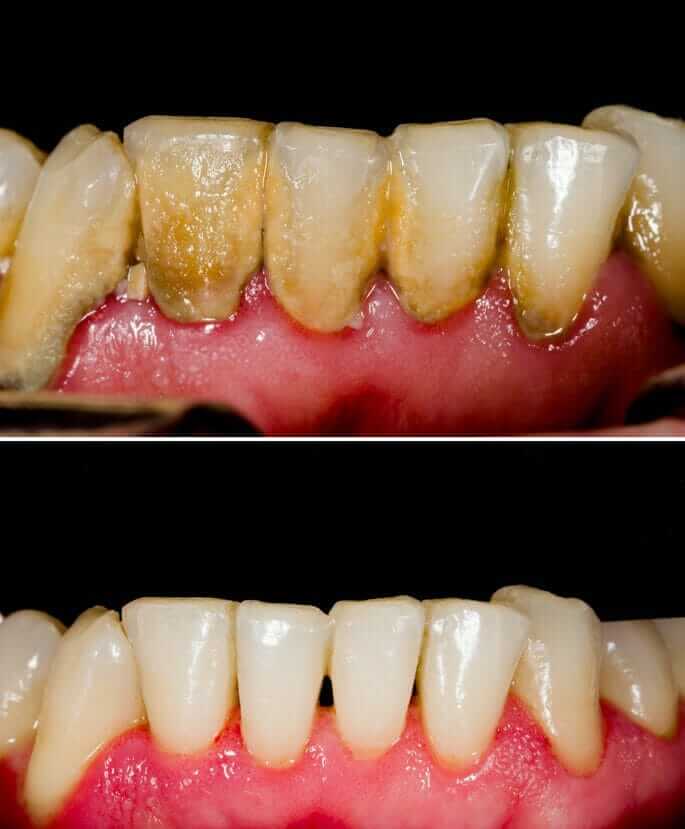
One of the first treatments for gum disease is professional cleaning, also known as scaling. This procedure removes plaque and hardened tartar from the surface of the teeth and along the gumline.
Tartar cannot be removed by brushing at home, making professional cleaning essential for stopping disease progression.
Polishing the Teeth
After scaling, the teeth are polished to smooth the surfaces. This makes it harder for plaque to reattach and helps improve overall oral hygiene.
This stage is often sufficient for mild cases of gum disease.
Deep Cleaning: Scaling and Root Planing
Cleaning Below the Gumline
For more advanced cases, dentists perform a deep cleaning procedure known as scaling and root planing. This involves cleaning below the gumline to remove bacteria, plaque, and tartar from periodontal pockets.
Root planing smooths the tooth roots, helping the gums reattach more securely and reducing pocket depth.
Local Anaesthetic for Comfort
To ensure comfort during the procedure, local anaesthetic is typically used. This numbs the area being treated so patients experience minimal discomfort.
Deep cleaning is often performed over multiple visits depending on the severity of the condition.
Periodontal Pocket Reduction
When Deep Pockets Persist
In some cases, gum pockets remain deep even after scaling and root planing. These pockets can trap bacteria and make oral hygiene difficult.
Surgical Intervention
Your dentist or periodontist may recommend periodontal surgery to reduce pocket depth. This allows easier cleaning and reduces the risk of reinfection.
Surgical procedures may involve lifting the gums to remove bacteria or reshaping bone to restore healthier gum attachment.
Gum Grafting Procedures
Repairing Receded Gums
If gum disease has caused gum recession, a gum graft may be recommended. This procedure involves taking tissue from another part of the mouth or using donor material to rebuild lost gum tissue.
Protecting Tooth Roots
Gum grafting helps protect exposed tooth roots, reduces sensitivity, and improves the appearance of the smile. It also helps prevent further gum deterioration.
Bone Regeneration Treatments
Restoring Lost Bone Structure
In severe cases of periodontitis, bone loss may occur. Dentists may use bone grafting techniques to regenerate lost bone and provide better support for teeth.
Guided Tissue Regeneration
Special materials may be used to encourage natural bone regrowth and prevent unwanted tissue from interfering with healing.
These procedures help stabilise teeth and improve long-term outcomes.
Recovery After Gum Disease Treatment
What to Expect After Procedures
After treatment, it is normal to experience mild discomfort, sensitivity, or swelling. These symptoms usually improve within a few days.
Your dentist may recommend pain relief medication or special mouth rinses to support healing.
Post-Treatment Oral Care
Maintaining excellent oral hygiene after treatment is essential. This includes brushing gently, flossing daily, and using any prescribed antibacterial rinses.
Proper care helps prevent the return of infection.
Follow-Up Appointments and Maintenance
Monitoring Gum Health
Regular follow-up visits are necessary to monitor healing and ensure that gum disease does not return. Your dentist will check pocket depths and overall gum health.
Supportive Periodontal Therapy
Patients who have had gum disease treatment often require ongoing maintenance cleanings every 3–6 months to keep bacteria under control and maintain healthy gums.
Lifestyle Changes to Support Treatment Success
Improving Oral Hygiene Habits
Daily brushing and flossing are critical to preventing recurrence. Using proper techniques helps remove plaque effectively and protects gum tissue.
Healthy Diet and Habits
A balanced diet low in sugar and rich in vitamins supports gum healing. Avoiding smoking is also essential, as tobacco significantly slows recovery and increases the risk of reinfection.
Managing Anxiety About Dental Treatment
Modern Pain-Free Dentistry
Many patients feel anxious about gum treatment, but modern dentistry focuses heavily on comfort. Local anaesthetics and gentle techniques make procedures far more comfortable than most people expect.
Communication With Your Dentist
Discussing concerns with your dentist can help tailor treatment to your comfort level. Many clinics offer sedation options for patients with dental anxiety.
Conclusion: Understanding Your Gum Disease Treatment Journey
Treatment for Gum Disease is a structured and highly effective process designed to stop infection, restore gum health, and prevent long-term damage. From initial diagnosis to deep cleaning, surgical procedures, and ongoing maintenance, each stage plays an important role in protecting your teeth and gums.
While treatment may involve multiple steps, early intervention greatly improves outcomes and reduces the need for complex procedures. With proper care, most patients can successfully control gum disease and maintain a healthy smile for life.
Understanding what to expect during treatment helps reduce anxiety and encourages timely dental visits, which are essential for long-term oral health.