

What Are Teeth Caps? A Complete Guide to Dental Crowns
Teeth caps, commonly known as dental crowns, are restorative dental treatments designed to protect damaged teeth, restore their shape, and improve their appearance. Whether a tooth has been weakened by decay, cracked due to injury, or treated with a root canal, a dental crown can help restore its strength and function.
Understanding what teeth caps are, how they work, and when they may be needed can help you make informed decisions about your oral health. In this complete guide, we explore the different types of dental crowns, their benefits, the treatment process, and how to maintain your crown for long-lasting results.
What Are Teeth Caps?
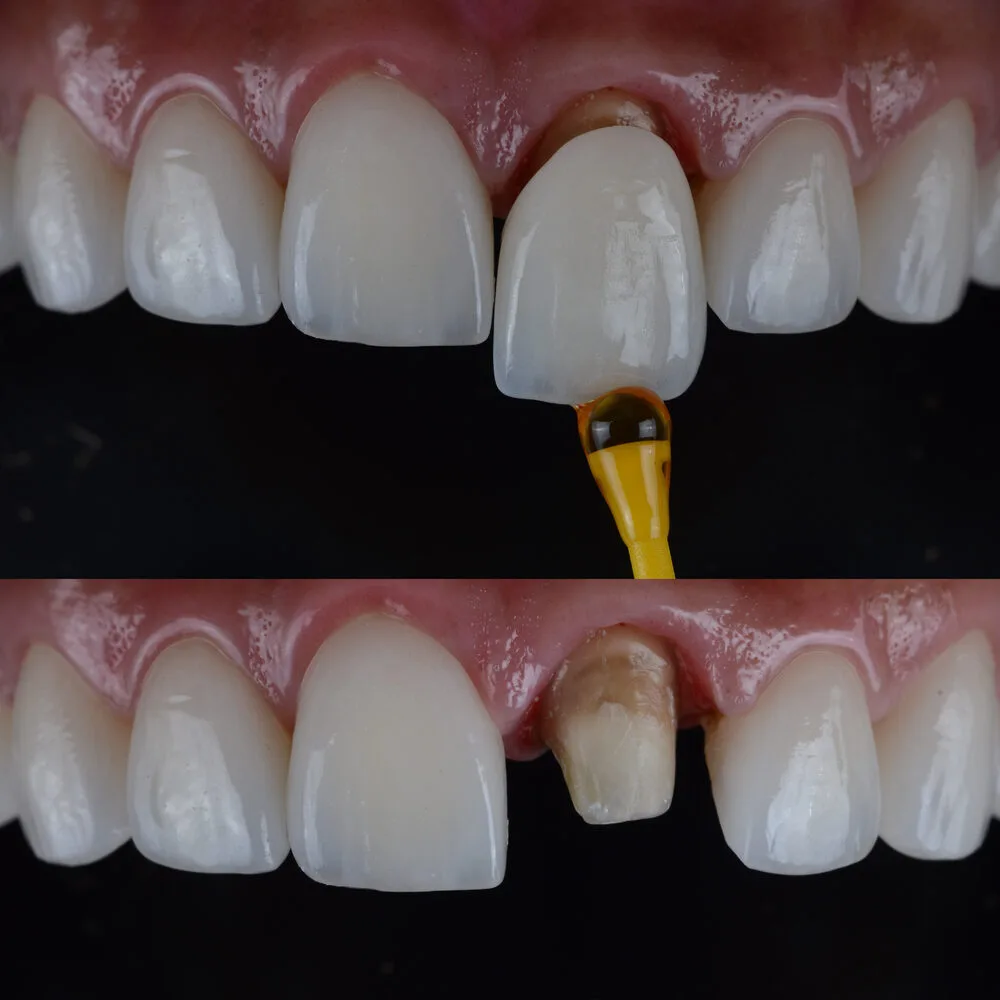
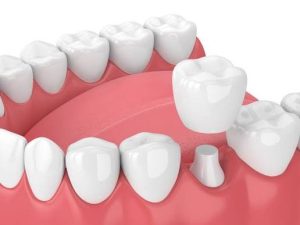
A tooth cap is a custom-made covering that fits over a natural tooth. Dentists use dental crowns to protect weakened teeth, restore damaged tooth structures, and improve the shape, size, or colour of teeth.
Unlike a dental filling, which repairs only a portion of a tooth, a dental crown covers the visible part of the tooth above the gum line. It is designed to withstand everyday activities such as chewing and speaking while helping preserve the remaining natural tooth.
Dental crowns can be made from several materials, including porcelain, ceramic, zirconia, metal, and porcelain-fused-to-metal. The most suitable option depends on the tooth’s location, the amount of damage, aesthetic preferences, and your dentist’s recommendation.
Why Would You Need a Dental Crown?
Dental crowns are recommended when a tooth requires additional protection or more extensive restoration than a filling can provide. Your dentist will assess your tooth and recommend treatment based on its condition.
1. To Protect a Damaged or Cracked Tooth
A cracked, fractured, or severely worn tooth may need a crown to help protect it from further damage. Covering the tooth can improve its structural support and help distribute biting forces more evenly.
2. After Root Canal Treatment
Some teeth become more vulnerable to fracture after root canal treatment, particularly when substantial tooth structure has been lost. A crown may be recommended to protect the remaining tooth and restore normal chewing function.
3. To Restore a Severely Decayed Tooth
When tooth decay affects a large portion of a tooth, a standard filling may not provide enough support. A dental crown can restore the tooth’s shape and function after the decay has been treated.
4. To Improve the Appearance of a Tooth
Dental crowns can improve the appearance of certain teeth that are misshapen, badly worn, or severely discoloured. However, less invasive cosmetic treatments may be more appropriate for some aesthetic concerns.
5. To Complete a Dental Implant
A dental crown is often attached to a dental implant to replace the visible part of a missing tooth. The implant supports the restoration, allowing it to look and function similarly to a natural tooth.
What Are the Different Types of Dental Crowns?
Dental crowns are available in different materials, each offering particular advantages. Choosing the right type involves balancing strength, appearance, cost, and the location of the tooth.
Porcelain and Ceramic Crowns
Porcelain and other ceramic crowns are popular because they can closely resemble natural teeth. Their colour and translucency make them suitable for front teeth, where appearance is especially important. Their strength varies according to the ceramic material used.
Zirconia Crowns
Zirconia crowns are made from a strong ceramic material that can offer excellent durability. They are used for both front and back teeth, depending on the specific material and clinical situation. Zirconia may be a suitable option for patients who need a combination of strength and natural-looking results.
Porcelain-Fused-to-Metal Crowns
These crowns combine a metal structure with a porcelain outer layer. They offer strength and a tooth-coloured appearance, although the metal underneath may sometimes become visible near the gum line as the gums change over time.
Metal Crowns
Metal crowns are known for their durability and ability to withstand chewing forces. They are often considered for back teeth where appearance is less important. Their metallic colour makes them less suitable for people seeking a natural-looking restoration.
What Is the Dental Crown Procedure?
Getting a dental crown generally involves several steps. The exact process depends on the tooth’s condition, the crown material, and whether additional treatment is required.
Step 1: Dental Examination
Your dentist examines the affected tooth and may take dental X-rays to assess its roots and surrounding structures. They determine whether a crown is appropriate and discuss available treatment options.
Step 2: Tooth Preparation
The dentist reshapes the tooth to create sufficient space for the crown. Any decay or damaged tissue is treated before the restoration is fitted. Local anaesthetic is generally used to help keep the procedure comfortable.
Step 3: Impressions or Digital Scans
An impression or digital scan records the shape of the prepared tooth and surrounding teeth. This information is used to create a crown that fits your bite and aligns with neighbouring teeth.
Step 4: Temporary or Permanent Crown Placement
A temporary crown may be placed while a laboratory makes the final restoration. Some dental practices offer same-day crowns using digital scanning and in-house manufacturing technology.
Step 5: Final Fitting
The dentist checks the crown’s fit, appearance, and bite before securing it in place. You will receive instructions on how to care for your new dental crown.
What Are the Benefits of Teeth Caps?
Dental crowns offer several benefits when they are clinically appropriate.
Protection: They help protect weakened teeth from further damage.
Restored function: They can improve chewing and biting ability.
Natural appearance: Tooth-coloured materials can blend with surrounding teeth.
Improved shape: They restore the size and contour of damaged teeth.
Support for other treatments: Crowns can complete dental implants and restore selected teeth following root canal treatment.
Although crowns can be highly effective, they are not suitable for every dental problem. Your dentist can explain whether a crown, filling, onlay, or another treatment is the best option for preserving your tooth.
How Much Do Dental Crowns Cost?
The cost of a dental crown depends on several factors, including the material selected, the tooth’s location, the complexity of treatment, and the dental practice’s fees.
Additional procedures, such as root canal treatment or the placement of a dental implant, may increase the overall cost. Private dental insurance may contribute towards eligible treatment, depending on your policy and annual limits.
For an accurate estimate, ask your dentist for a written treatment plan that outlines the crown, any additional procedures, and the expected fees before treatment begins.
How Long Do Dental Crowns Last?
Dental crowns can last many years, although their lifespan varies depending on the material, bite forces, oral hygiene, and everyday habits. Some crowns last well beyond a decade, while others may need replacement sooner.
To help extend the life of your crown, brush twice daily with fluoride toothpaste, clean between your teeth every day, attend regular dental check-ups, and avoid chewing hard objects such as ice. If you grind your teeth, ask your dentist whether a protective night guard may be appropriate.
How to Care for Your Dental Crown
Good oral hygiene is essential for maintaining a dental crown and protecting the natural tooth underneath it.
Maintain a Daily Oral Hygiene Routine
Brush your teeth twice daily and clean between your teeth using floss or suitable interdental cleaners. Pay particular attention to the gum line around the crown, where plaque can accumulate.
Avoid Excessive Pressure
Avoid biting hard objects and using your teeth to open packaging. These habits can damage crowns and natural teeth. If you notice that your crown feels loose, cracked, or uncomfortable, contact your dentist.
Attend Regular Dental Check-Ups
Routine dental visits allow your dentist to monitor the crown, check your gums, and identify potential problems early. Remember that a crown cannot develop decay, but the natural tooth underneath it can.
Are Teeth Caps Right for You?
Dental crowns can be an effective solution for restoring and protecting teeth that are significantly damaged, weakened, or worn. However, the best treatment depends on your individual dental needs, the condition of the remaining tooth, and your long-term oral health goals.
If you are experiencing tooth pain, have a cracked tooth, or have been advised that you may need a crown, arrange a dental examination to discuss your options. Your dentist can explain the benefits, limitations, costs, and expected lifespan of each suitable restoration.
Conclusion
Teeth caps, also called dental crowns, help restore damaged teeth by covering and protecting the remaining tooth structure. With different materials available, crowns can provide a balance of durability, functionality, and natural appearance.
Understanding the types of dental crowns, the treatment process, and the importance of proper aftercare can help you make informed decisions about your smile. For personalised advice, consult a qualified dental professional who can assess your tooth and recommend the most appropriate treatment.