


Stress and Oral Health: Can Stress Worsen Gum Disease?
Stress is often thought of as a mental or emotional issue, but its effects extend far beyond mood and productivity. One of the most overlooked impacts of chronic stress is on oral health, particularly its relationship with Gum Disease. Research and clinical evidence show that stress can weaken the immune system, increase inflammation, and contribute to poor oral hygiene habits—all of which can significantly worsen gum disease.
This article explores how stress affects oral health, why it increases the risk of gum disease, and what you can do to protect your teeth and gums during stressful periods.
What Is Gum Disease?
Understanding Periodontal Disease
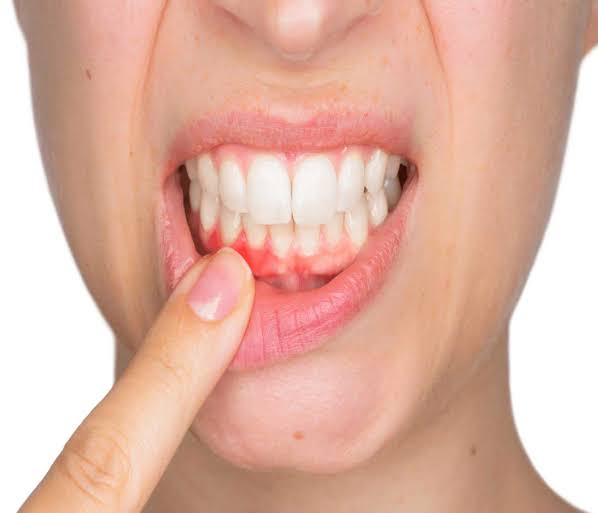
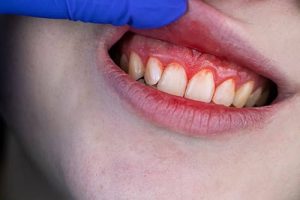
Gum disease, also known as periodontal disease, is a bacterial infection that affects the gums and supporting structures of the teeth. It typically begins as gingivitis, which causes redness, swelling, and bleeding gums. If left untreated, it can progress into periodontitis, a more severe form that leads to gum recession, bone loss, and eventual tooth loss.
The condition develops when plaque—a sticky film of bacteria—builds up along the gumline. If not removed through proper brushing and flossing, this plaque hardens into tartar, making it more difficult to clean and allowing bacteria to spread beneath the gums.
Why Early Intervention Matters
Early-stage gum disease is reversible with proper oral hygiene and professional cleaning. However, once it advances, the damage becomes more difficult to treat and may require intensive dental procedures. Stress can accelerate this progression by weakening the body’s natural defenses.
How Stress Affects the Body
The Physical Impact of Chronic Stress
Stress triggers the release of hormones such as cortisol and adrenaline. While these hormones are helpful in short bursts, chronic stress leads to prolonged hormonal imbalance that negatively affects multiple body systems, including the immune system.
When the immune system is weakened, the body becomes less effective at fighting bacterial infections, including those that affect the gums.
Inflammation and Immune Suppression
Long-term stress increases inflammation throughout the body. In the mouth, this can lead to increased gum sensitivity, swelling, and faster progression of gum disease. At the same time, immune suppression allows harmful bacteria in dental plaque to multiply more easily.
The Link Between Stress and Gum Disease
Weakened Immune Response
One of the most significant ways stress contributes to gum disease is by reducing immune efficiency. White blood cells play a critical role in controlling bacterial infections in the mouth. Under chronic stress, their function is impaired, allowing infections in the gums to develop and worsen more quickly.
Increased Inflammation in Gum Tissues
Stress increases the body’s inflammatory response. In the gums, this can result in heightened sensitivity, redness, and swelling. Even mild plaque buildup can trigger a stronger inflammatory reaction in stressed individuals, accelerating the progression of gum disease.
Delayed Healing
People under chronic stress often experience slower healing times. This means that even after dental treatment or minor gum irritation, recovery may take longer, increasing the risk of recurring infection.
Stress-Related Behaviors That Harm Oral Health
Poor Oral Hygiene Habits
During periods of high stress, people may neglect daily routines such as brushing and flossing. This leads to increased plaque buildup, which is the primary cause of gum disease. Over time, this neglect can significantly worsen oral health.
Teeth Grinding (Bruxism)
Stress is a major cause of teeth grinding or clenching, also known as bruxism. This condition places excessive pressure on teeth and gums, leading to gum recession, tooth sensitivity, and jaw pain. Over time, it can contribute to periodontal damage.
Unhealthy Coping Mechanisms
Stress may also lead to behaviors such as smoking, excessive alcohol consumption, or high sugar intake. These habits further increase the risk of gum disease by promoting bacterial growth and reducing the body’s ability to fight infection.
How Stress Impacts the Progression of Gum Disease
Faster Disease Development
In individuals already at risk of gum disease, stress can accelerate the transition from gingivitis to periodontitis. The combination of increased inflammation and weakened immune defense allows bacteria to spread more rapidly below the gumline.
More Severe Symptoms
Stress does not just increase the likelihood of gum disease—it can also make symptoms worse. Individuals may experience more bleeding gums, greater swelling, persistent bad breath, and increased discomfort compared to those who are not under chronic stress.
Reduced Effectiveness of Treatment
Even with professional dental care, stressed individuals may experience slower or less effective treatment outcomes. The body’s reduced ability to heal can make it more difficult to fully eliminate infection and restore gum health.
Signs That Stress May Be Affecting Your Oral Health
Early Warning Symptoms
If stress is impacting your oral health, you may notice:
Bleeding gums during brushing or flossing
Increased gum sensitivity
Dry mouth or reduced saliva flow
Frequent headaches or jaw pain
Advanced Symptoms
In more severe cases, stress-related gum disease may present as:
Gum recession
Loose teeth
Persistent bad breath
Difficulty chewing or discomfort when biting
Early recognition of these signs is essential for preventing long-term damage.
Preventing Gum Disease During Stressful Periods
Maintaining Consistent Oral Hygiene
Even during stressful times, maintaining a daily oral care routine is critical. Brushing twice a day with fluoride toothpaste and flossing once daily helps reduce plaque buildup and prevent inflammation.
Using Stress Management Techniques
Managing stress effectively can significantly improve oral health outcomes. Techniques such as exercise, meditation, deep breathing, and adequate sleep help reduce cortisol levels and support immune function.
Regular Dental Check-Ups
Routine dental visits are essential for early detection and prevention of gum disease. Professional cleanings remove tartar that cannot be eliminated at home and allow dentists to monitor gum health closely.
Professional Treatment Options for Stress-Related Gum Disease
Deep Cleaning Procedures
Scaling and root planing is a common treatment for early to moderate gum disease. It removes plaque and tartar from below the gumline and smooths tooth roots to promote healing.
Advanced Periodontal Treatments
In severe cases, surgical interventions may be necessary to restore gum and bone health. These treatments are more effective when combined with improved stress management and oral hygiene practices.
Lifestyle Changes to Support Oral and Mental Health
Healthy Diet Choices
A balanced diet rich in vitamins and minerals supports both mental and oral health. Foods high in vitamin C, calcium, and antioxidants help strengthen gum tissues and reduce inflammation.
Sleep and Recovery
Adequate sleep is essential for immune function and stress regulation. Poor sleep can worsen inflammation and increase susceptibility to gum disease.
Avoiding Harmful Habits
Reducing smoking, alcohol consumption, and excessive sugar intake can significantly improve gum health and reduce stress-related damage.
Conclusion: Managing Stress to Protect Your Oral Health
Stress is more than just a mental burden—it has real, measurable effects on the body, including the development and progression of Gum Disease. By weakening the immune system, increasing inflammation, and encouraging poor oral hygiene habits, stress can significantly worsen gum disease.
However, this relationship is not one-sided. By managing stress effectively, maintaining good oral hygiene, and seeking regular dental care, you can protect your gums and reduce the risk of long-term dental problems.
Understanding the connection between stress and oral health is the first step toward breaking the cycle and maintaining a healthier smile.