

Soft vs. Medium Toothbrush Heads: Which Is Better?
Choosing the right toothbrush head can make a big difference to your daily oral hygiene routine. With electric toothbrushes available with a wide range of replacement heads, one of the most common questions is whether you should choose a soft or medium toothbrush head.
Both options are designed to clean your teeth, but they can feel very different during brushing. The right choice depends on your brushing habits, comfort preferences and individual oral care needs.
If you are comparing soft vs. medium toothbrush heads, this guide explains the key differences, the potential benefits of each option and what to consider before buying your next electric toothbrush head.
What Is the Difference Between Soft and Medium Toothbrush Heads?
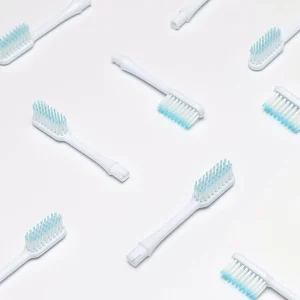
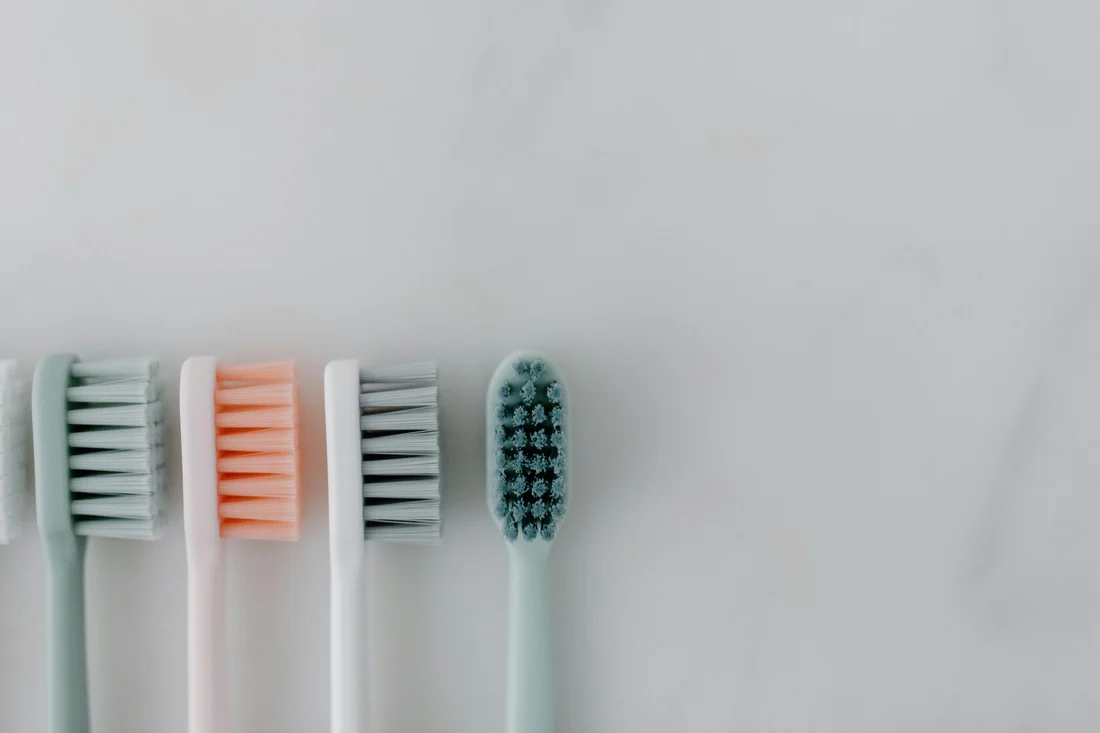
The main difference between soft and medium toothbrush heads is the firmness of the bristles. Soft toothbrush heads use more flexible bristles, while medium toothbrush heads have bristles that generally feel firmer during brushing.
This difference can affect how the toothbrush feels against your teeth and gums. A soft head may provide a gentler experience, while a medium head can feel more substantial when brushing.
However, a toothbrush head does not need to feel firm to clean effectively. Your brushing technique, consistency and the design of the toothbrush all play important roles in maintaining good oral hygiene.
Soft Toothbrush Heads
Soft toothbrush heads are designed with flexible bristles that can provide a gentler brushing experience. They are a popular choice for people who prefer a softer feel when brushing.
They can also be useful for people who experience sensitivity or gum discomfort, although anyone experiencing persistent pain or bleeding should speak with a dental professional rather than relying solely on a change in toothbrush head.
Medium Toothbrush Heads
Medium toothbrush heads have firmer bristles and can provide a different brushing sensation. Some people prefer this feeling because it can seem more substantial when cleaning.
However, brushing harder is not necessarily better. Applying excessive pressure with a medium toothbrush head can make brushing uncomfortable and may contribute to gum irritation or accelerated bristle wear.
Are Soft Toothbrush Heads Better?
For many people, soft toothbrush heads can be an excellent option for everyday brushing. Their flexible bristles can provide a comfortable experience while still allowing you to clean your teeth effectively when used correctly.
A softer toothbrush head can be particularly appealing if you tend to brush with significant pressure or find firmer bristles uncomfortable.
Benefits of Soft Toothbrush Heads
There are several reasons why people choose soft toothbrush heads:
They can provide a gentler brushing experience.
They are often comfortable around the gumline.
Flexible bristles can make brushing feel less harsh.
They can be suitable for people who prefer gentle brushing.
They can encourage users to focus on technique rather than pressure.
If comfort is one of your priorities when choosing the best toothbrush head, a soft option may be worth considering.
Are Medium Toothbrush Heads Better?
Medium toothbrush heads can appeal to people who prefer a firmer brushing sensation. However, a medium toothbrush head is not automatically more effective than a soft one.
Cleaning effectiveness depends on several factors, including how thoroughly you brush, how long you brush for, how you position the toothbrush and whether you clean all accessible tooth surfaces.
Benefits of Medium Toothbrush Heads
People who prefer medium toothbrush heads may appreciate their firmer feel during brushing. Some users may find that the bristles provide a more substantial sensation when cleaning.
However, comfort should remain a priority. If a medium toothbrush head feels harsh against your teeth or gums, switching to a softer option may make your routine more comfortable.
Soft vs. Medium Toothbrush Heads: Which Is Better?
There is no single answer to the question of whether soft or medium toothbrush heads are better for everyone.
For many people, a soft toothbrush head is a practical choice because it provides a gentle brushing experience and can be used effectively with appropriate technique.
A medium toothbrush head may be preferred by people who like a firmer feel, but it is important not to compensate for the increased firmness by brushing aggressively.
Ultimately, the best toothbrush head is one that is compatible with your electric toothbrush, comfortable to use and suitable for your individual needs.
Soft vs. Medium: A Quick Comparison
Soft toothbrush heads generally focus on comfort and flexibility, while medium toothbrush heads offer a firmer brushing sensation.
If you are unsure which option to choose, consider how your current toothbrush head feels. If your gums feel irritated or the bristles seem too firm, a softer option may be worth trying. If you strongly prefer a firmer brushing sensation and can use it without excessive pressure, a medium head may suit your preference.
Which Toothbrush Head Is Best for Sensitive Teeth?
People with sensitive teeth may prefer a softer toothbrush head because it can provide a gentler brushing experience.
However, toothbrush head firmness is only one possible factor behind tooth sensitivity. Sensitivity can have various causes, so changing your toothbrush head may not address the underlying issue.
Use Gentle Brushing Pressure
Regardless of whether you choose a soft or medium toothbrush head, avoid using excessive pressure. Pressing too hard can make brushing uncomfortable and can cause your bristles to wear out more quickly.
If your electric toothbrush includes a pressure sensor, use it as a guide to help develop a lighter brushing technique.
If sensitivity persists, consider speaking with your dentist about the best toothbrush and oral care routine for your needs.
Which Toothbrush Head Is Best for Gum Health?
Your toothbrush head can influence how comfortable it feels to clean around the gumline. A soft toothbrush head may be preferable for people who want a gentler experience around their gums.
However, gum health depends on much more than bristle firmness. Regular brushing, cleaning between your teeth and routine dental care are all important parts of maintaining healthy gums.
Don’t Brush Too Hard
One of the most important things to remember is that harder brushing does not necessarily mean cleaner teeth.
Allow your electric toothbrush to do the work while you guide it carefully around your mouth. Spending enough time cleaning all areas is generally more useful than applying excessive pressure.
Does a Medium Toothbrush Head Remove More Plaque?
It is easy to assume that firmer bristles must provide a deeper clean, but firmness alone does not determine how effectively a toothbrush removes plaque.
The design of the toothbrush head, the movement of the electric toothbrush, brushing technique and consistency all contribute to the overall cleaning experience.
A soft toothbrush head can still provide an effective clean when used properly. Therefore, you should not choose a medium toothbrush head simply because you believe it will automatically remove more plaque.
Can You Use Soft Toothbrush Heads on an Electric Toothbrush?
Yes, many electric toothbrush manufacturers offer replacement heads with soft bristles. However, compatibility varies between toothbrush models.
Before purchasing a soft or medium replacement head, check that it is specifically designed for your electric toothbrush.
Check Compatibility Before Buying
Different electric toothbrush systems can use different attachment mechanisms and head designs. Even if two toothbrush heads look similar, they may not be interchangeable.
Check the product packaging or manufacturer’s compatibility information before purchasing replacement toothbrush heads.
How Often Should You Replace a Soft or Medium Toothbrush Head?
Regardless of whether you choose soft or medium bristles, your toothbrush head should be replaced regularly.
Approximately three months is a useful general guideline for many people, but the condition of the bristles is also important. If the bristles become frayed, flattened, bent or visibly worn, replace the toothbrush head sooner.
Medium bristles may show noticeable wear if you use excessive pressure, while soft bristles can also become flattened and distorted with regular use.
Check Your Bristles Regularly
Take a quick look at your toothbrush head every few weeks. If it no longer resembles the original shape or the bristles have become significantly worn, it is likely time for a replacement.
Keeping spare replacement heads at home can make it easier to change them when needed.
Tips for Choosing the Best Toothbrush Head
When deciding between soft and medium toothbrush heads, think about your personal preferences rather than choosing based solely on marketing claims.
Consider the following factors:
How comfortable is the toothbrush head?
Do you tend to brush with excessive pressure?
Are your teeth or gums sensitive?
Do you prefer flexible or firmer bristles?
Is the toothbrush head compatible with your electric toothbrush?
Are replacement heads easy to purchase?
Does the head allow you to reach difficult areas?
These questions can help you find an option that fits your daily routine.
Soft vs. Medium Toothbrush Heads: The Final Verdict
So, soft vs. medium toothbrush heads: which is better? For many people, soft toothbrush heads are a comfortable and practical choice for everyday brushing. They can provide a gentler experience and encourage users to focus on proper technique rather than pressure.
Medium toothbrush heads may suit people who prefer a firmer brushing sensation, but they should still be used with gentle pressure.
There is no universally perfect toothbrush head. Your ideal choice depends on your electric toothbrush, personal preferences and oral care needs.
If you are unsure which toothbrush head is right for you, consider starting with a soft option and discussing your needs with your dentist, particularly if you experience sensitivity, gum irritation or discomfort.
Most importantly, remember that the best toothbrush head is only one part of a good oral hygiene routine. Consistent brushing, gentle technique, cleaning between your teeth and regular dental check-ups all work together to support healthy teeth and gums.