


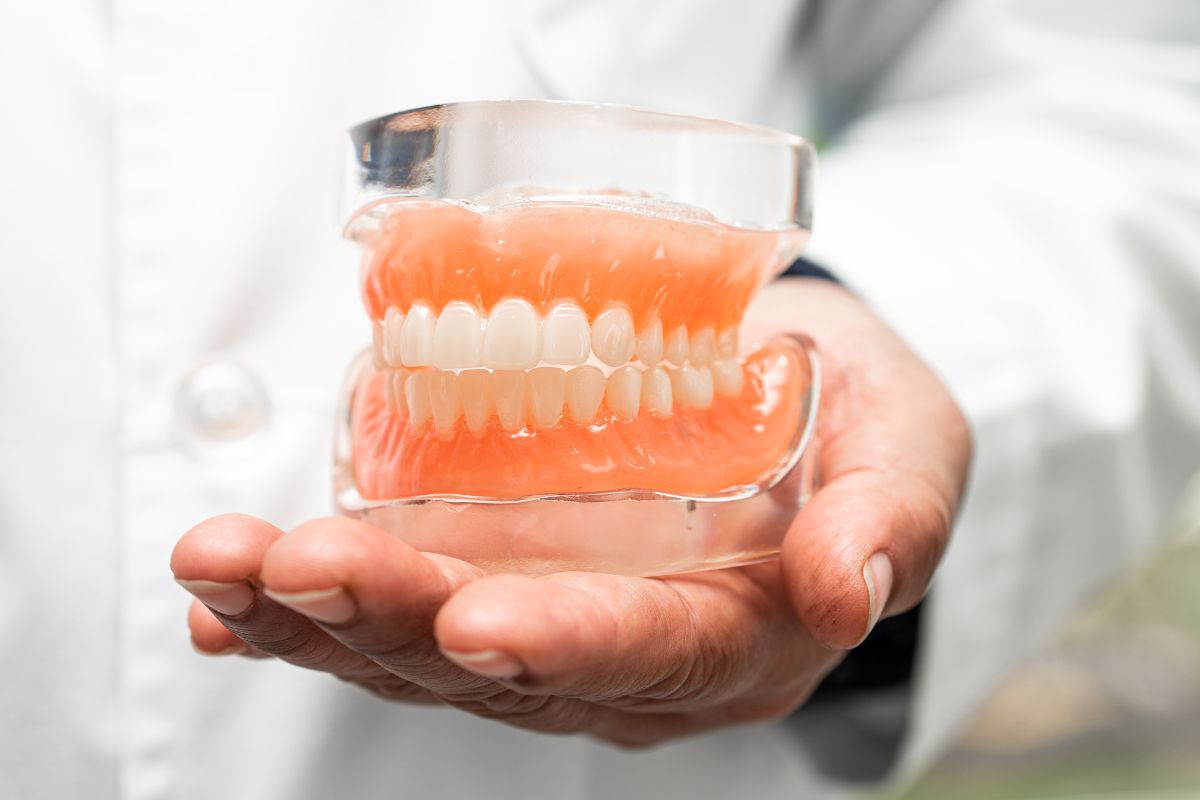
Laugh, Eat, and Talk: Living Fully with Dentures
Dentures are more than a dental appliance—they are a gateway to regaining confidence, comfort, and a fully functional lifestyle after tooth loss. While many people initially worry about how dentures will affect eating, speaking, and social interactions, the truth is that with proper care, practice, and patience, dentures allow you to enjoy life fully.
In this guide, we’ll explore practical tips for laughing, eating, and talking confidently with dentures, helping you embrace your new smile and lifestyle.
Getting Comfortable with Your Dentures
The Adjustment Period
When you first receive dentures, your mouth may feel unusual or bulky. Increased saliva, minor soreness, and difficulty speaking are common during the initial adjustment period. Understanding that these experiences are temporary helps you remain patient while your mouth adapts.
Ensuring a Proper Fit
A well-fitting denture is essential for comfort and function. Your dentist may make adjustments after the first few weeks to eliminate sore spots, improve stability, and enhance your overall experience. Regular dental visits help maintain optimal fit over time.
Embracing the Change Emotionally
Tooth loss and denture use can bring emotional challenges. Focusing on the benefits—restored function, improved appearance, and renewed confidence—can help you embrace your dentures with a positive mindset.

Eating with Dentures
Start with Soft Foods
In the early days, eat soft foods such as mashed potatoes, soups, yogurt, and scrambled eggs. Soft foods reduce discomfort and make it easier to get accustomed to chewing with dentures.
Chewing Tips
Chew slowly and evenly on both sides of the mouth to maintain balance.
Take small bites to avoid dislodging dentures.
Avoid biting hard foods with front teeth initially—use molars for chewing.
Gradually Introduce Firmer Foods
As you gain confidence, slowly reintroduce firmer or more textured foods. Cutting food into smaller pieces helps reduce strain and ensures a smoother transition. Avoid sticky or very hard foods until you are fully comfortable.
Speaking Confidently with Dentures
Adjusting to Speech Changes
Dentures can affect pronunciation, particularly for sounds like “s,” “f,” and “th.” At first, speaking may feel awkward, but with practice, you can regain clarity.
Practice Techniques
Read aloud in front of a mirror to monitor your mouth movements.
Record yourself to identify tricky words and track improvement.
Engage in small conversations in comfortable settings before larger social interactions.
Boosting Social Confidence
Many people feel self-conscious speaking with dentures initially. Remember, most people will not notice small adjustments, and consistent practice helps make speech feel natural and effortless.
Laughing with Confidence
Overcoming Self-Consciousness
Laughing freely may feel intimidating at first, especially if you’ve experienced tooth loss. Focus on your restored smile and remember that modern dentures are designed to look natural.
Practice in Private
Smile and laugh in front of a mirror or with trusted friends. Gradually, these actions help you regain confidence in public settings.
Celebrate Your Smile
Dentures allow you to fully express yourself. Enjoy social interactions, laugh at jokes, and take photos without fear—these moments reinforce emotional and social well-being.
Daily Denture Care for Comfort and Longevity
Cleaning Your Dentures
Daily cleaning is essential to prevent odor, bacteria buildup, and gum irritation. Use a soft-bristled denture brush with a non-abrasive cleaner, avoiding regular toothpaste which can scratch the surface.
Soaking Overnight
Dentures should be soaked in water or a denture-cleaning solution overnight to maintain shape and prevent warping. Dry dentures can become uncomfortable and affect fit.
Maintaining Oral Health
Even without natural teeth, clean your gums, tongue, and palate daily. This prevents irritation and ensures overall oral hygiene, supporting long-term comfort and confidence.
Managing Common Denture Challenges
Sore Spots and Slippage
Minor soreness and shifting are normal during the initial period. Saltwater rinses, gentle cleaning, and denture adhesives can help relieve discomfort. Persistent issues should be addressed by your dentist.
Regular Adjustments
Over time, changes in your gums or bone structure may require adjustments. Routine dental visits ensure a proper fit and long-term comfort, allowing you to laugh, eat, and speak without worry.
Adapting Lifestyle Habits
Eating slowly, cutting food into smaller pieces, practicing speech, and following a consistent cleaning routine helps integrate dentures seamlessly into daily life. Over time, these habits become second nature.
Embracing Life Fully with Dentures
Restoring Function and Enjoyment
Dentures restore the ability to eat a wide variety of foods, speak clearly, and smile naturally. Regaining these functions improves both physical and emotional well-being.
Boosting Confidence and Social Life
With practice and care, dentures allow you to participate fully in social interactions. Smiling, talking, and laughing with confidence enhances relationships and overall quality of life.
Empowerment Through Self-Care
Caring for your dentures daily fosters independence and self-assurance. By maintaining oral hygiene and practicing functional skills, you reclaim control over your health and appearance.
Conclusion
Living fully with dentures means more than wearing them—it means embracing a lifestyle where you can laugh, eat, and talk confidently. By following best practices for denture care, practicing speech and chewing, and gradually rebuilding social confidence, dentures can restore not only oral function but also emotional well-being.
With patience, persistence, and proper guidance from dental professionals, dentures become a tool for empowerment, helping you enjoy life, relationships, and daily experiences to the fullest.