


How Dental Crowns Restore Damaged Teeth and Improve Oral Health
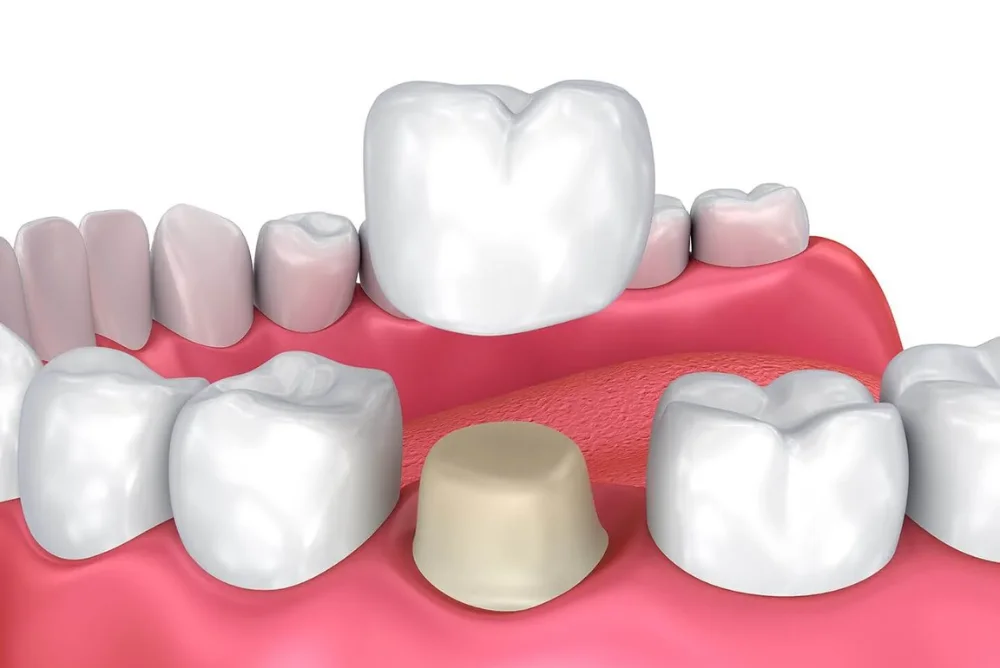
Dental crowns, also known as tooth caps, are one of the most effective restorative treatments in modern dentistry. They are designed to restore damaged teeth, strengthen weakened structures, and improve overall oral health. When a tooth becomes too compromised for a filling or other simple restoration, a crown provides full coverage protection that allows it to function like a natural tooth again.
This article explains how dental crowns work, how they restore damaged teeth, and why they play an important role in long-term oral health. You will also learn about the procedure, benefits, types of crowns, and aftercare considerations.
What Are Dental Crowns?
A dental crown is a custom-made cap that covers the entire visible portion of a tooth above the gum line. It is permanently cemented in place to restore the tooth’s shape, strength, and appearance.
Crowns are commonly used when a tooth is too weak or damaged to support a filling. They are designed to look and function like natural teeth, making them both a restorative and cosmetic solution.
Main Purpose of a Dental Crown
The main goal of a crown is to protect and restore a compromised tooth. It helps:
Reinforce weakened tooth structure
Restore chewing and biting ability
Prevent further decay or fracture
Improve the appearance of damaged teeth
Support teeth after root canal treatment
By fully enclosing the tooth, a crown acts as a protective shield against future damage.
How Dental Crowns Restore Damaged Teeth
Dental crowns restore teeth by replacing lost structure and reinforcing what remains. When a tooth is damaged, it loses strength and becomes more vulnerable to breaking or infection. A crown rebuilds this structure externally.
Rebuilding Tooth Structure
If a tooth is fractured or has a large cavity, a significant portion of its structure may be missing. A crown is shaped to replicate the original tooth, restoring its full form and allowing it to function normally again.
This reconstruction ensures that pressure from biting and chewing is evenly distributed.
Strengthening Weak Teeth
Weak teeth are prone to cracking under normal chewing forces. Crowns wrap around the entire tooth, holding it together and preventing further structural failure.
This is especially important for teeth that have undergone root canal treatment or have large fillings.
Protecting Against Further Decay
Once a crown is cemented, it seals the tooth completely. This barrier helps prevent bacteria from entering and reduces the risk of additional decay.
By covering exposed areas, crowns reduce sensitivity and protect the internal tooth structure.
Restoring Bite Function
Damaged teeth can make chewing painful or difficult. A crown restores proper alignment and bite balance, allowing patients to eat comfortably again.
Proper bite function also prevents strain on surrounding teeth and jaw muscles.
When Are Dental Crowns Needed?
Dentists recommend crowns in several situations where a tooth cannot be repaired with simpler treatments.
Severe Tooth Decay
When decay is too extensive for a filling, a crown is used to restore the tooth’s structure and prevent further deterioration.
Cracked or Broken Teeth
Crowns hold cracked teeth together and stop fractures from spreading deeper into the tooth.
After Root Canal Treatment
Root canal-treated teeth are more fragile, and crowns protect them from breaking during normal use.
Worn Down Teeth
Teeth affected by grinding (bruxism), acid erosion, or age-related wear can be rebuilt using crowns.
Cosmetic Improvement
Crowns also improve appearance for discoloured, misshapen, or uneven teeth.
Types of Dental Crowns
There are several materials used for dental crowns, each offering different benefits depending on strength, appearance, and cost.
Porcelain Crowns
Porcelain crowns are highly aesthetic and blend naturally with surrounding teeth.
Benefits include:
Natural appearance
Ideal for front teeth
Metal-free composition
They are less suitable for heavy chewing areas.
Zirconia Crowns
Zirconia crowns are extremely strong and durable, making them suitable for both front and back teeth.
Benefits include:
High strength and durability
Resistance to chipping
Natural-looking finish
They are ideal for patients who need long-lasting restoration.
Porcelain-Fused-to-Metal (PFM) Crowns
PFM crowns combine a metal base with a porcelain outer layer.
Benefits include:
Strong internal structure
Good aesthetics
Versatile use for most teeth
A drawback is that metal edges may become visible over time.
Metal Crowns
Metal crowns are made from alloys like gold or other durable metals.
Benefits include:
Long-lasting durability
Minimal wear on opposing teeth
Ideal for back molars
They are less commonly used for visible teeth due to appearance.
The Dental Crown Procedure
Getting a dental crown typically involves two visits, although same-day options are available in some clinics.
Step 1: Examination and Tooth Preparation
The dentist examines the tooth using X-rays and removes damaged or decayed areas. The tooth is then reshaped to make room for the crown.
If necessary, a filling material is used to rebuild the tooth structure before shaping.
Step 2: Impressions or Digital Scanning
A mold or digital scan is taken to create a precise model of the tooth. This ensures the crown fits accurately and aligns with your bite.
Step 3: Temporary Crown
A temporary crown is placed to protect the tooth while the permanent crown is being manufactured in a dental laboratory.
Step 4: Permanent Crown Placement
The final crown is fitted, adjusted for comfort, and permanently cemented in place once proper alignment is confirmed.
How Dental Crowns Improve Oral Health
Crowns do more than restore individual teeth—they contribute to overall oral health.
Preventing Tooth Loss
By strengthening damaged teeth, crowns help prevent extractions and preserve natural tooth structure.
Improving Bite Alignment
Restored teeth ensure proper bite distribution, reducing strain on surrounding teeth and jaw joints.
Reducing Risk of Infection
Sealing damaged teeth prevents bacteria from entering, reducing the risk of infections and abscesses.
Supporting Long-Term Dental Stability
Crowns help maintain alignment and spacing, preventing shifting of adjacent teeth.
Benefits of Dental Crowns
Dental crowns offer several key advantages:
Restore damaged teeth effectively
Improve chewing and speech function
Enhance smile aesthetics
Provide long-term durability
Protect against further dental issues
They are one of the most reliable restorative treatments available in dentistry.
How Long Do Dental Crowns Last?
The lifespan of a crown depends on material and oral care habits:
Porcelain: 10–15 years
PFM: 10–20 years
Zirconia: 15–25 years
Metal: 20+ years
Regular dental visits and good hygiene can extend their lifespan significantly.
How to Care for Dental Crowns
Proper maintenance ensures crowns remain functional and durable.
Maintain Good Oral Hygiene
Brush twice daily and floss carefully around the crown to prevent plaque buildup.
Avoid Hard Foods
Avoid biting hard objects like ice or hard sweets that can damage the crown.
Regular Dental Check-Ups
Routine dental visits help ensure the crown remains secure and the surrounding teeth stay healthy.
Protect Against Grinding
If you grind your teeth, a night guard can help protect your crown from excessive force.
Conclusion
Dental crowns play a vital role in restoring damaged teeth and improving overall oral health. By fully covering and protecting weakened teeth, they restore strength, function, and appearance while preventing further damage.
Whether used for decay, fractures, wear, or cosmetic improvements, crowns offer a long-lasting and reliable solution. With proper care and regular dental visits, they can significantly enhance both oral health and quality of life.