


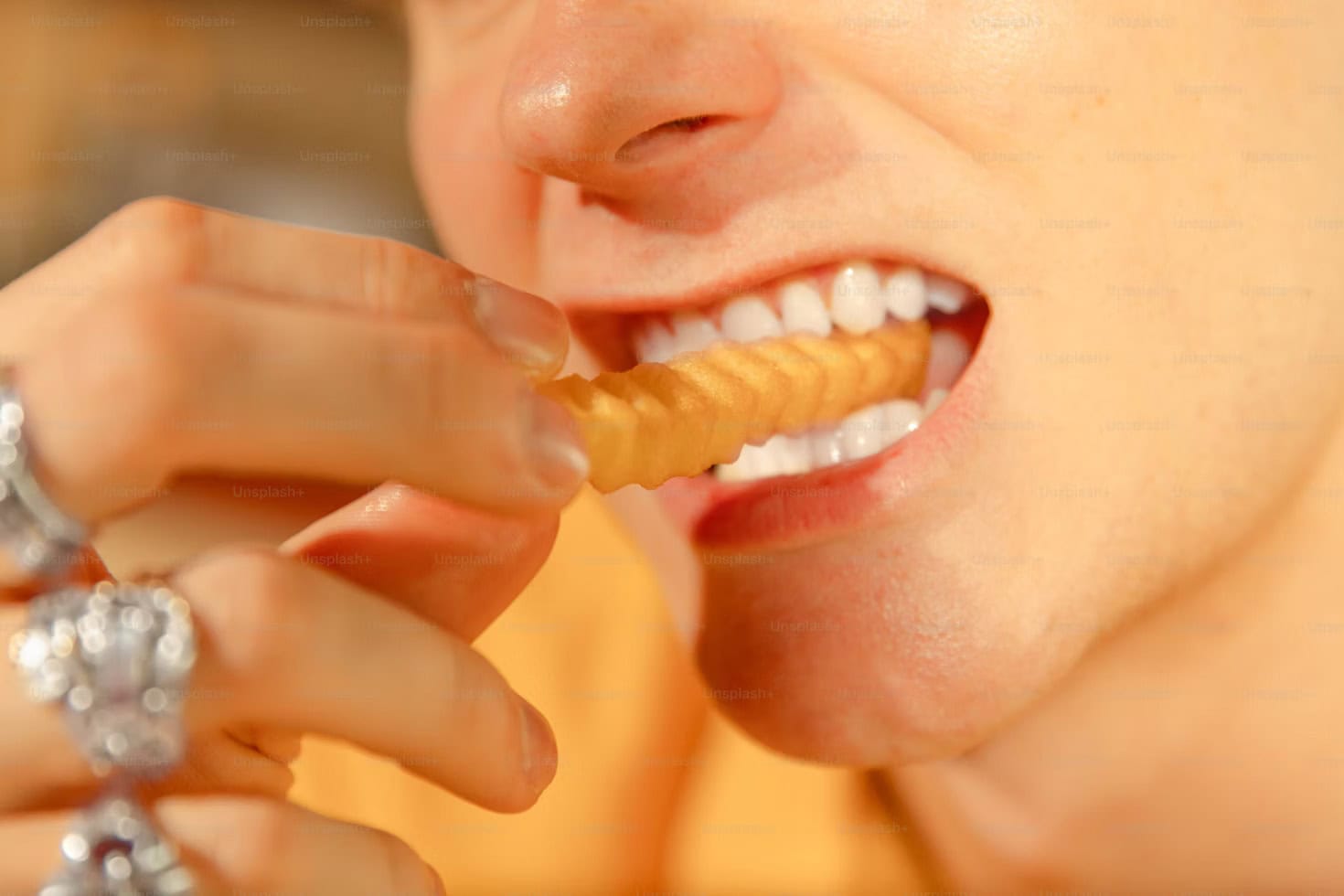
Eating, Speaking, and Smiling with Dentures: What to Expect
Adjusting to dentures is a major milestone for anyone who has experienced tooth loss. Dentures can restore your ability to eat, speak, and smile confidently, but the transition requires patience, care, and knowledge. Understanding what to expect during this period can make the experience smoother and more comfortable.
In this article, we’ll cover essential tips and guidance for eating, speaking, and smiling with dentures, helping new denture wearers regain confidence and functionality.
Getting Started with Dentures
Understanding Dentures
Dentures are removable dental appliances designed to replace missing teeth and restore oral function. They come in various types, including full dentures, partial dentures, and implant-supported dentures. Modern dentures are designed to look natural, fit comfortably, and support facial structure, preventing the sunken appearance often associated with tooth loss.
The Adjustment Period
When you first receive dentures, your mouth needs time to adapt. Common experiences during this adjustment phase include:
Increased saliva production
Mild discomfort or soreness
Difficulty speaking or pronouncing certain words
A feeling of bulkiness in the mouth
Understanding that these issues are normal can help you remain patient while your mouth adjusts.
Eating with Dentures
Start with Soft Foods
In the first few weeks, it’s best to eat soft foods such as yogurt, mashed potatoes, scrambled eggs, and soups. Soft foods minimize discomfort and allow you to practice chewing without risking denture displacement.
Chew Slowly and Evenly
Chewing evenly on both sides of the mouth helps prevent dentures from tipping. Start with small bites, take your time, and gradually increase the variety and texture of foods as you become more comfortable.
Avoid Sticky or Hard Foods
Sticky foods like caramel or gum can dislodge dentures, while hard foods such as nuts or raw carrots may cause discomfort. Focus on tender foods during the adjustment period.
Cut Food into Smaller Pieces
Cutting food into bite-sized pieces makes chewing easier and reduces pressure on the gums. This technique helps prevent soreness and ensures that dentures remain stable during meals.

Speaking with Dentures
Practice Makes Perfect
Speaking clearly with dentures can take practice. Start by reading aloud daily, focusing on sounds that feel awkward, like “s” or “f.” Over time, your tongue and lips will adapt to the new dental appliance, improving pronunciation and clarity.
Start Slowly
Don’t rush conversations during the first few weeks. Speak slowly and enunciate each word. This not only helps you adjust but also prevents dentures from slipping while talking.
Use Mirror Exercises
Practicing speech in front of a mirror helps you observe mouth movements and adjust as needed. This technique can significantly improve confidence when speaking in public or social settings.
Smiling and Confidence with Dentures
Regaining a Natural Smile
Modern dentures are crafted to look natural, blending seamlessly with your facial features. Once you adjust, smiling becomes comfortable and natural, restoring the confidence that tooth loss may have affected.
Dealing with Self-Consciousness
It’s common to feel self-conscious initially. Remember that most people will not notice your dentures. Practicing smiling in front of a mirror, taking selfies, and engaging socially can help rebuild confidence.
Social Tips for Denture Wearers
Avoid sticky foods during social meals initially.
Take smaller bites to prevent discomfort or slippage.
Use denture adhesive if needed for added stability.
Maintain regular dental check-ups to ensure a proper fit.
Denture Care for Long-Term Comfort
Daily Cleaning Routine
Cleaning dentures daily is essential to prevent bacteria buildup, bad odors, and oral infections. Use a soft-bristled denture brush with a non-abrasive cleaner, and avoid regular toothpaste, which can scratch the denture surface.
Overnight Soaking
Soak dentures overnight in a denture-cleaning solution or water to keep them moist and prevent warping. Dry dentures can lose their shape, affecting fit and comfort.
Oral Hygiene Without Teeth
Even without natural teeth, clean your gums, tongue, and roof of the mouth daily. This practice helps prevent irritation, infection, and keeps your mouth healthy.
Managing Common Denture Challenges
Sore Spots and Irritation
Minor soreness is normal in the first few weeks. Saltwater rinses and gentle cleaning can help relieve discomfort. If soreness persists, consult your dentist for adjustments.
Denture Slippage
Dentures may occasionally shift during eating or speaking. Using adhesives sparingly or having a professional adjustment can prevent slippage and improve comfort.
Routine Dental Visits
Regular dental check-ups ensure that dentures continue to fit properly and allow your dentist to address any issues before they become problematic. Adjustments may be needed over time due to changes in your gums and bone structure.
Conclusion
Adjusting to dentures involves patience, practice, and proper care. Understanding what to expect when eating, speaking, and smiling with dentures can make the transition smoother and more enjoyable.
By starting with soft foods, practicing speech, maintaining oral hygiene, and embracing your new smile, you can regain confidence and functionality. Dentures not only restore your teeth but also improve your quality of life, allowing you to enjoy meals, conversations, and social interactions with ease.
With the right mindset and consistent care, dentures can help you smile confidently and live comfortably every day.