

Can Plaque Cause Bad Breath?
Bad breath, also known as halitosis, is a common oral health concern that can affect anyone. While foods, dry mouth, and certain health conditions can contribute to unpleasant breath, plaque on your teeth is also a common cause. Understanding the connection between dental plaque and bad breath can help you identify the cause and take effective steps to improve your oral hygiene.
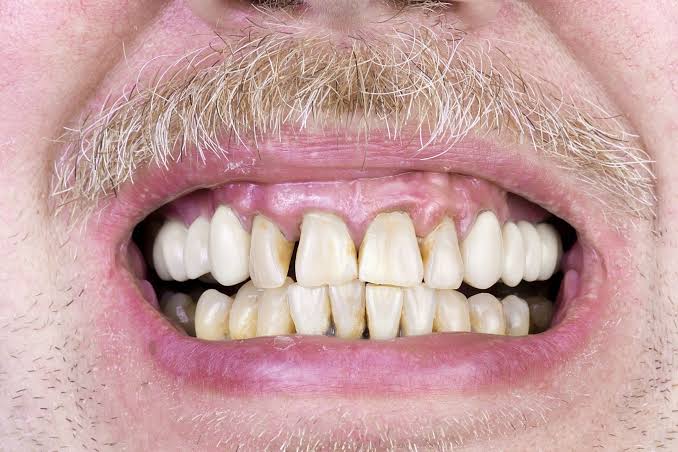
Plaque is a sticky film of bacteria that constantly forms on your teeth and along your gumline. When plaque is not removed effectively, the bacteria within it can produce unpleasant-smelling compounds. Over time, plaque buildup can also contribute to gum problems, tooth decay, and other conditions that may cause persistent bad breath.
What Is Dental Plaque?
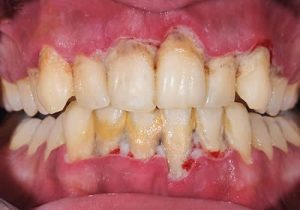
Dental plaque is a soft, sticky film that forms on your teeth when bacteria in your mouth interact with saliva and food particles. Plaque can develop on the front and back of your teeth, between teeth, and around the gumline.
Everyone develops plaque, so the goal is not to prevent it from forming completely. Instead, good oral hygiene helps remove plaque regularly before it can cause problems.
When plaque remains on your teeth for an extended period, it can contribute to tooth decay and gum inflammation. It can also provide an environment where odor-producing bacteria thrive.
Can Plaque Cause Bad Breath?
Yes, plaque can contribute to bad breath. Plaque contains bacteria, and some oral bacteria can produce volatile sulfur compounds that have unpleasant odors.
These bacteria can accumulate on teeth, around the gums, between teeth, and on the tongue. If plaque is not removed regularly, the number of odor-producing bacteria can increase, potentially making bad breath more noticeable.
However, plaque is not the only possible cause of bad breath. Persistent halitosis can have several causes, so identifying the underlying problem is important if improving your oral hygiene does not resolve it.
How Does Plaque Cause Bad Breath?
Understanding how plaque contributes to bad breath starts with the bacteria living naturally in your mouth.
Bacteria Break Down Food Particles
Bacteria in plaque can interact with leftover food particles and other substances in the mouth. During this process, some bacteria produce compounds that can have unpleasant odors.
Food trapped between teeth or around the gumline can provide additional material for bacteria to break down.
Odor-Producing Compounds Develop
Certain oral bacteria produce volatile sulfur compounds. These compounds are associated with the characteristic unpleasant smell often described as bad breath.
The more bacteria and debris that accumulate in certain areas of the mouth, the greater the potential for unpleasant odors.
Plaque Can Affect Your Gums
Plaque buildup around the gumline can irritate the gums and contribute to gingivitis. If gum disease develops or progresses, inflammation and infection can contribute to persistent bad breath.
For this reason, bad breath can sometimes be a sign that your gums need attention.
Other Common Causes of Bad Breath
Although plaque can cause bad breath, there are many other possible causes.
Food and Drinks
Certain foods and beverages can temporarily change the smell of your breath. Garlic, onions, strong spices, coffee, and some other foods can produce noticeable odors.
These odors usually improve as the substances leave your system and your mouth returns to its normal state.
Dry Mouth
Saliva helps clean the mouth and remove food particles. When saliva production decreases, bacteria and debris can accumulate more easily.
Dry mouth can be caused by dehydration, certain medications, mouth breathing, or other factors. People experiencing persistent dry mouth should discuss it with a dental or healthcare professional.
Tongue Bacteria
The surface of the tongue contains many small structures where bacteria and debris can accumulate. This can contribute to bad breath even when the teeth appear clean.
Gently cleaning the tongue can therefore be a useful addition to a daily oral hygiene routine.
Gum Disease
Gum disease is another important potential cause of persistent bad breath. Plaque can irritate the gums, causing gingivitis. Without appropriate care, gum disease can become more serious and affect the tissues supporting the teeth.
If you experience ongoing bad breath along with swollen, red, tender, or bleeding gums, arrange a dental examination.
Signs That Plaque May Be Contributing to Bad Breath
You may have plaque buildup if your teeth frequently feel sticky or fuzzy, particularly several hours after brushing. You may also notice visible deposits along the gumline or between your teeth.
Other signs can include:
Persistent bad breath
Red or swollen gums
Gums that bleed when brushing or flossing
A bad taste in your mouth
Visible plaque or tartar
Increased food accumulation between teeth
These symptoms do not necessarily mean plaque is the only cause of your bad breath. A dental professional can examine your teeth and gums and help determine the likely cause.
How to Prevent Plaque-Related Bad Breath
The best way to reduce plaque-related bad breath is to maintain consistent oral hygiene.
Brush Your Teeth Twice a Day
Brush your teeth twice a day using fluoride toothpaste. Carefully clean the front, back, and chewing surfaces of your teeth.
Pay particular attention to the gumline, where plaque can accumulate. A soft-bristled toothbrush can help clean effectively without unnecessarily irritating your gums.
Clean Between Your Teeth
Brushing alone does not effectively clean every surface between your teeth. Flossing or using another appropriate interdental cleaning method once a day can help remove plaque and food debris from these areas.
This is particularly important if food frequently becomes trapped between your teeth.
Clean Your Tongue
Gently cleaning your tongue can help remove bacteria and debris that may contribute to unpleasant breath.
You can use your toothbrush or a tongue cleaner, depending on your preference. Avoid scrubbing aggressively, as the tongue can be sensitive.
Drink Plenty of Water
Staying hydrated supports normal saliva production. Drinking water throughout the day can also help rinse away some food particles and debris.
If you regularly experience a dry mouth despite adequate fluid intake, speak with your dentist or healthcare professional.
Use Mouthwash When Appropriate
Some therapeutic mouthwashes can help reduce bacteria and plaque. However, mouthwash should complement rather than replace brushing and cleaning between your teeth.
If bad breath persists, simply using a breath-freshening mouthwash may mask the odor without addressing its underlying cause.
Can Professional Teeth Cleaning Help Bad Breath?
Professional dental cleaning can help when plaque and tartar buildup contributes to bad breath.
A dental hygienist or dentist can use specialized instruments to remove hardened tartar from tooth surfaces. Professional cleaning can also help remove deposits in areas that are difficult to clean thoroughly at home.
If gum disease is contributing to bad breath, your dental professional can assess the condition of your gums and recommend appropriate treatment.
Can Tartar Cause Bad Breath?
Tartar, also called dental calculus, forms when plaque hardens and becomes mineralized. Unlike soft plaque, tartar cannot be effectively removed with ordinary brushing.
Tartar can create rough surfaces where additional plaque and bacteria accumulate. This can contribute to gum irritation and potentially make bad breath more difficult to manage.
Professional dental cleaning is required to remove hardened tartar safely.
When Should You See a Dentist About Bad Breath?
Occasional bad breath is common and may simply be related to something you have eaten or temporary changes in your mouth. However, persistent bad breath should not be ignored.
Consider speaking with a dentist if your bad breath continues despite regular brushing and cleaning between your teeth. You should also arrange an appointment if you have bleeding gums, swelling, tooth pain, loose teeth, persistent dry mouth, or visible tartar.
A dental examination can help identify whether plaque, gum disease, tooth decay, or another oral health problem is responsible.
Frequently Asked Questions About Plaque and Bad Breath
Does brushing remove plaque that causes bad breath?
Brushing helps remove plaque from accessible tooth surfaces and can reduce bacteria that contribute to bad breath. However, brushing should be combined with daily cleaning between your teeth and regular dental care.
Can flossing improve bad breath?
Yes. Flossing can remove plaque and trapped food from between teeth. If these areas are contributing to unpleasant odors, cleaning between your teeth regularly may help improve your breath.
Can bad breath be a sign of gum disease?
Yes. Persistent bad breath can be associated with gum disease, particularly when accompanied by red, swollen, tender, or bleeding gums. A dental examination can help determine the cause.
Can mouthwash permanently cure bad breath?
Mouthwash may temporarily freshen breath and some therapeutic products can help reduce bacteria. However, persistent bad breath requires identifying and treating the underlying cause rather than simply masking the odor.
Final Thoughts on Plaque and Bad Breath
So, can plaque cause bad breath? Yes. Plaque contains bacteria that can produce unpleasant-smelling compounds, and plaque buildup can also contribute to gum inflammation and other oral health problems associated with bad breath.
The best way to prevent plaque-related bad breath is to maintain a consistent oral hygiene routine. Brush your teeth twice a day with fluoride toothpaste, clean between your teeth daily, gently clean your tongue, drink plenty of water, and attend regular dental appointments.
If bad breath continues despite good oral hygiene, do not simply cover it up with breath mints or mouthwash. Persistent halitosis can sometimes indicate an underlying dental problem that needs professional attention.
Keeping plaque under control is an important part of maintaining fresh breath, healthy gums, and a cleaner, healthier mouth.