

How to Make Brushing Fun for Kids: 10 Tips to Encourage Healthy Dental Habits
Getting children to brush their teeth twice a day can sometimes feel like a daily battle for parents. Whether your child refuses to pick up their toothbrush, rushes through brushing or simply finds the whole process boring, encouraging good dental hygiene habits can be challenging.
However, teaching children to enjoy brushing their teeth doesn’t have to be difficult. With a little creativity, patience and consistency, you can turn daily dental care into an enjoyable activity that your child looks forward to.
Establishing positive brushing habits from an early age is essential for preventing tooth decay, protecting developing teeth and encouraging lifelong oral health.
In this guide, we’ll explore 10 practical ways to make brushing fun for kids, encourage better dental hygiene and help parents create a healthy daily routine for the whole family.
Why Is It Important to Make Brushing Fun for Kids?
Children who develop positive dental hygiene habits early are more likely to maintain those habits as they grow older.
Brushing twice a day with fluoride toothpaste helps remove plaque, protect tooth enamel and reduce the risk of cavities.
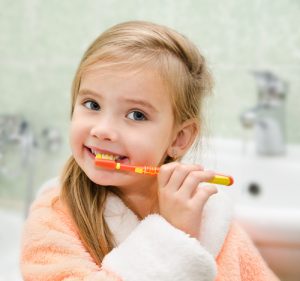
Making brushing enjoyable also helps children understand that looking after their teeth is a normal and important part of everyday life.
Prevent Tooth Decay and Cavities
Baby teeth are important for chewing, speech development and maintaining space for permanent adult teeth.
Without proper brushing, plaque can accumulate on tooth surfaces and contribute to tooth decay.
Encouraging children to brush regularly helps protect their baby teeth and supports healthy dental development.
Build Lifelong Dental Hygiene Habits
Children learn many everyday behaviours by repeating activities and observing their parents.
When brushing becomes a fun and consistent part of their routine, children are more likely to develop positive attitudes towards oral health.
10 Fun Ways to Encourage Kids to Brush Their Teeth
If your child struggles with brushing, try introducing activities that make dental care more exciting.
Here are 10 simple ideas parents can use to encourage better brushing habits.
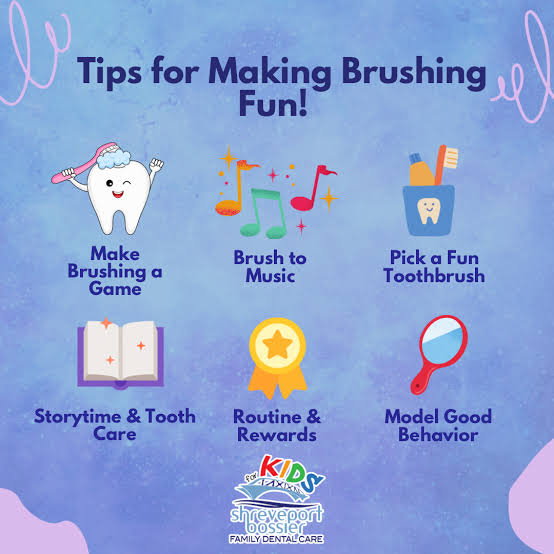
1. Let Your Child Choose Their Own Toothbrush
Giving children some control over their dental hygiene routine can make a big difference.
Take your child shopping and let them choose a toothbrush featuring their favourite colours, characters or designs.
A toothbrush with a familiar cartoon character or fun pattern can make brushing feel more personal and exciting.
Just remember to choose a soft-bristled toothbrush that is suitable for your child’s age and mouth size.
2. Play Their Favourite Song While Brushing
One common reason children rush through brushing is that they find standing still for two minutes boring.
Playing their favourite song can make the experience more enjoyable while helping them understand how long they need to brush.
Choose a song that lasts approximately two minutes or use a children’s toothbrushing song.
You can even encourage your child to dance gently while brushing, as long as they continue cleaning their teeth properly.
3. Use a Brushing Timer or App
Technology can be a helpful tool for encouraging children to develop better dental hygiene habits.
A colourful brushing timer or child-friendly toothbrushing app can turn brushing into an interactive activity.
Some apps include animated characters, games and progress rewards that encourage children to brush for the recommended amount of time.
These tools can help children stay engaged while learning the importance of brushing every tooth.
4. Create a Reward Chart
Children often respond positively to encouragement and rewards.
Create a simple weekly brushing chart and allow your child to place a sticker each time they complete their morning and evening brushing routine.
Once they reach a particular milestone, celebrate their progress with a non-food reward, such as choosing a family game, visiting a playground or picking a bedtime story.
The goal is to encourage consistency rather than perfection.
5. Brush Your Teeth Together as a Family
One of the easiest ways to encourage children to brush is by leading by example.
Make brushing a family activity by standing together in front of the bathroom mirror every morning and evening.
Children naturally enjoy copying their parents, so seeing everyone brush their teeth can make the activity feel more normal and enjoyable.
It also gives parents an opportunity to demonstrate proper brushing techniques.
6. Turn Brushing Into a Game
Games are a great way to make dental hygiene more exciting for younger children.
For example, you could pretend that your child’s toothbrush is a superhero fighting harmful plaque monsters.
Encourage them to clean every tooth to defeat the monsters and keep their smile healthy.
You could also challenge them to find all the different surfaces of their teeth that need brushing.
Just make sure the game encourages thorough brushing rather than rushing through the activity.
7. Read Books About Dental Hygiene
Children’s books can help explain why brushing teeth is important in a way that is easy to understand.
Choose colourful picture books featuring characters who visit the dentist, brush their teeth or learn about healthy smiles.
Reading together before bedtime can also help reinforce the importance of brushing as part of their nightly routine.
8. Use a Fun Toothpaste Flavour
The taste of toothpaste can influence how much children enjoy brushing.
Some children dislike strong mint flavours, so choosing an age-appropriate children’s fluoride toothpaste with a milder flavour may make brushing more appealing.
Allow your child to help choose a suitable toothpaste, but always check that it contains the appropriate fluoride concentration for their age.
Avoid using adult toothpaste for young children unless recommended by a dental professional.
9. Introduce a Toothbrushing Calendar
A toothbrushing calendar is another simple way to encourage children to take responsibility for their dental hygiene.
Create a colourful calendar and let your child mark each morning and evening brushing session.
Seeing their progress throughout the week can provide a sense of achievement and encourage them to maintain their routine.
You can also use the calendar to track dental appointments and other healthy habits.
10. Celebrate Their Progress and Offer Positive Encouragement
Children respond well to praise, particularly when they are learning something new.
Celebrate small achievements, such as remembering to brush without being reminded or improving their brushing technique.
Avoid criticising your child if they forget or struggle with brushing. Instead, offer gentle reminders and encouragement.
A positive approach helps children associate dental hygiene with confidence rather than frustration.
How Long Should Kids Brush Their Teeth?
Children should brush their teeth for approximately two minutes, twice a day.
Morning and evening brushing helps remove plaque and food particles while protecting teeth against decay.
The Importance of Brushing Before Bed
Night-time brushing is particularly important because it removes plaque and food debris that have accumulated throughout the day.
After brushing, children should avoid eating or drinking anything other than water before going to sleep.
Supervise Your Child’s Brushing
Young children often lack the coordination needed to clean every tooth properly.
Parents should supervise and assist with brushing until children develop the necessary skills, generally around seven to eight years old.
Make sure they clean the front, back and chewing surfaces of their teeth.
Common Toothbrushing Mistakes Parents Should Avoid
While making brushing enjoyable is important, parents should also ensure children are developing the correct techniques.
Some common mistakes include:
- Brushing for less than two minutes.
- Missing the back teeth and chewing surfaces.
- Using too much toothpaste.
- Brushing too aggressively.
- Forgetting to brush before bedtime.
- Allowing children to brush independently before they have developed the necessary skills.
Use a soft-bristled toothbrush and an age-appropriate amount of fluoride toothpaste. For children under 18 months, use water only unless advised otherwise by a dental professional. From 18 months to six years, Australian guidance generally recommends a pea-sized amount of low-fluoride children’s toothpaste containing 500–550 ppm fluoride, with adult supervision.
When Should Children Start Visiting the Dentist?
Children should have their first dental visit when their first tooth appears or by their first birthday, whichever comes first.
Regular dental check-ups help monitor developing teeth, identify early signs of tooth decay and provide parents with personalised oral hygiene advice.
Your dentist can also demonstrate appropriate brushing techniques and recommend suitable dental products for your child’s age.
Making dental appointments a regular part of your child’s routine helps them become familiar with the dental environment and feel more comfortable as they grow.
Conclusion: Make Brushing a Fun Part of Your Child’s Daily Routine
Teaching children to brush their teeth doesn’t have to be a struggle. By introducing games, songs, reward charts and fun toothbrushes, parents can turn everyday dental care into an enjoyable experience.
The most important thing is to establish consistency while making sure children learn the correct brushing techniques.
Remember that good dental hygiene starts at home. With patience, positive encouragement and regular dental check-ups, you can help your child develop healthy habits that protect their smile for years to come.