

What Is Dental Bonding and How Does It Transform Your Smile?
A beautiful smile can make a significant difference to your confidence and self-esteem. However, small dental imperfections such as chipped teeth, uneven edges, discolouration and unwanted gaps can sometimes make people feel self-conscious about their appearance. Fortunately, cosmetic dentistry offers several solutions to improve the appearance of your teeth, and one popular option is dental bonding.
But what exactly is dental bonding, how does it work, and can it really transform your smile? Whether you want to repair a chipped tooth or achieve a more balanced smile, understanding the benefits of dental bonding can help you decide whether this cosmetic dental treatment is right for you.
In this guide, we explore everything you need to know about dental bonding, including how the procedure works, the imperfections it can correct, its benefits and how to maintain your results.
What Is Dental Bonding?
Dental bonding, also known as composite bonding, is a cosmetic dental treatment that uses a tooth-coloured composite resin to improve the shape, appearance and overall aesthetics of your teeth.
The resin is carefully applied to the surface of the tooth, shaped to achieve the desired appearance and hardened using a special curing light. Once the material has set, your dentist polishes it to create a smooth, natural-looking finish that blends with your surrounding teeth.
One of the reasons dental bonding is so popular is that it can improve the appearance of teeth without necessarily requiring extensive preparation or removal of natural tooth structure.
Unlike some other cosmetic dental treatments, composite bonding is often completed in a single appointment, making it a convenient option for patients looking to enhance their smiles.
How Does Dental Bonding Transform Your Smile?
Dental bonding can make a noticeable difference to your smile by correcting minor imperfections and creating a more uniform appearance. The treatment is highly versatile and can be customised to suit your individual dental needs and cosmetic goals.
Here are some of the ways dental bonding can transform your smile.
1. Repairing Chipped or Cracked Teeth
Chipped teeth are a common dental concern that can affect the appearance of your smile. Whether caused by an accidental injury, biting something hard or everyday wear and tear, even a small chip can make a tooth look uneven.
Dental bonding can restore the missing portion of the tooth using composite resin. Your dentist carefully shapes the material to recreate the natural contours of the tooth, helping it look more complete and balanced.
2. Closing Small Gaps Between Teeth
Small gaps between teeth, also known as diastemas, can affect the overall appearance of your smile. While orthodontic treatment may be recommended for certain spacing concerns, dental bonding can be an effective option for closing minor gaps.
By applying composite resin to the sides of the teeth, your dentist can create a more even appearance and reduce the visibility of unwanted spaces.
3. Improving Uneven or Misshapen Teeth
Not all teeth naturally develop with the same shape or size. Some people have teeth that appear shorter, smaller or slightly uneven compared to the surrounding teeth.
Dental bonding allows your dentist to reshape individual teeth by adding composite resin where needed. This can help improve symmetry and create a more harmonious smile.
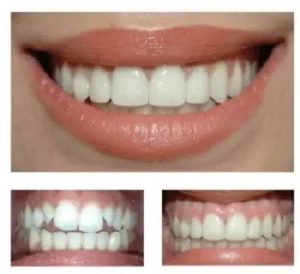
4. Improving the Appearance of Discoloured Teeth
Some types of tooth discolouration do not respond well to traditional teeth whitening treatments. Dental bonding can help cover certain stains and imperfections by applying a carefully colour-matched composite resin over the affected area.
This can create a brighter and more consistent appearance across your smile. Your dentist will assess the cause of the discolouration to determine whether bonding or another cosmetic treatment is more suitable.
What Is the Dental Bonding Procedure Like?
One of the biggest advantages of dental bonding is that the procedure is generally straightforward and minimally invasive. In many cases, treatment can be completed during a single dental appointment.
Here is what you can typically expect during the process.
Step 1: Initial Dental Consultation
Your dentist will begin by examining your teeth and discussing what you would like to improve about your smile. They will assess your oral health, tooth structure and cosmetic goals to determine whether dental bonding is an appropriate treatment.
Step 2: Preparing the Tooth
The surface of the tooth is gently prepared to help the bonding material adhere properly. Your dentist may apply a mild conditioning solution followed by a bonding agent.
In many cases, very little preparation is required, meaning most of your natural tooth structure can be preserved.
Step 3: Applying the Composite Resin
Your dentist applies a tooth-coloured composite resin directly to the treatment area. The material is carefully moulded and shaped to achieve the desired size, shape and appearance.
This stage requires precision and attention to detail to ensure the bonded tooth looks natural.
Step 4: Hardening and Polishing
A specialised curing light is used to harden the composite resin. Once the material has set, your dentist makes any necessary adjustments before polishing the surface.
The final result is designed to blend naturally with your surrounding teeth, creating a smooth and balanced appearance.
What Are the Benefits of Dental Bonding?
Dental bonding has become a popular cosmetic dentistry option because it offers several advantages for patients looking to improve their smiles.
Some of the main benefits include:
Minimally invasive treatment: Dental bonding generally requires little to no removal of natural tooth structure.
Natural-looking results: Composite resin can be colour-matched to your existing teeth for a seamless appearance.
Quick treatment: Many dental bonding procedures can be completed in one appointment.
Versatile cosmetic solution: Bonding can address chips, small gaps, uneven edges and certain types of discolouration.
Affordable alternative: Composite bonding is often more affordable than porcelain veneers.
Customisable results: Your dentist can shape and contour the resin to complement your natural smile.
While dental bonding offers many benefits, it is important to understand that results and suitability vary depending on your individual dental needs.
How Long Does Dental Bonding Last?
A common question patients ask is how long dental bonding will last. Generally, composite bonding can last approximately 3 to 10 years, although its lifespan depends on factors such as the location of the bonded tooth, your bite, oral hygiene habits and lifestyle.
Bonding material can gradually wear down, chip or become stained over time. However, with proper care and regular dental check-ups, you can help maintain your results for as long as possible.
How to Look After Your Dental Bonding
Maintaining your bonded teeth is essential for preserving their appearance and durability.
Here are some simple ways to protect your results:
Brush twice daily: Use a soft-bristled toothbrush and fluoride toothpaste to maintain good oral hygiene.
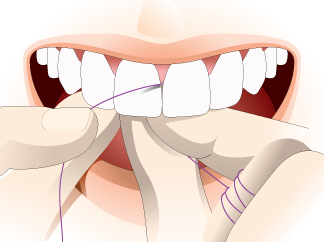
Floss daily: Cleaning between your teeth helps prevent plaque build-up and gum problems.
Avoid biting hard objects: Do not use your teeth to open packaging or bite hard objects such as ice.
Limit staining foods and drinks: Coffee, tea, red wine and other highly pigmented foods can contribute to staining.
Avoid smoking: Tobacco can discolour composite resin over time.
Visit your dentist regularly: Routine dental examinations allow your dentist to monitor your bonding and address any signs of wear or damage.
If you grind or clench your teeth, your dentist may also recommend a night guard to help protect your bonded teeth.
Is Dental Bonding Right for You?
Dental bonding can be an excellent option for people who want to improve minor cosmetic imperfections without undergoing extensive dental treatment.
You may be a suitable candidate if you have chipped teeth, small gaps, uneven edges, minor shape irregularities or certain types of discolouration.
However, bonding may not be suitable for everyone. Patients with extensive tooth damage, significant bite problems or large areas of decay may benefit from alternative treatments.
Your dentist will assess your oral health and discuss the most appropriate options based on your individual circumstances.
Transform Your Smile with Dental Bonding
Dental bonding is a versatile cosmetic dentistry treatment that can help improve the appearance of your smile by repairing chips, closing small gaps, reshaping uneven teeth and addressing certain types of discolouration.
With its minimally invasive approach, natural-looking results and relatively quick treatment process, it is easy to understand why composite bonding is a popular choice for patients wanting to enhance their smiles.
If you are considering dental bonding, the best first step is to arrange a consultation with your dentist. They can assess your teeth, discuss your cosmetic goals and determine whether dental bonding is the right solution to help you achieve a smile you feel confident sharing.