

7 Things You Should Know Before Getting Dental Bonding
Are you considering improving your smile with dental bonding? Whether you want to repair chipped teeth, close small gaps or enhance the overall appearance of your teeth, dental bonding is a popular cosmetic dentistry treatment that can deliver natural-looking results without extensive dental work.
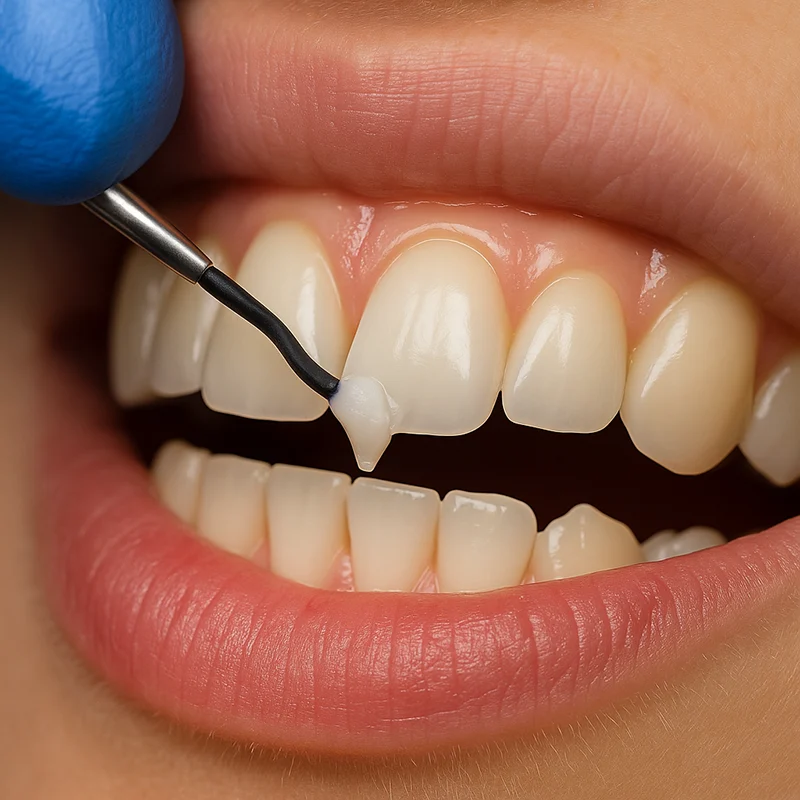
Also known as composite bonding, this treatment uses a tooth-coloured resin material to reshape and restore teeth, helping create a more even and balanced smile. One of the biggest advantages of dental bonding is that it is generally minimally invasive and can often be completed in a single dental appointment.
However, before committing to treatment, it is important to understand what dental bonding involves, how long it lasts and what you can expect from the results.
Here are seven important things you should know before getting dental bonding.
1. Dental Bonding Can Fix Several Cosmetic Dental Concerns
One of the main reasons dental bonding is so popular is its versatility. Composite resin can be carefully shaped and applied to improve the appearance of teeth affected by minor imperfections.
Whether you are concerned about one tooth or want to improve several areas of your smile, dental bonding may provide an effective solution.
What Dental Bonding Can Fix
Dental bonding can help address several cosmetic concerns, including:
Chipped teeth: Restore small chips and repair uneven edges.
Small gaps: Reduce the appearance of spaces between teeth.
Uneven teeth: Improve the shape and symmetry of individual teeth.
Misshapen teeth: Add volume to teeth that appear too small or irregular.
Certain types of discolouration: Cover stains that may not respond well to traditional teeth whitening.
Worn tooth edges: Restore the appearance of teeth affected by minor wear.
The treatment is customised to complement your natural teeth, helping create a more balanced smile. Your dentist will assess your teeth to determine whether composite bonding is appropriate for your particular concerns.
2. The Dental Bonding Procedure Is Usually Quick and Minimally Invasive
Another advantage of dental bonding is that the procedure is generally straightforward and requires little preparation compared with some other cosmetic dental treatments.
In many cases, dental bonding can be completed in a single appointment, depending on how many teeth require treatment and the complexity of the work.
What Happens During Dental Bonding?
The process typically involves four stages:
Step 1: Consultation and assessment
Your dentist will examine your teeth, discuss your smile goals and determine whether dental bonding is suitable for you.
Step 2: Tooth preparation
The tooth surface is gently prepared to help the composite resin adhere properly. A conditioning solution and bonding agent may be applied.
Step 3: Applying the composite resin
Your dentist carefully applies the tooth-coloured resin and shapes it to achieve the desired appearance.
Step 4: Hardening and polishing
A specialised curing light hardens the material. Your dentist then makes any necessary adjustments and polishes the surface to create a smooth, natural-looking finish.
Unlike treatments that require more extensive tooth preparation, dental bonding often preserves most of your natural tooth structure.
3. Dental Bonding Can Look Natural When Done Correctly
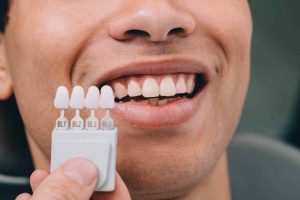
A common concern among patients considering cosmetic dentistry is whether their dental work will look obvious. Fortunately, modern composite bonding materials are available in different shades, allowing dentists to match the resin to your natural tooth colour.
How Dentists Achieve Natural-Looking Results
Achieving a natural appearance involves more than simply applying resin to a tooth. Your dentist considers several factors, including:
The natural shade of your surrounding teeth.
The shape and proportions of your teeth.
The natural contours and edges of each tooth.
The overall symmetry of your smile.
How your upper and lower teeth come together when you bite.
When carefully planned and performed, dental bonding can blend with your surrounding teeth and enhance your smile without looking artificial.
It is important to discuss your expectations with your dentist before treatment so they can recommend an approach that complements your natural features.
4. Dental Bonding Does Not Last Forever
Although dental bonding can provide beautiful results, it is important to understand that composite resin is not a permanent material.
On average, dental bonding can last approximately 3 to 10 years, depending on factors such as your oral hygiene, eating habits, bite and the location of the bonded teeth.
What Can Affect the Lifespan of Dental Bonding?
Several factors can influence how long your dental bonding lasts:
Eating habits: Frequently biting hard foods can increase the risk of chips or damage.
Teeth grinding: Clenching and grinding can place additional pressure on bonded teeth.
Oral hygiene: Poor oral hygiene can contribute to decay around bonded areas and gum problems.
Lifestyle habits: Smoking and frequently consuming staining drinks may affect the appearance of composite resin.
Location of treatment: Bonding on teeth exposed to greater biting forces may experience more wear.
The good news is that damaged or worn bonding can often be repaired or replaced. Regular dental examinations allow your dentist to monitor the condition of your treatment.
5. Composite Bonding Can Stain Over Time
Something many patients overlook before getting dental bonding is that composite resin can become stained over time.
Unlike natural enamel, composite resin does not respond to conventional teeth whitening treatments in the same way. This means that while your natural teeth may become lighter following whitening, your existing bonding may remain the same shade.
How to Prevent Dental Bonding from Staining
To help maintain the appearance of your bonded teeth, consider the following habits:
Limit frequent consumption of coffee, tea and red wine.
Avoid smoking and tobacco products.
Brush twice daily using fluoride toothpaste.
Floss every day to maintain healthy gums.
Attend regular dental check-ups and professional cleans.
Follow your dentist’s recommendations for maintaining your bonding.
If you are considering both teeth whitening and dental bonding, discuss the correct treatment order with your dentist. In many cases, whitening is recommended before bonding so the composite resin can be matched to your desired tooth shade.
6. Dental Bonding Is Often More Affordable Than Porcelain Veneers
Cost is another important consideration when choosing a cosmetic dental treatment.
Dental bonding is generally more affordable than porcelain veneers because composite resin can be applied directly to the teeth without requiring laboratory-manufactured restorations.
However, the overall cost of dental bonding depends on several factors, including the number of teeth being treated, the amount of composite resin required and the complexity of the procedure.
Dental Bonding vs Porcelain Veneers
Both treatments can improve the appearance of your smile, but they have some important differences.
Dental bonding:
Uses tooth-coloured composite resin.
Generally requires minimal tooth preparation.
Can often be completed in one appointment.
Usually has a lower initial cost.
May require more frequent maintenance or replacement.
Porcelain veneers:
Use custom-made porcelain shells.
Often require some removal of natural tooth structure.
Usually involve multiple appointments.
Generally have a higher initial cost.
Can offer greater stain resistance and longevity.
The right treatment depends on your dental health, cosmetic goals and budget. Your dentist can help you compare both options before making a decision.
7. Good Aftercare Is Essential for Long-Lasting Results
Once your dental bonding treatment is complete, looking after your teeth is essential for maintaining the appearance and durability of your results.
Although composite bonding is designed to withstand everyday use, it is not as strong as natural enamel or porcelain in every situation. Developing good oral hygiene habits and avoiding unnecessary pressure on your teeth can help extend its lifespan.
Tips for Maintaining Your Dental Bonding
Here are some simple ways to care for your bonded teeth:
Brush your teeth twice daily with a soft-bristled toothbrush.
Floss daily to remove plaque and food particles between teeth.
Avoid biting fingernails, ice, pens or other hard objects.
Limit foods and drinks that may stain composite resin.
Avoid using your teeth to open packaging.
Wear a dentist-recommended night guard if you grind your teeth.
Schedule regular dental check-ups to monitor your bonding.
If you notice a chip, rough edge or change in the appearance of your bonded teeth, arrange a dental appointment rather than attempting to repair the material yourself.
Is Dental Bonding the Right Choice for Your Smile?
Dental bonding can be an excellent option for patients looking to improve minor imperfections and achieve a more balanced, natural-looking smile. Its versatility, relatively quick treatment process and conservative approach make it an appealing choice for many people considering cosmetic dentistry.
However, dental bonding is not suitable for every dental concern. More extensive tooth damage, significant bite issues or untreated decay may require alternative treatments.
The best way to determine whether dental bonding is right for you is to arrange a consultation with your dentist. They can assess your oral health, discuss your cosmetic goals and recommend a treatment plan suited to your needs.
Ready to Enhance Your Smile with Dental Bonding?
Understanding what to expect before getting dental bonding can help you feel more confident about your cosmetic dental journey. From repairing chipped teeth to improving uneven edges and closing small gaps, composite bonding offers a versatile way to enhance your smile.
With the right treatment plan and proper aftercare, you can enjoy natural-looking results while maintaining the health of your teeth.
If you are thinking about dental bonding, speak with your dentist to discover how this cosmetic treatment could help you achieve a smile you feel confident sharing.