


Why Brushing and Flossing Aren’t Enough to Keep Your Teeth Clean
Brushing your teeth twice a day and flossing daily are essential habits for maintaining good oral health. They help remove plaque, prevent tooth decay, and keep your gums healthy. However, even with a consistent oral hygiene routine, brushing and flossing may not be enough to keep your teeth completely clean.
Over time, plaque can accumulate in hard-to-reach areas and harden into tartar, which cannot be removed with a regular toothbrush. This is why professional teeth cleaning at the dentist plays an important role in maintaining a healthy smile.
Understanding the limitations of home oral care can help you make better decisions about your dental health. In this article, we explain why brushing and flossing aren’t enough on their own, how professional dental cleaning helps, and what you can do to keep your teeth and gums healthy.
1. Plaque Can Build Up in Hard-to-Reach Areas
Plaque is a sticky film of bacteria that forms on your teeth throughout the day. It develops when bacteria in your mouth interact with food particles and sugars. If plaque is not removed regularly, it can contribute to tooth decay, gum inflammation, and other oral health problems.
Why Brushing Alone May Not Remove All Plaque
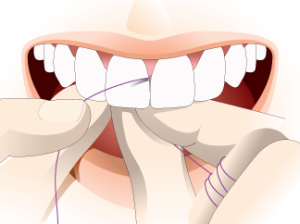
Although brushing helps remove plaque from tooth surfaces, some areas are difficult to reach with a toothbrush. These include the spaces between teeth, the back surfaces of molars, and areas along the gumline.
Flossing helps clean between teeth, but the effectiveness of your oral hygiene routine also depends on your technique and consistency.
Professional dental cleaning helps remove plaque deposits that remain in difficult-to-clean areas. Your dentist or dental hygienist can also provide personalised advice on brushing and flossing techniques to improve your daily oral care routine.
2. Hardened Tartar Cannot Be Removed at Home
One of the main reasons brushing and flossing aren’t enough to keep your teeth clean is the formation of tartar.
What Is Tartar and How Does It Form?
When plaque remains on your teeth, minerals in your saliva can cause it to harden into tartar, also known as dental calculus. Tartar commonly develops near the gumline and between teeth.
Unlike soft plaque, hardened tartar cannot be effectively removed using a regular toothbrush or dental floss. Attempting to scrape tartar off your teeth yourself can injure your gums or damage tooth surfaces.
During a professional scale and clean, your dentist or dental hygienist uses specialised instruments to remove tartar safely. This helps reduce deposits that can contribute to gum irritation and makes it easier to maintain clean teeth at home.
3. Brushing and Flossing Cannot Replace Professional Dental Cleaning
Daily oral hygiene is essential, but it serves a different purpose from professional dental cleaning. Brushing and flossing help control plaque before it hardens, while a professional scale and clean removes accumulated tartar and certain surface stains.
What Happens During a Professional Teeth Cleaning?
A routine professional dental cleaning typically involves examining your teeth and gums, removing plaque and tartar, and polishing the teeth when appropriate.
Your dentist may also check for signs of gum inflammation, tooth decay, worn fillings, or other oral health concerns. Additional assessments or treatments may be recommended depending on your individual needs.
Professional teeth cleaning is not a substitute for brushing and flossing. Instead, both approaches work together to help maintain your oral health.
4. Poor Oral Hygiene Can Increase Your Risk of Gum Disease
Gum disease is commonly associated with plaque buildup around the teeth and gumline. When plaque bacteria irritate the gums, inflammation can develop.
Early Signs of Gum Disease
Gingivitis is the early stage of gum disease. Common symptoms include red or swollen gums, bleeding during brushing or flossing, and persistent bad breath.
If gingivitis is not managed, it can progress to periodontitis in some people. This more advanced condition can damage the tissues and bone supporting the teeth.
Regular professional dental cleaning helps remove plaque and tartar that contribute to gum inflammation. However, established periodontitis may require more extensive periodontal treatment than a routine scale and clean.
Combining professional dental care with effective daily oral hygiene is an important step towards maintaining healthy gums.
5. You May Still Develop Cavities Despite Brushing Regularly
Brushing with fluoride toothpaste and cleaning between your teeth help reduce your risk of tooth decay. However, cavities can still develop even when you follow a good oral hygiene routine.
What Factors Contribute to Tooth Decay?
Tooth decay occurs when bacteria in plaque produce acids that weaken tooth enamel. Frequent consumption of sugary foods and drinks, inadequate fluoride exposure, dry mouth, and individual risk factors can influence your likelihood of developing cavities.
Professional dental cleaning helps remove plaque and tartar deposits, while routine dental examinations allow your dentist to identify potential problems.
Your dentist may also recommend fluoride treatments or other preventive measures based on your oral health needs.
Remember that professional cleaning alone cannot prevent every cavity. A balanced diet, daily brushing, cleaning between your teeth, and regular dental check-ups all contribute to better protection against tooth decay.
6. Professional Teeth Cleaning Can Help Remove Surface Stains
Even if you brush and floss every day, your teeth may develop surface stains over time. Coffee, tea, red wine, and tobacco products are common contributors to tooth discolouration.
Can a Dental Cleaning Make Your Teeth Whiter?
A professional scale and polish can remove plaque, tartar, and some external stains, helping your teeth look cleaner and feel smoother.
However, dental cleaning is different from professional teeth whitening. Cleaning removes deposits and surface stains, while whitening treatments are designed to lighten the colour of natural tooth structure.
If you are concerned about discoloured teeth, your dentist can assess the cause and discuss suitable options.
Regular dental cleaning, together with good oral hygiene, can help maintain a cleaner-looking smile between appointments.
7. Regular Dental Visits Help Identify Problems Early
One benefit of visiting your dentist regularly is the opportunity to monitor your oral health over time. Some dental conditions develop gradually and may not cause noticeable symptoms in their early stages.
What Can Your Dentist Detect During a Check-Up?
During a dental examination, your dentist may identify early signs of tooth decay, gum disease, damaged teeth, worn dental restorations, or other oral health concerns.
Dental X-rays may be recommended when clinically necessary to assess areas that cannot be fully examined visually.
Finding problems early can allow appropriate treatment to begin before a condition becomes more complicated. Your dentist can also recommend a professional cleaning schedule based on your plaque buildup, gum health, and individual risk factors.
How to Keep Your Teeth Clean Between Dental Visits
Professional dental cleaning works best when combined with a consistent oral hygiene routine at home.
Daily Habits for a Healthier Smile
Follow these practical steps to help maintain clean teeth and healthy gums:
Brush your teeth twice a day for two minutes using fluoride toothpaste.
Clean between your teeth daily with dental floss or interdental brushes.
Replace your toothbrush when the bristles become worn.
Limit frequent consumption of sugary foods and drinks.
Drink water regularly to help maintain moisture in your mouth.
Avoid smoking and other tobacco products.
Attend dental check-ups and professional cleaning appointments as recommended.
Many people benefit from professional teeth cleaning every six months, although the ideal frequency depends on their oral health. Your dentist can recommend a schedule suited to your needs.
Book Your Professional Teeth Cleaning Appointment
Brushing and flossing are essential for keeping your teeth clean, but they cannot remove hardened tartar once it has formed. Plaque can also remain in difficult-to-reach areas, even when you follow a regular oral hygiene routine.
Professional teeth cleaning helps remove accumulated plaque and tartar, supports gum health, and gives your dentist an opportunity to identify potential dental problems. When combined with daily brushing, flossing, and regular dental check-ups, it forms an important part of preventive dental care.
If it has been a while since your last dental visit, consider booking an appointment to have your teeth and gums assessed.
Contact your local dental clinic today to book a professional teeth cleaning appointment and take another step towards a cleaner, healthier smile.