

7 Signs It’s Time to Replace Your Electric Toothbrush Head
An electric toothbrush can be an excellent addition to your daily oral hygiene routine, but the toothbrush handle is only one part of the equation. The toothbrush head plays a crucial role in cleaning your teeth and gums, and like any regularly used oral care product, it eventually needs to be replaced.
Knowing when to replace an electric toothbrush head can help you maintain a consistent brushing routine and avoid using a head that has become excessively worn. While approximately three months is a useful general replacement guideline, the condition of your toothbrush head is often the clearest indication that it is time for a new one.
So, what should you look for? Here are seven signs that your electric toothbrush head may need replacing.
1. The Bristles Are Frayed
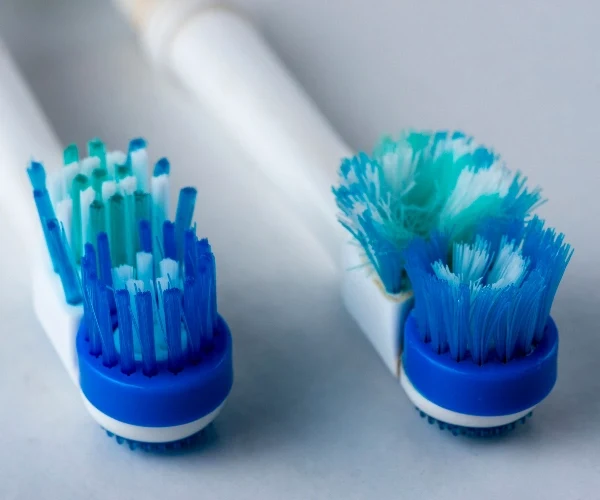
One of the most obvious signs it’s time to replace your electric toothbrush head is frayed bristles. When a toothbrush head is new, the bristles are usually neatly arranged and maintain their intended shape. With regular use, however, they can gradually spread, bend and become uneven.
If you notice that the bristles are sticking out in different directions or look noticeably worn compared with when you first purchased the head, it is probably time to replace it.
Why Do Toothbrush Bristles Become Frayed?
Bristle wear can happen simply because the toothbrush head is used regularly. However, excessive brushing pressure can accelerate the process.
If you find that your toothbrush heads become frayed well before the recommended replacement period, consider whether you are pressing too firmly. An electric toothbrush is designed to do much of the cleaning work for you, so heavy pressure is generally unnecessary.
2. The Bristles Are Flattened or Bent
Fraying isn’t the only type of visible wear. Flattened or permanently bent bristles are another indication that you should consider an electric toothbrush head replacement.
Take a moment to look at the toothbrush head from above. Do the bristles still look relatively uniform, or have they become flattened against one side? If they have lost their original shape, the head is showing clear signs of wear.
Check Your Toothbrush Head Regularly
You don’t need special equipment to check your toothbrush head. Simply inspect it every few weeks while rinsing it after brushing.
Regular checks can help you identify worn bristles before you automatically reach the three-month replacement point. If the head looks significantly different from when it was new, replacing it is sensible.
3. Your Toothbrush Head Is More Than Three Months Old
Another simple sign that it may be time to replace your toothbrush head is its age.
For many people, replacing an electric toothbrush head approximately every three months is a useful routine. This timeframe can help prevent you from continuing to use a head long after its bristles have experienced significant wear.
However, three months should not be viewed as an exact expiration date. Some toothbrush heads may show substantial wear earlier, while others may appear to be in good condition after several months.
Set a Reminder for Toothbrush Head Replacement
If you regularly forget when you last changed your toothbrush head, consider setting a recurring reminder on your phone or calendar.
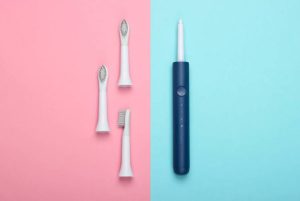
You could also keep spare replacement toothbrush heads at home so you can change the head as soon as you notice significant wear.
4. Your Toothbrush Head Feels Rough or Uncomfortable
A change in how your toothbrush head feels can also indicate that it is ready for replacement.
When bristles become worn or damaged, they may feel different against your teeth and gums. You might notice that your toothbrush head feels rougher, less comfortable or simply different from when it was new.
Don’t Ignore Persistent Gum Discomfort
If brushing consistently causes pain, irritation or bleeding, don’t assume that a new toothbrush head will automatically solve the problem.
Try using gentle pressure and consider whether you need a softer toothbrush head. If discomfort or bleeding continues, speak with a dentist or dental professional so that the underlying cause can be assessed.
5. The Toothbrush Head Looks Dirty or Damaged
Your toothbrush head should be rinsed thoroughly after each use. Over time, however, you may notice persistent buildup, discolouration or other changes that make the head look unclean.
If the toothbrush head remains visibly dirty despite being rinsed properly, replacing it may be appropriate.
Physical damage is another reason to replace a toothbrush head. Cracked components, loose parts or other damage can affect the way the head attaches to the toothbrush handle.
Keep Your Replacement Heads Clean
Good toothbrush care can help maintain your toothbrush head between replacements. After brushing, rinse the head thoroughly with water and allow it to air dry.
Avoid storing it somewhere that keeps it permanently damp. If you use a travel case, allowing the toothbrush head to dry before enclosing it can be helpful.
6. Your Toothbrush Head No Longer Fits Properly
An electric toothbrush head should attach securely to the compatible toothbrush handle. If you notice that the head has become loose, wobbly or difficult to attach, it may be time to replace it.
A poor fit can make brushing uncomfortable and may indicate that the attachment mechanism or toothbrush head has become worn or damaged.
Always Choose Compatible Replacement Heads
When buying a new electric toothbrush head, check that it is designed to work with your specific toothbrush model.
Not every replacement head is compatible with every electric toothbrush. Different brands and models can use different attachment systems, so checking the manufacturer’s compatibility information before purchasing is important.
7. Your Brushing Experience Has Changed
Sometimes the biggest indication that your toothbrush head needs replacing is simply that brushing no longer feels the same.
You may notice that the head doesn’t feel as effective, comfortable or smooth as it once did. Perhaps it feels worn when you use it, or you find yourself spending more time trying to clean certain areas.
These changes can occur gradually, making them easy to overlook.
Trust Visible Wear and Changes in Performance
If your toothbrush head looks worn and your brushing experience has changed, there is little benefit in trying to extend its lifespan unnecessarily.
A replacement head is a relatively simple part of your oral care routine to update. Keeping spare heads available can make the replacement process quick and convenient.
Why Regular Electric Toothbrush Head Replacement Matters
Replacing your electric toothbrush head is an important part of maintaining your overall brushing routine. Over time, bristles naturally become worn, particularly when the toothbrush is used regularly.
A worn toothbrush head may not feel or perform the same way as a fresh head. Replacing it when necessary can help you maintain a comfortable and consistent brushing routine.
However, remember that the toothbrush head is only one part of good oral hygiene. Brushing technique, brushing frequency and cleaning between your teeth are also important.
How to Make Your Electric Toothbrush Head Last
Although toothbrush heads need regular replacement, taking proper care of them can help maintain their condition between replacements.
Use Gentle Pressure
Avoid pressing your electric toothbrush aggressively against your teeth. Excessive pressure can contribute to faster bristle wear and may irritate your gums.
Let the electric toothbrush perform its cleaning action while you guide it gently around your mouth.
Rinse After Every Use
Rinse the toothbrush head thoroughly after brushing to remove toothpaste and debris. Allow it to dry between uses rather than leaving it covered and damp.
Don’t Share Toothbrush Heads
Toothbrush heads are personal oral care products. Each person should have their own toothbrush and replacement heads rather than sharing them with other household members.
How to Choose a New Electric Toothbrush Head
Once you have decided that it is time for a replacement, choose a toothbrush head that is compatible with your electric toothbrush and appropriate for your needs.
Consider the size of the head, the softness of the bristles and any features designed around your brushing preferences.
Choose the Right Bristle Type
Soft bristles are commonly chosen for everyday brushing because they can provide a comfortable brushing experience. If you have sensitive teeth or gums, your dentist can advise you about the most appropriate toothbrush and bristle type.
Specialised toothbrush heads are also available for different preferences, including heads designed for plaque removal, sensitive teeth or polishing.
How Often Should You Replace an Electric Toothbrush Head?
For most people, replacing an electric toothbrush head approximately every three months is a useful general guideline. However, don’t rely on the calendar alone.
If you notice frayed, flattened or bent bristles before three months, replace the head sooner. Similarly, if your toothbrush head becomes damaged or uncomfortable to use, there is no reason to wait until the three-month mark.
The best approach is to combine a regular replacement schedule with occasional visual checks.
Final Thoughts
Knowing the signs it’s time to replace your electric toothbrush head can help you maintain a reliable and comfortable oral hygiene routine.
Frayed bristles, flattened bristles, an old toothbrush head, discomfort, visible dirt or damage, a poor fit and changes in your brushing experience are all reasons to consider replacing your toothbrush head.
As a general rule, aim to replace your electric toothbrush head approximately every three months, or sooner if it becomes noticeably worn. Always choose a compatible replacement head and use gentle brushing pressure.
Most importantly, remember that replacing your toothbrush head is just one part of taking care of your teeth and gums. Combine a suitable toothbrush head with consistent brushing, cleaning between your teeth and regular dental visits for a well-rounded oral hygiene routine.