

Why Plaque Is More Than Just a Cosmetic Problem
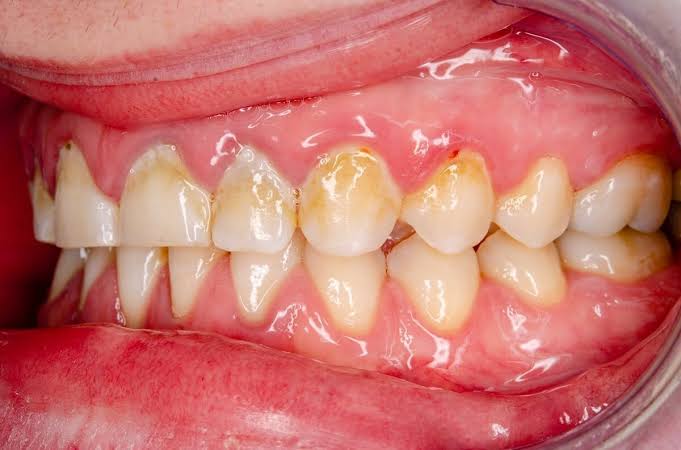
Plaque on your teeth may seem like a minor cosmetic issue, especially when it appears as a sticky film or slightly yellow coating around the gumline. However, dental plaque is more than something that can make your teeth look less clean. Plaque contains bacteria that can contribute to tooth decay, gum inflammation, bad breath, and more serious oral health problems when it is not removed regularly.
Understanding why plaque is more than just a cosmetic problem can help you take better care of your teeth and gums. While professional teeth cleaning can remove hardened deposits, daily brushing and cleaning between your teeth are essential for controlling plaque before it causes damage.
What Is Dental Plaque?
Dental plaque is a sticky film of bacteria that forms naturally on your teeth. It develops when bacteria in the mouth interact with saliva and substances left behind by food and drinks.
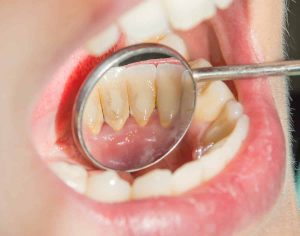
Plaque can form on virtually any tooth surface, including the front and back of your teeth, between teeth, and along the gumline. Because plaque begins forming again after you clean your teeth, maintaining good oral hygiene requires regular daily care.
Fresh plaque is generally soft and can be removed with effective brushing and cleaning between the teeth. However, if plaque remains on the teeth, it can harden into tartar, also known as dental calculus.
Why Plaque Is More Than a Cosmetic Problem
Although visible plaque can affect the appearance and cleanliness of your teeth, its potential impact goes much further.
Plaque Can Contribute to Tooth Decay
One of the most important risks associated with plaque is tooth decay. Bacteria within plaque can use sugars and carbohydrates from food and drinks to produce acids.
These acids can attack tooth enamel. Repeated exposure can weaken the enamel and eventually contribute to cavities.
Brushing twice a day with fluoride toothpaste and limiting frequent exposure to sugary foods and drinks can help reduce the risk of tooth decay.
Plaque Can Cause Gum Inflammation
Plaque accumulating along the gumline can irritate the gums. This can lead to gingivitis, an early form of gum disease.
Signs of gingivitis can include red, swollen, tender, or bleeding gums. Some people may dismiss bleeding during brushing or flossing as normal, but it can be a sign that plaque is irritating the gum tissue.
Improving oral hygiene and receiving appropriate professional dental care can help manage gingivitis.
Plaque Can Contribute to Gum Disease
If plaque-related gum inflammation is not addressed, gum disease can become more advanced. Periodontitis affects the tissues and bone that support the teeth.
Advanced gum disease can cause gum recession, bone loss, loose teeth, and eventually tooth loss.
This demonstrates why plaque should not be viewed simply as something that affects how your teeth look. The health of your gums is closely connected to the health and stability of your teeth.
Plaque Can Contribute to Bad Breath
The bacteria found in plaque can contribute to unpleasant breath. Some oral bacteria produce compounds associated with bad odors.
Plaque can also contribute to gum inflammation and other oral conditions that may cause persistent bad breath.
Brushing, cleaning between your teeth, cleaning your tongue, and maintaining regular dental appointments can help control plaque and support fresher breath.
What Happens When Plaque Turns Into Tartar?
Plaque is soft and can generally be removed through effective home oral hygiene. However, when plaque remains on the teeth, minerals in saliva can cause it to harden into tartar.
Tartar is much more difficult to remove than soft plaque. Brushing and flossing can help prevent tartar formation, but they cannot effectively remove hardened deposits once they have developed.
Professional teeth cleaning is necessary to remove tartar safely.
Why Tartar Can Make Plaque Problems Worse
Tartar creates a rough surface that can make it easier for additional plaque to accumulate. It can also develop around the gumline, where it may contribute to ongoing gum irritation.
For this reason, professional dental cleanings are an important complement to your daily oral hygiene routine.
Can Plaque Be Seen on Your Teeth?
Plaque is not always easy to see. It can appear as a thin, sticky or fuzzy layer on your teeth and may be particularly noticeable around the gumline.
Some people may notice a buildup after eating or several hours after brushing. Plaque can also accumulate between teeth, where it may not be visible in a mirror.
Dental professionals can identify plaque and tartar during routine examinations. Some dental products can also temporarily highlight plaque, making it easier to identify areas that may need more thorough cleaning.
What Causes Excessive Plaque Buildup?
Everyone develops plaque, but several factors can contribute to excessive buildup.
Inconsistent Brushing
Skipping brushing or brushing too quickly can leave plaque behind. Missing areas such as the back teeth and gumline can allow plaque to accumulate over time.
Not Cleaning Between Teeth
Toothbrushes cannot effectively reach every surface between your teeth. Without flossing or another interdental cleaning method, plaque can remain in these spaces.
Frequent Sugary Foods and Drinks
Frequent consumption of sugary foods and drinks can provide bacteria with substances they can use to produce acids. Reducing frequent sugar exposure can support better oral health.
Dry Mouth
Saliva helps maintain the mouth’s natural balance and can assist in clearing food particles. Reduced saliva flow can make it easier for bacteria and debris to accumulate.
If you regularly experience dry mouth, discuss it with your dentist or healthcare professional.
How to Prevent Plaque Buildup
The most effective way to manage plaque is through consistent oral hygiene and professional dental care.
Brush Twice a Day
Brush your teeth twice a day with fluoride toothpaste. Clean all tooth surfaces, including the front, back, chewing surfaces, and areas near the gumline.
Using a soft-bristled toothbrush and appropriate brushing technique can help clean effectively while being gentle on your gums.
Clean Between Your Teeth Daily
Floss or use another suitable interdental cleaner once a day. This helps remove plaque and food debris from areas that toothbrush bristles may not reach.
If you find traditional floss difficult to use, ask your dental professional about alternatives such as interdental brushes or water flossers.
Limit Frequent Sugar Intake
Reducing how frequently you consume sugary foods and drinks can help protect your teeth from acid attacks associated with tooth decay.
Water is generally a good choice between meals and can help rinse away food particles.
Use Fluoride Products
Fluoride toothpaste helps strengthen tooth enamel and protect against cavities. Depending on your individual needs, your dentist may also recommend a fluoride mouthwash or other fluoride treatment.
Attend Regular Dental Appointments
Professional dental examinations allow your dentist to monitor your teeth and gums for signs of potential problems.
Professional cleaning can also remove tartar that cannot be removed effectively through brushing and flossing alone.
Can Mouthwash Remove Plaque?
Some therapeutic mouthwashes can help reduce plaque and the bacteria associated with it. However, mouthwash should not replace brushing or cleaning between your teeth.
Mouthwash works best as an additional part of an oral hygiene routine. If you have a particular dental concern, your dentist can recommend whether a specific mouthwash would be appropriate.
When Should You See a Dentist?
You should not wait until plaque becomes visibly obvious before visiting a dentist. Regular dental appointments can help identify plaque-related problems early.
Arrange a dental examination if you experience persistent gum bleeding, swollen gums, tooth pain, sensitivity, persistent bad breath, loose teeth, or visible tartar.
These symptoms can have several causes, and a dental professional can assess your mouth and recommend appropriate treatment.
Frequently Asked Questions About Dental Plaque
Is plaque harmful to your teeth?
Plaque is a normal bacterial film, but excessive or persistent plaque buildup can contribute to tooth decay, gingivitis, bad breath, and gum disease.
Can plaque be removed at home?
Soft plaque can generally be removed with effective brushing and cleaning between your teeth. Hardened tartar, however, requires professional dental cleaning.
Does plaque always cause cavities?
Not every person with plaque will develop cavities, but plaque bacteria can produce acids that contribute to tooth decay. Good oral hygiene and fluoride use can help reduce the risk.
Can professional cleaning prevent plaque?
Professional cleaning does not permanently prevent plaque from forming. Instead, it removes plaque and tartar that may remain despite home care and helps maintain overall oral health.
Final Thoughts: Plaque Is More Than a Cosmetic Problem
Plaque may be easy to overlook, but it is much more than a cosmetic concern. This sticky bacterial film can contribute to tooth decay, gum inflammation, bad breath, and gum disease if it is not controlled.
The good news is that plaque can be managed with consistent daily care. Brush twice a day with fluoride toothpaste, clean between your teeth every day, limit frequent sugary foods and drinks, and follow your dentist’s recommendations for professional examinations and cleaning.
If plaque hardens into tartar, professional dental cleaning can remove these deposits and help protect your gums and teeth.
Taking plaque seriously is an important part of protecting your long-term oral health. A clean-looking smile is a benefit, but the real goal is maintaining healthy teeth, healthy gums, and a mouth that functions well for years to come.