

Does Mouthwash Remove Plaque?
Does mouthwash remove plaque? It can help reduce plaque and the bacteria associated with it, but mouthwash should not be considered a replacement for brushing and cleaning between your teeth. Dental plaque is a sticky film of bacteria that constantly forms on your teeth. If it is not removed regularly, it can contribute to tooth decay, bad breath, gingivitis, and gum disease.
The type of mouthwash you use also matters. Some mouthwashes are designed primarily to freshen breath, while therapeutic mouthwashes contain active ingredients that can help reduce plaque, gingivitis, tooth decay, or other oral health concerns.
Understanding what mouthwash can and cannot do can help you choose the right oral hygiene routine and get more benefit from your daily dental care.
What Is Dental Plaque?
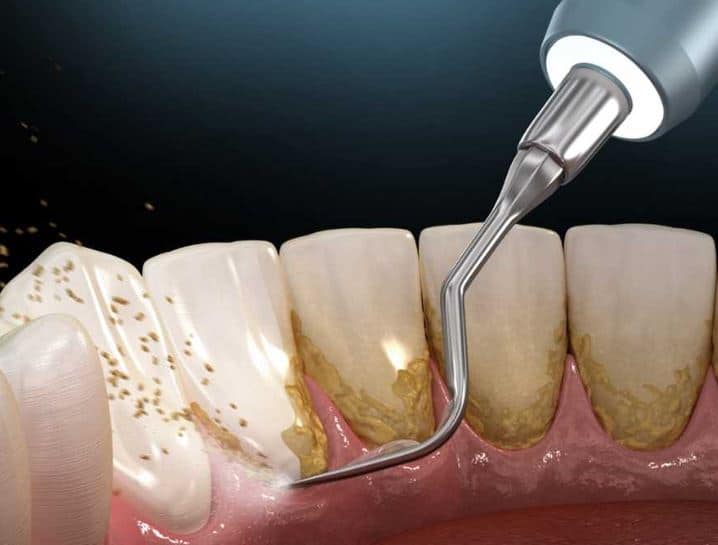
Dental plaque is a sticky, colorless or pale film that develops on your teeth when bacteria, saliva, and food particles interact. Plaque can build up on the front and back surfaces of your teeth, between teeth, and along the gumline.
Plaque begins forming again after you clean your teeth, which means maintaining good oral hygiene requires consistent daily care. When plaque remains on teeth, bacteria can produce acids that contribute to tooth decay.
Plaque around the gumline can also irritate the gums and contribute to gingivitis. Removing plaque regularly is therefore an important part of maintaining healthy teeth and gums.
Can Mouthwash Remove Plaque?
Mouthwash can help reduce plaque and the bacteria that contribute to plaque formation, depending on the product and its active ingredients. However, mouthwash does not physically scrub plaque from teeth in the same way that brushing does.
Some therapeutic mouthwashes are formulated to help control plaque and gingivitis. They can reach areas throughout the mouth and provide an additional level of oral hygiene.
However, mouthwash works best as part of a complete dental care routine. Brushing twice a day and cleaning between your teeth remain essential for physically removing plaque from tooth surfaces and between teeth.
How Does Mouthwash Work?
Different mouthwashes work in different ways. Their effects depend on the active ingredients included in the formula.
Antibacterial Ingredients
Some therapeutic mouthwashes contain ingredients designed to reduce certain bacteria in the mouth. Reducing bacteria may help control plaque and gingivitis when the product is used as directed.
These products can be particularly useful for people who have specific oral health needs, although your dentist may recommend a particular mouthwash based on your circumstances.
Fluoride
Some mouthwashes contain fluoride, which can help strengthen tooth enamel and protect against cavities. Fluoride mouthwash may be recommended for people who have an increased risk of tooth decay.
However, fluoride mouthwash is an additional preventive measure rather than a replacement for brushing with fluoride toothpaste.
Breath-Freshening Ingredients
Some mouthwashes are primarily designed to freshen breath. They may temporarily reduce unpleasant odors and leave your mouth feeling cleaner.
Breath-freshening mouthwash may not provide the same plaque-control benefits as a therapeutic mouthwash. If plaque or gum disease is causing persistent bad breath, simply masking the odor will not address the underlying problem.
Does Mouthwash Replace Brushing?
No. Mouthwash should not replace brushing your teeth.
A toothbrush physically disrupts and removes plaque from tooth surfaces. Fluoride toothpaste also provides fluoride directly to the teeth, helping strengthen enamel and protect against decay.
For most people, brushing twice a day with fluoride toothpaste is a fundamental part of an effective oral hygiene routine.
Mouthwash can complement brushing, but it should not be viewed as an alternative.
Does Mouthwash Replace Flossing?
Mouthwash also does not replace cleaning between your teeth. Areas between teeth can be difficult for toothbrush bristles to reach, allowing plaque and food debris to remain.
Floss, interdental brushes, or other appropriate interdental cleaning methods can help clean these spaces.
Using mouthwash alongside brushing and interdental cleaning can provide a more comprehensive approach to oral hygiene.
Benefits of Using Mouthwash
Adding the right mouthwash to your oral hygiene routine may provide several benefits.
Helps Control Plaque
Certain therapeutic mouthwashes can help reduce plaque buildup when used correctly. This can be particularly useful alongside regular brushing and interdental cleaning.
May Help Reduce Gingivitis
Some mouthwashes are formulated to help control gingivitis. Gingivitis can cause red, swollen, or bleeding gums and is often associated with plaque buildup.
Good daily oral hygiene and professional dental care are important for managing gum health.
Helps Prevent Tooth Decay
Fluoride-containing mouthwash can provide additional protection against cavities for people who need it.
Your dentist can advise whether a fluoride mouthwash would be appropriate for your individual oral health needs.
Freshens Breath
Mouthwash can temporarily improve breath odor by reducing certain bacteria or masking unpleasant smells.
However, persistent bad breath can sometimes indicate an underlying dental problem. If bad breath continues despite good oral hygiene, consider arranging a dental examination.
How to Use Mouthwash Correctly
Using mouthwash correctly is important if you want to get the intended benefits from the product.
Follow the Product Instructions
Always follow the directions on the mouthwash label. Different products have different recommended amounts, usage frequencies, and precautions.
Some mouthwashes are intended for daily use, while others may be recommended for specific periods.
Do Not Swallow Mouthwash
Mouthwash is generally intended to be rinsed around the mouth and then spat out. Do not swallow it.
Keep mouthwash out of reach of young children and follow age recommendations on the product label.
Give the Product Time to Work
Use the recommended amount and rinse for the amount of time specified on the label. Rinsing for too short a period may reduce the intended benefit.
Should You Use Mouthwash Before or After Brushing?
The ideal timing can depend on the type of mouthwash and its ingredients. Follow the instructions provided with your specific product or the advice of your dentist.
If you use a fluoride toothpaste, your dental professional may advise you not to rinse immediately after brushing because doing so can wash away concentrated fluoride from the toothpaste.
For this reason, it is worth checking the instructions on your mouthwash and toothpaste rather than assuming that more rinsing is always better.
Can Mouthwash Remove Hardened Tartar?
No. Mouthwash cannot remove hardened tartar from your teeth.
Tartar, also called dental calculus, forms when plaque becomes mineralized and hardens. Once tartar has developed, brushing and mouthwash cannot reliably remove it.
Professional dental cleaning is needed to remove hardened tartar safely. During a professional cleaning, a dentist or dental hygienist can use specialized instruments to remove deposits from the teeth.
What Is the Best Mouthwash for Plaque?
There is no single mouthwash that is best for everyone. The right product depends on your oral health needs.
If your main concern is plaque and gingivitis, a therapeutic mouthwash designed to address these problems may be appropriate. If you are at higher risk of tooth decay, a fluoride mouthwash may be recommended.
Rather than choosing a mouthwash based only on its flavor or marketing claims, look at its active ingredients and consider asking your dentist for advice.
Who May Benefit From Mouthwash?
Many people can use mouthwash as part of their oral hygiene routine, but it may be particularly useful for people with specific dental concerns.
Your dentist may recommend a particular mouthwash if you have a higher risk of cavities, gum inflammation, plaque buildup, dry mouth, or other oral health issues.
People who have difficulty cleaning certain areas of their mouth may also benefit from additional oral hygiene products.
How to Prevent Plaque Buildup
Mouthwash is only one part of plaque prevention. The most effective approach combines several habits.
Brush Twice Daily
Brush your teeth twice a day with fluoride toothpaste. Spend enough time cleaning all tooth surfaces, including the areas near the gumline.
Clean Between Your Teeth
Use floss or another suitable interdental cleaning method every day. This helps remove plaque from spaces that a toothbrush cannot effectively reach.
Limit Frequent Sugary Snacks
Frequent exposure to sugary foods and drinks can increase the risk of tooth decay. Choose water more often and limit how frequently you consume sugary snacks and beverages.
Visit Your Dentist Regularly
Regular dental examinations and professional cleanings can help identify problems early and remove tartar that cannot be eliminated through home care.
Frequently Asked Questions About Mouthwash and Plaque
Can mouthwash completely remove plaque?
No. Mouthwash can help reduce plaque and bacteria, but it does not replace the mechanical removal provided by brushing and cleaning between your teeth.
Can mouthwash remove tartar?
No. Hardened tartar requires professional removal by a dentist or dental hygienist.
Is mouthwash necessary every day?
Not everyone needs mouthwash. For many people, effective brushing, cleaning between the teeth, a balanced diet, and regular dental care provide the foundation of good oral hygiene. Your dentist can recommend whether mouthwash would benefit you.
Can mouthwash cure gum disease?
Mouthwash may help control bacteria and plaque as part of a gum-care routine, but it should not be considered a cure for gum disease. More advanced gum disease may require professional treatment.
Final Thoughts: Does Mouthwash Remove Plaque?
So, does mouthwash remove plaque? The answer is that certain mouthwashes can help reduce plaque and the bacteria associated with it, but they cannot replace brushing and cleaning between your teeth.
For the best results, use mouthwash as an addition to a consistent oral hygiene routine. Brush twice a day with fluoride toothpaste, clean between your teeth daily, limit frequent sugary foods and drinks, and attend regular dental appointments.
If you have persistent bad breath, bleeding gums, swelling, tooth sensitivity, or visible tartar, speak with a dental professional. The right combination of home care and professional dental treatment can help keep plaque under control and support healthier teeth and gums.