

How Professional Teeth Cleaning Removes Plaque and Tartar
Plaque and tartar are two of the most common causes of oral health problems, yet many people do not realize how difficult tartar can be to remove at home. While regular brushing and flossing are essential for keeping teeth clean, professional teeth cleaning provides a deeper level of plaque and tartar removal that cannot always be achieved with a toothbrush alone.
During a professional dental cleaning, a dentist or dental hygienist uses specialized instruments to remove plaque, tartar and other deposits from the surfaces of your teeth and around the gumline. Professional cleaning can help maintain healthy teeth and gums while also allowing your dental team to identify potential problems before they become more serious.
What Is Dental Plaque?
Dental plaque is a sticky film of bacteria that continuously forms on your teeth. It can collect along the gumline, between teeth and in other areas that are difficult to clean thoroughly.
When plaque is not removed regularly, it can contribute to tooth decay and gum inflammation. Daily brushing and cleaning between your teeth help control plaque before it becomes harder and more difficult to remove.
The American Dental Association recommends brushing twice a day and cleaning between your teeth daily with floss or another appropriate interdental cleaner.
What Is Tartar?
Tartar, also called dental calculus, forms when plaque becomes hardened and mineralized. Unlike soft plaque, tartar cannot simply be brushed away with a normal toothbrush.
Once tartar develops, professional dental cleaning is generally required to remove it. Tartar can also create rough surfaces where additional plaque can accumulate, making effective home cleaning more difficult.
This is one of the main reasons regular dental visits are important even if you brush and floss consistently.
How Professional Teeth Cleaning Removes Plaque and Tartar
A professional teeth cleaning typically involves several steps designed to remove deposits from the teeth and help maintain healthy gums. The exact process can vary depending on your oral health and whether you have gum disease.
1. Examination of Your Teeth and Gums
Before cleaning begins, your dental professional may examine your teeth and gums. They can look for visible plaque, tartar, gum inflammation, bleeding and other signs that may require attention.
This assessment helps determine which areas need the most attention and whether a routine cleaning or more extensive treatment may be appropriate.
2. Scaling Removes Tartar
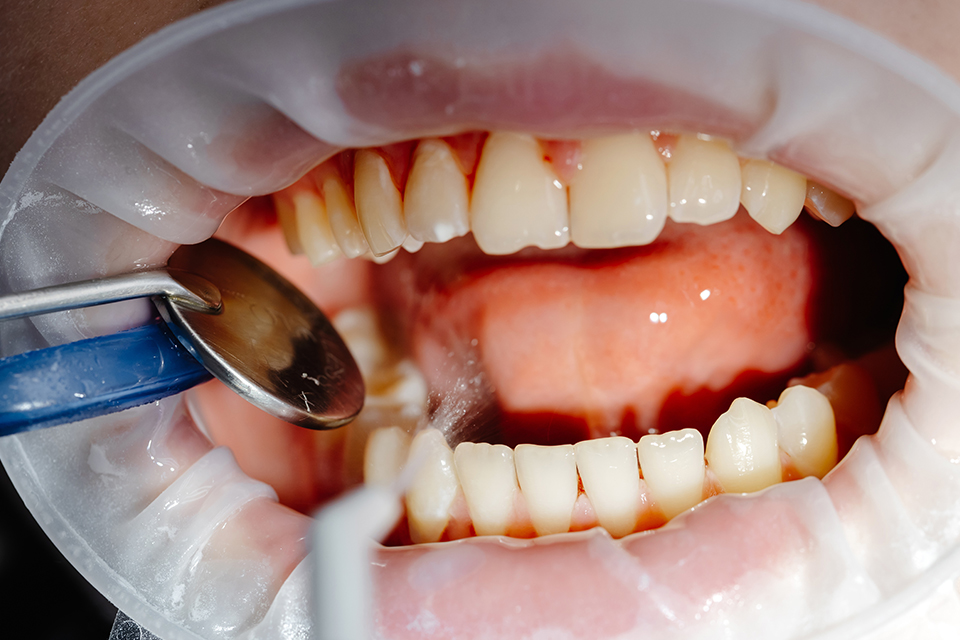
Scaling is one of the most important parts of professional teeth cleaning. During scaling, dental professionals use specialized instruments to carefully remove hardened tartar from the tooth surfaces.
Tartar can develop both above and, in some cases, below the gumline. Professional instruments allow dental professionals to reach areas that are difficult to clean effectively with a toothbrush.
Dental hygienists are specifically trained to remove plaque and calculus from teeth as part of their clinical role.
3. Cleaning Around the Gumline
The gumline is an area where plaque can accumulate easily. If plaque remains around the gums, it can contribute to inflammation and gingivitis.
Professional cleaning focuses on removing deposits around the gumline and other hard-to-reach areas. Keeping these areas clean can make it easier to maintain good oral hygiene between dental appointments.
4. Polishing the Teeth
After scaling, your dental professional may polish your teeth. Polishing helps remove certain surface deposits and stains, leaving the teeth feeling smoother and cleaner.
Smooth tooth surfaces can also make the mouth feel fresher after a cleaning. However, polishing should not be confused with professional tooth whitening. Its primary purpose is cleaning and removing surface deposits rather than changing the natural color of the teeth.
What Happens If Tartar Is Left on Your Teeth?
Tartar is more than a cosmetic concern. Once it forms, it can make brushing and cleaning between teeth more difficult. It may also contribute to gum irritation and inflammation.
Plaque contains bacteria that can contribute to gum disease. If gum disease progresses, the tissues supporting the teeth can become damaged. The American Dental Association notes that periodontitis involves inflammation and damage associated with plaque biofilm and its byproducts.
Removing tartar professionally can therefore be an important part of maintaining good oral health.
Professional Cleaning vs. Brushing at Home
Daily brushing and interdental cleaning are the foundation of good oral hygiene, but they do not replace professional dental care.
A toothbrush is effective at removing plaque from many accessible tooth surfaces, while floss and other interdental cleaners can help clean between teeth. However, once plaque hardens into tartar, it cannot be removed effectively through normal brushing alone.
Professional cleaning complements your daily routine by removing hardened deposits that remain after regular home care.
What Is Scaling and Root Planing?
Not every patient needs a deep dental cleaning. Scaling and root planing is a more extensive procedure used to treat gum disease when deposits and bacteria are present below the gumline.
How Scaling and Root Planing Works
Scaling removes plaque and tartar from above and below the gumline. Root planing involves smoothing the tooth roots to help create a cleaner surface for the gums to heal and reattach.
The American Dental Association describes scaling and root planing as a deep cleaning used to treat gum disease. It may be recommended when gum pockets are too deep for a routine professional cleaning to adequately address.
How Often Should You Have Your Teeth Professionally Cleaned?
There is no single cleaning schedule that is appropriate for everyone. Your dentist or dental hygienist can recommend a cleaning frequency based on your oral health, gum condition, plaque and tartar buildup, and individual risk factors.
Some people may maintain their oral health with routine preventive appointments, while others with gum disease or a higher risk of dental problems may need more frequent professional care.
Following the schedule recommended by your dental professional can help you stay ahead of plaque and tartar buildup.
How to Prevent Plaque and Tartar Between Dental Visits
Professional cleaning is only one part of maintaining healthy teeth and gums. What you do at home every day also matters.
Brush Twice a Day
Brush your teeth twice daily using an effective brushing technique and fluoride toothpaste. Spend enough time cleaning all tooth surfaces, including areas along the gumline.
Clean Between Your Teeth
Floss or use another suitable interdental cleaner once a day. Cleaning between teeth helps remove plaque and food debris from areas that toothbrush bristles may not reach effectively.
Maintain Regular Dental Visits
Regular dental appointments allow your dental team to monitor your teeth and gums, remove accumulated tartar and identify potential oral health problems.
Follow Your Dentist’s Recommendations
Your dental needs can change over time. If your dentist recommends a particular brushing technique, interdental cleaner or cleaning schedule, following that advice can help you manage plaque more effectively.
Can Professional Teeth Cleaning Remove All Plaque and Tartar?
Professional cleaning can remove plaque and tartar from areas that require specialized instruments, but plaque begins forming again after cleaning. This is why professional appointments and daily oral hygiene work together.
The goal is not to permanently eliminate plaque, which naturally forms in the mouth, but to control it before it causes problems. Consistent brushing, interdental cleaning and professional dental care can help keep plaque levels under control.
Why Professional Teeth Cleaning Matters
Professional teeth cleaning provides more than a cleaner-feeling smile. It helps remove hardened tartar that cannot be brushed away at home and supports the daily effort you make to keep your teeth and gums healthy.
If you notice persistent gum bleeding, swelling, bad breath, tooth sensitivity or visible tartar buildup, speak with a dental professional. These symptoms can have several causes and may require an individual assessment.
Final Thoughts
Understanding how professional teeth cleaning removes plaque and tartar can make it easier to appreciate the importance of regular dental care. Plaque is a constantly forming bacterial film, while tartar is hardened plaque that requires professional removal.
During a professional cleaning, dental professionals can examine your mouth, remove tartar through scaling, clean around the gumline and polish the teeth. For patients with gum disease, more advanced treatment such as scaling and root planing may be necessary.
The best approach is to combine professional dental cleanings with consistent home care. Brushing twice a day, cleaning between your teeth daily and following your dentist’s recommendations can help reduce plaque buildup and support healthier teeth and gums.
Professional teeth cleaning is not a replacement for daily oral hygiene. Instead, it is an important part of a complete oral health routine that helps keep plaque and tartar under control.