

How to Protect Your Gums and Prevent Gum Disease: A Complete Guide to Healthy Gums
Healthy gums are the foundation of a healthy smile. While many people focus on keeping their teeth clean and cavity-free, gum health is equally important for maintaining strong teeth and preventing oral health problems. Learning how to protect your gums and prevent gum disease can help you avoid discomfort, tooth loss, and long-term dental complications.
Gum disease is one of the most common oral health conditions and can affect people of all ages. It often begins with mild symptoms that are easy to overlook, but without proper care, it can progress into a more serious condition that affects the tissues and bones supporting your teeth.
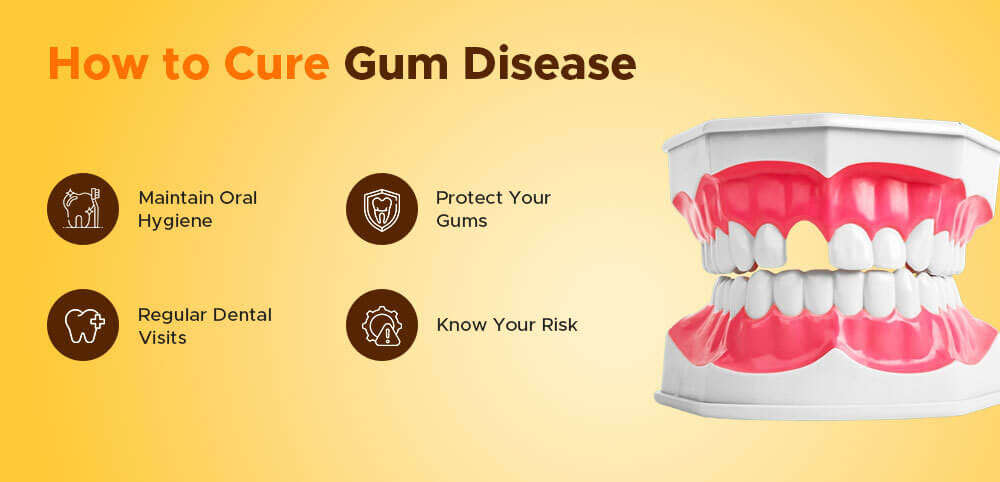
By following good oral hygiene habits, making healthy lifestyle choices, and visiting your dentist regularly, you can protect your gums and maintain a healthier smile.
What Is Gum Disease?
Gum disease, also known as periodontal disease, is an infection of the tissues that surround and support your teeth. It is usually caused by plaque buildup, a sticky layer of bacteria that forms on teeth throughout the day.
When plaque is not removed through regular brushing and flossing, it can harden into tartar. Tartar buildup can irritate the gums, leading to inflammation and infection.
The Two Main Stages of Gum Disease
Gum disease typically develops in two main stages:
- Gingivitis: The early stage of gum disease, causing red, swollen, or bleeding gums. Gingivitis can often be reversed with improved oral hygiene and professional cleaning.
- Periodontitis: A more advanced form of gum disease that can damage the tissues and bone supporting your teeth, potentially leading to tooth loss.
Understanding the early signs of gum disease is essential for preventing it from becoming more serious.
Brush Your Teeth Correctly Every Day
One of the most effective ways to protect your gums is by maintaining a consistent toothbrushing routine. Brushing removes plaque and bacteria that can cause gum irritation and infection.
Dentists recommend brushing your teeth twice a day using a soft-bristled toothbrush and fluoride toothpaste. Proper technique is just as important as brushing regularly.
Tips for Gum-Friendly Toothbrushing
To protect your gums while brushing:
- Use gentle circular motions instead of aggressive scrubbing.
- Brush along the gum line where plaque commonly collects.
- Clean all surfaces of your teeth, including hard-to-reach areas.
- Replace your toothbrush every three months or when bristles become worn.
- Avoid brushing too hard, as this can damage gum tissue.
A gentle but thorough brushing routine helps remove harmful bacteria while protecting your gums.
Floss Daily to Remove Hidden Plaque
Brushing alone cannot clean the spaces between your teeth. These areas can collect food particles and bacteria, increasing the risk of gum inflammation.
Daily flossing helps remove plaque from between teeth and below the gum line, where toothbrush bristles cannot reach.
How Flossing Helps Prevent Gum Disease
Regular flossing can help:
- Reduce bacteria buildup between teeth
- Prevent gum irritation and swelling
- Lower the risk of gingivitis
- Keep gums healthier and stronger
If traditional flossing is difficult, alternatives such as floss picks or water flossers may make it easier to clean between teeth consistently.
Watch for Early Signs of Gum Problems
Recognising the early warning signs of gum disease can help you seek treatment before the condition becomes more advanced. Healthy gums should generally appear pink, firm, and should not bleed during normal brushing or flossing.
Common Signs Your Gums Need Attention
Look out for:
- Bleeding gums when brushing or flossing
- Red, swollen, or tender gums
- Persistent bad breath
- Gum recession or teeth appearing longer
- Loose teeth
- Pain when chewing
- Pus around the gums
If you notice these symptoms, scheduling a dental appointment can help identify the cause and prevent further damage.
Maintain a Gum-Friendly Diet
Your diet plays an important role in supporting healthy gums. Certain foods provide nutrients that help strengthen gum tissue, while others can increase the risk of plaque buildup.
Foods That Support Healthy Gums
Choose foods that are rich in vitamins and minerals, including:
- Leafy green vegetables
- Crunchy fruits and vegetables
- Dairy products containing calcium
- Nuts and seeds
- Lean proteins
Vitamin C is especially important for gum health because it supports healthy connective tissues and helps maintain strong gums.
Foods and Habits That Can Harm Your Gums
Try to limit:
- Sugary snacks and drinks
- Frequent snacking throughout the day
- Sticky foods that remain on teeth
- Smoking and tobacco use
A balanced diet combined with good oral hygiene can significantly improve your gum health.
Stay Hydrated to Support Your Mouth’s Natural Protection
Saliva plays an important role in protecting your teeth and gums. It helps wash away food particles, neutralise harmful acids, and control bacteria levels in your mouth.
Drinking enough water throughout the day supports healthy saliva production and helps keep your mouth cleaner.
Why Water Is Good for Your Gums
Drinking water can help:
- Remove leftover food particles
- Reduce bacteria buildup
- Prevent dry mouth
- Support a healthier oral environment
If you experience ongoing dry mouth, speak with your dentist, as reduced saliva production can increase the risk of gum problems.
Visit Your Dentist for Regular Gum Checkups
Regular dental visits are essential for preventing gum disease. Professional cleanings remove tartar, which cannot be removed with normal brushing and flossing.
During a dental checkup, your dentist can examine your gums, measure gum health, identify early signs of disease, and recommend treatments or improvements to your oral care routine.
Professional Treatments That Help Protect Your Gums
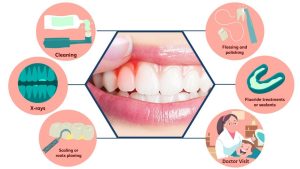
Depending on your needs, your dentist may recommend:
- Professional dental cleaning
- Deep cleaning for gum disease treatment
- Personalised brushing and flossing advice
- Ongoing monitoring of gum health
Preventive dental care is one of the most effective ways to maintain healthy gums.
Quit Smoking and Avoid Tobacco Products
Smoking and tobacco use are major risk factors for gum disease. Tobacco reduces blood flow to gum tissues, making it harder for your mouth to fight infections and heal properly.
Quitting tobacco can improve your gum health and reduce your risk of developing serious dental problems.
Final Thoughts
Learning how to protect your gums and prevent gum disease starts with simple daily habits. Brushing correctly, flossing regularly, eating a healthy diet, staying hydrated, avoiding tobacco, and visiting your dentist are all important steps for maintaining strong and healthy gums.
Healthy gums do more than support your teeth—they contribute to your overall oral health and quality of life. By paying attention to early warning signs and prioritising preventive care, you can protect your smile and reduce your risk of gum disease for years to come.