


Everything You Need to Know About Preventive Dental Care
Preventive dental care is one of the most effective ways to maintain a healthy smile and avoid serious oral health problems. Rather than waiting until you experience pain, discomfort, or visible dental issues, preventive dentistry focuses on protecting your teeth and gums through regular care, early detection, and healthy daily habits.
Many common dental problems, including cavities, gum disease, enamel erosion, and tooth loss, can often be reduced or avoided with the right preventive approach. By combining good oral hygiene at home with professional dental care, you can improve your oral health and maintain your smile for years to come.
What Is Preventive Dental Care?
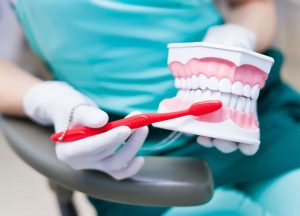
Preventive dental care refers to the practices and treatments designed to protect your teeth and gums before problems develop. The goal of preventive dentistry is to identify potential issues early, remove harmful bacteria, and create a strong foundation for lifelong oral health.
Preventive dental care includes daily habits such as brushing and flossing, regular dental checkups, professional teeth cleanings, fluoride treatments, dental sealants, and patient education. These steps help reduce the risk of dental disease and allow your dentist to monitor changes in your oral health.
Why Preventive Dentistry Is Important
Preventive dentistry is important because many dental conditions develop slowly and may not cause noticeable symptoms in their early stages. A small cavity or early gum inflammation can often be treated quickly when detected during a routine dental examination.
Without regular preventive care, minor problems can progress into more complex conditions that may require extensive treatments. Maintaining regular dental appointments and practicing good oral hygiene can help protect your smile and reduce the need for emergency dental procedures.
The Benefits of Preventive Dental Care
Preventive dental care provides benefits that go beyond keeping your teeth looking clean and attractive. A healthy mouth contributes to your overall health, confidence, and quality of life.
1. Prevents Tooth Decay and Cavities
Tooth decay occurs when bacteria in your mouth produce acids that attack tooth enamel. Over time, this process can create cavities that require dental fillings or other restorative treatments.
Brushing with fluoride toothpaste, flossing daily, limiting sugary foods, and attending regular dental visits can help prevent cavities. Your dentist can also identify early signs of enamel damage before decay becomes more serious.
2. Protects Against Gum Disease
Gum disease is one of the most common oral health problems affecting adults. It begins with plaque buildup around the gumline, which can cause inflammation, redness, and bleeding.
Regular dental cleanings remove plaque and tartar that cannot always be eliminated through brushing alone. Preventive care helps keep your gums healthy and lowers your risk of developing advanced periodontal disease.
3. Saves Time and Money
Preventive dental care can help reduce the need for expensive and complex treatments. Addressing small dental issues early is usually simpler, more comfortable, and more affordable than treating advanced problems.
Regular checkups allow your dentist to monitor your oral health and recommend treatments only when necessary, helping you make informed decisions about your dental care.
Essential Components of Preventive Dental Care
A successful preventive dental routine combines professional dental services with consistent habits at home. Both elements are important for maintaining strong teeth and healthy gums.
Regular Dental Checkups
Routine dental examinations allow your dentist to assess your oral health and identify potential concerns before they become major problems. During a dental checkup, your dentist may examine your teeth, gums, bite, and overall mouth health.
Dental visits may also include X-rays when needed to detect issues that are not visible during a standard examination, such as cavities between teeth or changes below the gumline.
Professional Teeth Cleanings
Even with excellent brushing and flossing habits, plaque can build up in hard-to-reach areas. When plaque hardens into tartar, it cannot be removed with regular brushing.
Professional dental cleanings help remove tartar, polish teeth, and leave your mouth feeling fresh. Cleanings also help prevent gum inflammation and support healthier gums.
Fluoride Treatments
Fluoride is a natural mineral that helps strengthen tooth enamel and protect teeth from decay. Dentists may recommend professional fluoride treatments for children and adults who have an increased risk of cavities.
Fluoride treatments are quick, safe, and can provide additional protection as part of a comprehensive preventive dental care plan.
Dental Sealants
Dental sealants are protective coatings applied to the chewing surfaces of back teeth. These areas often contain grooves where food particles and bacteria can collect, making them more vulnerable to cavities.
Sealants create a barrier that helps protect teeth from decay, especially in children and teenagers who may have difficulty cleaning these areas thoroughly.
Daily Habits for Better Preventive Dental Care
Professional dental care works best when combined with healthy habits at home. Small daily actions can have a significant impact on your oral health.
Brush Your Teeth Twice Daily
Brushing your teeth in the morning and before bed helps remove plaque, bacteria, and food particles. Use a soft-bristled toothbrush and fluoride toothpaste, and brush for approximately two minutes each time.
Floss Every Day
Flossing cleans areas between your teeth that toothbrushes cannot reach. Daily flossing helps prevent plaque buildup and reduces your risk of cavities and gum disease.
Maintain a Healthy Diet
The foods and drinks you consume can influence your dental health. Limiting sugary snacks and acidic beverages helps protect tooth enamel, while nutrient-rich foods support strong teeth and healthy gums.
Drinking plenty of water also helps wash away food particles and supports saliva production, which naturally protects your teeth.
Preventive Dental Care for Different Stages of Life
Preventive dental care is important at every age. Children, teenagers, adults, and seniors all have unique oral health needs that require ongoing attention.
Preventive Care for Children
Children should begin visiting the dentist from an early age to establish healthy habits and monitor tooth development. Early dental visits help children become comfortable with dental care and allow dentists to identify potential concerns.
Preventive Care for Adults
Adults should continue regular dental checkups and maintain strong oral hygiene routines. Factors such as stress, lifestyle choices, medications, and aging can affect oral health, making preventive care especially important.
Preventive Care for Seniors
Older adults may experience increased risks of gum disease, tooth wear, dry mouth, and tooth loss. Regular dental visits help protect natural teeth and address age-related oral health changes.
When Should You Visit a Dentist?
Regular dental appointments are recommended even if your teeth feel healthy. Many dental issues can develop without obvious symptoms, so professional examinations are essential for early detection.
You should schedule a dental appointment if you experience symptoms such as tooth pain, bleeding gums, persistent bad breath, increased sensitivity, loose teeth, or changes in your bite.
Conclusion: Protect Your Smile With Preventive Dental Care
Preventive dental care is the foundation of long-term oral health. By combining regular dental checkups, professional cleanings, good oral hygiene habits, and healthy lifestyle choices, you can reduce your risk of dental problems and maintain a confident smile.
Taking care of your teeth before problems occur is one of the best investments you can make in your overall wellbeing. A proactive approach to dental care helps keep your teeth strong, your gums healthy, and your smile looking its best for the future.