


Diabetes and Gum Disease: How They Affect Each Other
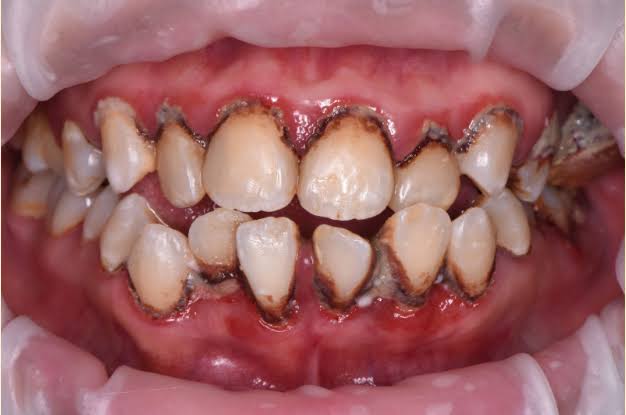
The relationship between diabetes and oral health is complex and deeply interconnected. People living with diabetes are at a significantly higher risk of developing Gum Disease, and at the same time, gum disease can make it harder to control blood sugar levels. This two-way relationship creates a cycle that can negatively impact overall health if not properly managed.
This article explores how diabetes and gum disease influence each other, why the connection exists, and what steps can be taken to break the cycle and improve both oral and general health.
Understanding Gum Disease
What Is Periodontal Disease?
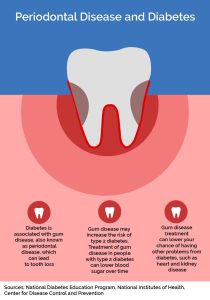
Gum disease, or periodontal disease, is a chronic inflammatory condition caused by bacterial infection in the gums and supporting structures of the teeth. It typically begins as gingivitis, which is characterized by red, swollen, and bleeding gums. If untreated, it can progress into periodontitis, a more severe form that leads to gum recession, bone loss, and potential tooth loss.
The condition develops when plaque accumulates along the gumline. This sticky bacterial film releases toxins that trigger inflammation. Over time, the body’s immune response to these bacteria can damage both gum tissue and the bone that supports teeth.
Why Gum Health Matters
Healthy gums are essential for maintaining strong teeth and overall oral function. When gum disease progresses, it can lead to pain, difficulty eating, bad breath, and eventually tooth loss. For people with chronic conditions like diabetes, gum health becomes even more critical.
Understanding Diabetes
How Diabetes Affects the Body
Diabetes is a metabolic disorder characterized by high blood sugar levels due to insufficient insulin production or insulin resistance. Over time, elevated blood glucose can damage blood vessels, nerves, and organs throughout the body.
There are two main types of diabetes:
Type 1 diabetes: The body does not produce insulin.
Type 2 diabetes: The body becomes resistant to insulin or does not produce enough.
Both types can affect oral health if blood sugar levels are not properly controlled.
Impact on Immune Function
High blood sugar weakens the immune system, making it harder for the body to fight infections, including bacterial infections in the gums. This increased susceptibility plays a major role in the development and progression of gum disease in diabetic patients.
How Diabetes Increases the Risk of Gum Disease
Higher Blood Sugar Encourages Bacterial Growth
Elevated glucose levels in saliva and blood create an environment where harmful bacteria can thrive. These bacteria accumulate in dental plaque and along the gumline, increasing the risk of inflammation and infection.
Reduced Blood Flow to Gum Tissues
Diabetes can damage blood vessels over time, reducing circulation to the gums. Poor blood flow limits the delivery of oxygen and nutrients needed for healthy tissue repair, making gums more vulnerable to infection and slower to heal.
Weakened Immune Response
People with uncontrolled diabetes often have impaired white blood cell function. This reduces the body’s ability to fight bacterial infections in the mouth, allowing gum disease to progress more rapidly and become more severe.
How Gum Disease Affects Diabetes
Increased Blood Sugar Levels
Gum disease is a chronic inflammatory condition, and inflammation can make it harder for the body to regulate blood sugar levels. Infected gum tissues release inflammatory chemicals into the bloodstream, which can increase insulin resistance and raise glucose levels.
Greater Difficulty Managing Diabetes
Studies show that individuals with untreated gum disease often struggle to maintain stable blood sugar control. This creates a cycle where high blood sugar worsens gum disease, and gum disease worsens blood sugar control.
Risk of Complications
Uncontrolled diabetes combined with severe gum disease increases the risk of complications such as cardiovascular disease, kidney problems, and delayed wound healing after dental procedures or injuries.
The Two-Way Relationship Between Diabetes and Gum Disease
A Vicious Cycle of Inflammation
Diabetes increases inflammation in the body, and gum disease adds further inflammatory burden. Together, they create a cycle where each condition worsens the other. Without intervention, this cycle can lead to progressive oral and systemic health decline.
Shared Risk Factors
Both conditions share common risk factors, including:
Poor diet high in sugar and processed foods
Smoking and tobacco use
Sedentary lifestyle
Genetic predisposition
Poor oral hygiene
Addressing these risk factors can significantly improve outcomes for both conditions.
Signs of Gum Disease in Diabetic Patients
Early Warning Symptoms
People with diabetes should be especially alert to early signs of gum disease, including:
Red or swollen gums
Bleeding while brushing or flossing
Persistent bad breath
Gum tenderness or discomfort
Because diabetes can mask symptoms, regular dental check-ups are essential for early detection.
Advanced Symptoms
If gum disease progresses, symptoms may include:
Gum recession
Loose teeth
Pus between gums and teeth
Changes in bite alignment
At this stage, professional treatment becomes necessary to prevent tooth loss.
Prevention and Management Strategies
Controlling Blood Sugar Levels
The most important step in preventing gum disease for diabetic patients is maintaining stable blood glucose levels. Proper diabetes management through medication, diet, and exercise helps reduce inflammation and infection risk.
Maintaining Excellent Oral Hygiene
Daily oral care is critical and should include:
Brushing twice daily with fluoride toothpaste
Flossing once daily to remove plaque between teeth
Using antibacterial mouthwash if recommended by a dentist
Consistent oral hygiene reduces bacterial buildup and protects gum health.
Regular Dental Visits
People with diabetes should visit the dentist more frequently than the general population. Professional cleanings remove hardened plaque (tartar) and allow early detection of gum disease before it becomes severe.
Professional Treatment Options
Non-Surgical Treatments
Early to moderate gum disease is often treated with scaling and root planing, a deep cleaning procedure that removes plaque and tartar below the gumline and smooths root surfaces to promote healing.
Advanced Periodontal Care
In severe cases, surgical treatment may be required to restore gum and bone health. Diabetic patients may require additional monitoring due to slower healing rates.
Lifestyle Changes to Improve Oral and Overall Health
Healthy Diet Choices
A balanced diet low in sugar and rich in nutrients supports both blood sugar control and gum health. Foods rich in vitamin C, calcium, and antioxidants help strengthen gums and reduce inflammation.
Exercise and Stress Management
Regular physical activity improves insulin sensitivity and reduces inflammation. Managing stress also plays a role in stabilizing blood sugar and supporting immune function.
Conclusion: Breaking the Cycle Between Diabetes and Gum Disease
The connection between diabetes and oral health is undeniable. Gum Disease is more common and more severe in people with diabetes, and untreated gum disease can make blood sugar control more difficult. This creates a harmful cycle that affects both oral and overall health.
However, this cycle can be broken. With proper diabetes management, strong oral hygiene habits, and regular dental care, individuals can significantly reduce their risk of complications. Early detection and consistent prevention are key to maintaining healthy gums and stable blood sugar levels.
Taking care of your mouth is an essential part of managing diabetes—and protecting your overall well-being.