


Smoking and Gum Disease: The Dangerous Connection Explained
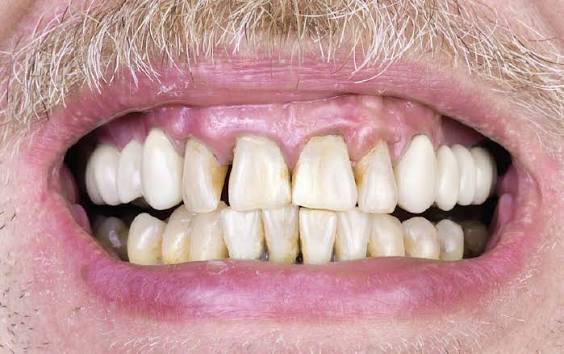
Smoking is one of the most significant preventable risk factors for oral health problems, particularly Gum Disease. While many people associate smoking with lung disease or heart problems, its impact on the gums is often underestimated. In reality, smokers are far more likely to develop severe gum disease, experience faster progression of the condition, and respond poorly to treatment.
This article explains the dangerous connection between smoking and gum disease, how tobacco damages oral tissues, and what can be done to reduce the risk.
What Is Gum Disease?
Understanding Periodontal Disease
Gum disease, also known as periodontal disease, is a chronic bacterial infection that affects the gums and supporting structures of the teeth. It begins as gingivitis, which causes redness, swelling, and bleeding gums. If left untreated, it can progress into periodontitis, a more severe form that leads to gum recession, bone loss, and eventual tooth loss.
The condition develops when plaque builds up along the gumline. This plaque contains harmful bacteria that trigger inflammation. Over time, the immune system’s response to these bacteria can damage gum tissue and bone.
Why Early Detection Matters
Early stages of gum disease are reversible with proper oral hygiene and dental care. However, once it progresses, the damage becomes more difficult to treat and may require professional intervention such as deep cleaning or surgery.
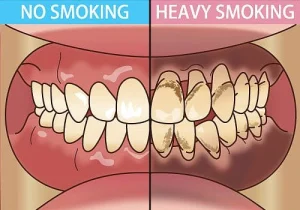
Smoking significantly increases the risk of missing these early warning signs, making the condition more dangerous.
How Smoking Affects Oral Health
Reduced Blood Flow to the Gums
One of the most harmful effects of smoking is reduced blood circulation. Nicotine causes blood vessels to narrow, limiting oxygen and nutrient supply to gum tissues. This weakened blood flow makes it harder for the gums to heal and fight infection.
As a result, smokers may not show typical signs of gum disease, such as bleeding gums, because the reduced circulation masks inflammation.
Weakened Immune Response
Smoking also impairs the immune system. White blood cells, which are responsible for fighting bacterial infections, become less effective in smokers. This allows harmful bacteria in dental plaque to thrive and spread more easily below the gumline.
The Direct Link Between Smoking and Gum Disease
Higher Risk of Developing Periodontitis
Smokers are significantly more likely to develop severe forms of gum disease compared to non-smokers. Studies consistently show that tobacco users have a higher incidence of periodontitis, especially if they smoke heavily or for long periods.
The chemicals in tobacco accelerate the breakdown of gum tissue and bone, leading to faster disease progression.
Hidden Symptoms in Smokers
One of the most dangerous aspects of smoking-related gum disease is that symptoms are often less noticeable. While non-smokers may experience bleeding gums or tenderness, smokers may not notice any discomfort until the disease has already advanced.
This delay in detection often results in more extensive damage before treatment begins.
How Smoking Affects Gum Disease Treatment
Slower Healing After Dental Procedures
Smoking reduces the body’s ability to heal after dental treatments such as scaling and root planing or gum surgery. The restricted blood flow slows tissue regeneration, leading to prolonged recovery times.
Even minor dental procedures may take longer to heal in smokers compared to non-smokers.
Lower Success Rates of Treatment
Patients who smoke often experience less successful outcomes from periodontal therapy. The ongoing exposure to tobacco toxins continues to irritate gum tissues, making it difficult to fully eliminate infection or inflammation.
Dentists frequently report higher recurrence rates of gum disease in smokers.
Smoking and Tooth Loss
Increased Risk of Tooth Mobility
As gum disease progresses, it damages the bone that supports teeth. Smokers are at a much higher risk of bone loss, which leads to loose teeth and eventual tooth loss if untreated.
Long-Term Dental Consequences
Tooth loss not only affects appearance but also impacts chewing ability, speech, and overall quality of life. Smokers are more likely to require tooth replacements such as implants or dentures due to advanced periodontal damage.
Passive Smoking and Oral Health Risks
Secondhand Smoke Exposure
Even individuals who do not smoke themselves can be affected by tobacco exposure. Secondhand smoke has been linked to increased risk of gum inflammation and periodontal disease, particularly in children and non-smoking adults who live with smokers.
Impact on Children’s Dental Development
Children exposed to tobacco smoke may develop weaker gum tissues and are more prone to oral infections. Early exposure can also influence long-term oral health outcomes.
Can Quitting Smoking Reverse Gum Damage?
Benefits of Smoking Cessation
Quitting smoking significantly improves gum health. Blood flow begins to improve, the immune system becomes stronger, and the mouth’s ability to fight infection increases.
While some damage from advanced gum disease may be permanent, stopping smoking slows progression and improves treatment outcomes.
Improved Response to Dental Treatment
Former smokers respond better to periodontal therapy compared to current smokers. Healing times improve, and the risk of disease recurrence decreases over time.
Preventing Gum Disease in Smokers
Daily Oral Hygiene Practices
Smokers should be especially diligent with oral hygiene. Brushing twice daily with fluoride toothpaste and flossing once a day helps reduce plaque buildup.
Using antibacterial mouth rinses may also help control bacterial growth.
Regular Dental Check-Ups
Frequent dental visits are essential for smokers. Professional cleanings remove hardened plaque (tartar) that cannot be eliminated at home. Dentists can also detect early signs of gum disease before it becomes severe.
Professional Treatment Options
Deep Cleaning Procedures
Scaling and root planing is a common non-surgical treatment for gum disease. It removes plaque and tartar from below the gumline and smooths root surfaces to help gums reattach to teeth.
Advanced Surgical Treatments
In severe cases, surgical interventions may be required to restore gum and bone health. Smokers may need more intensive treatment due to the severity of tissue damage.
Conclusion: Breaking the Smoking–Gum Disease Cycle
The connection between smoking and gum disease is strong, well-documented, and highly dangerous. Smoking not only increases the risk of developing gum disease but also accelerates its progression and reduces the effectiveness of treatment.
Quitting smoking is one of the most powerful steps a person can take to improve oral health. Combined with proper oral hygiene and regular dental visits, stopping tobacco use can significantly reduce the risk of severe periodontal damage and tooth loss.
Protecting your gums is not just about dental care—it is also about lifestyle choices. Breaking the smoking habit can dramatically improve both oral and overall health outcomes.