


What to Expect Before, During, and After Dental Implant Surgery
Dental implant surgery is one of the most effective and long-lasting solutions for replacing missing teeth. It restores both function and appearance, helping patients regain a natural-looking smile and improved oral health. However, many people feel unsure about the process. Understanding what to expect before, during, and after dental implant surgery can help reduce anxiety and prepare you for a smooth experience.
This SEO-optimised guide explains the entire dental implant journey step-by-step, including preparation, the surgical procedure, healing, and long-term aftercare.
What Are Dental Implants?
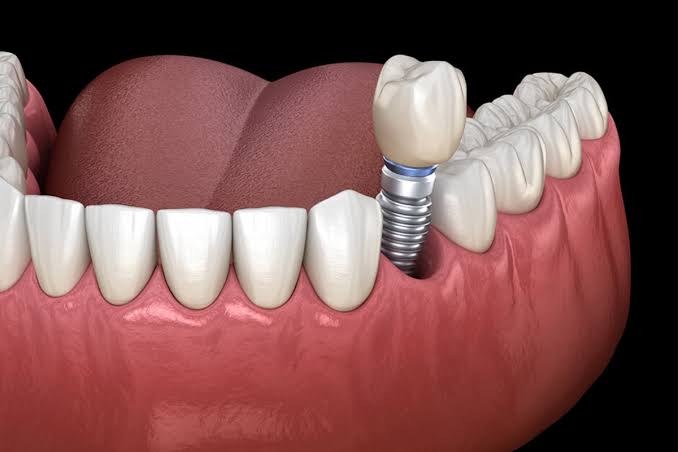
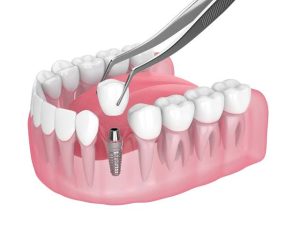
Dental implants are artificial tooth roots made from titanium or other biocompatible materials. They are surgically placed into the jawbone to support replacement teeth such as crowns, bridges, or dentures.
Over time, the implant fuses with the bone through a process called osseointegration, creating a stable foundation that functions like a natural tooth. This makes implants one of the most durable and reliable tooth replacement options available today.
Before Dental Implant Surgery: Preparation Phase
Initial Consultation and Assessment
The first step in the dental implant process is a comprehensive consultation with a dental professional. During this visit, your dentist will:
Review your medical and dental history
Take X-rays or 3D scans of your jaw
Assess bone density and gum health
Determine if you are a suitable candidate
This stage is essential for planning a safe and effective treatment strategy tailored to your needs.
Treatment Planning and Customisation
Once you are confirmed as a candidate, your dentist will create a personalised treatment plan. This plan outlines:
Number of implants required
Type of restoration (crown, bridge, or denture)
Whether bone grafting or extra procedures are needed
Estimated timeline for the full process
Advanced imaging technology helps ensure precise placement of the implant for optimal results.
Pre-Surgery Instructions
Before surgery, patients may be advised to:
Avoid eating or drinking for a few hours (if sedation is used)
Stop smoking to improve healing outcomes
Adjust certain medications if necessary
Arrange transportation home after the procedure
Following these instructions carefully helps reduce risks and improve recovery.
During Dental Implant Surgery: Step-by-Step Procedure
Step 1: Anaesthesia and Comfort
On the day of surgery, local anaesthesia is administered to numb the treatment area. In some cases, sedation dentistry may also be used to help patients feel relaxed and comfortable throughout the procedure.
You should not feel pain during the surgery, although mild pressure may be noticeable.
Step 2: Placing the Dental Implant
The dentist or oral surgeon makes a small incision in the gum to expose the jawbone. A precise hole is then drilled into the bone, and the titanium implant is carefully inserted.
Once placed, the gum tissue is stitched back over or around the implant site, depending on the technique used.
Step 3: Healing Cap or Temporary Tooth
In some cases, a healing cap is placed over the implant to guide gum healing. Alternatively, a temporary tooth may be fitted for aesthetic purposes while the implant integrates with the bone.
This surgical stage typically takes 30 minutes to a few hours depending on the number of implants being placed.
After Dental Implant Surgery: Recovery and Healing
Immediate Post-Surgery Care
After the procedure, it is normal to experience:
Mild swelling
Bruising around the gums or face
Minor bleeding
Discomfort once anaesthesia wears off
These symptoms usually subside within a few days. Pain relief medication and cold compresses are commonly recommended to manage discomfort.
Healing and Osseointegration Phase
The most important stage of recovery is osseointegration, where the implant fuses with the jawbone. This process can take anywhere from 3 to 6 months.
During this time, patients should:
Eat soft foods
Avoid hard or sticky foods
Maintain excellent oral hygiene
Attend follow-up appointments
Proper healing is essential for long-term implant success.
Long-Term Aftercare Instructions
Once healing is complete, your dentist will attach the permanent crown, bridge, or denture to the implant. After this stage, ongoing care is similar to natural teeth:
Brush twice daily using a soft toothbrush
Floss or use interdental brushes regularly
Visit the dentist for routine check-ups
Avoid smoking to prevent complications
Good oral hygiene helps ensure implants last for decades.
Common Recovery Timeline After Dental Implant Surgery
First 24–72 Hours
Swelling and discomfort peak
Soft diet is recommended
Rest is essential
First 1–2 Weeks
Stitches may be removed or dissolve
Gum tissue begins to heal
Normal activities can gradually resume
3–6 Months
Osseointegration completes
Implant becomes fully stable in the jawbone
After Final Restoration
Permanent tooth is attached
Full chewing and speaking function restored
Benefits of Dental Implant Surgery
Dental implants offer several advantages over traditional tooth replacement options:
Natural appearance and feel
Improved chewing ability
Prevention of bone loss
Long-term durability
No impact on adjacent teeth
Enhanced confidence and smile aesthetics
These benefits make dental implants one of the most trusted restorative dental treatments worldwide.
Possible Risks and Complications
Although dental implant surgery has a high success rate, there are some potential risks, including:
Infection at the Implant Site
Poor oral hygiene or pre-existing gum disease can increase the risk of infection.
Implant Failure
In rare cases, the implant may not properly integrate with the bone.
Nerve or Sinus Issues
Improper placement can sometimes affect nearby nerves or sinus cavities, although this is uncommon with modern imaging technology.
Choosing an experienced dental professional significantly reduces these risks.
Tips for a Smooth Recovery
To ensure the best outcome after dental implant surgery:
Follow all post-operative instructions carefully
Avoid smoking and alcohol during healing
Stick to a soft-food diet initially
Maintain excellent oral hygiene
Attend all follow-up appointments
Consistency in aftercare plays a major role in long-term implant success.
Conclusion
Understanding what to expect before, during, and after dental implant surgery helps patients feel more confident and prepared. From the initial consultation to final restoration, each stage plays a vital role in achieving a strong, natural-looking, and long-lasting smile.
With proper planning, skilled surgical care, and good aftercare, dental implants can provide a permanent solution for missing teeth and significantly improve quality of life.