

The Science Behind Tooth Caps: How They Protect Your Teeth
Tooth caps, also known as dental crowns, are more than just a cosmetic dental solution. They are scientifically engineered restorations designed to restore strength, protect weakened teeth, and maintain long-term oral health. By fully covering a damaged tooth, a crown acts like a protective shell that distributes pressure, prevents fracture, and seals the tooth from harmful bacteria.
This article explores the science behind tooth caps, explaining how they are designed, how they interact with natural tooth structure, and why they are so effective in protecting teeth from further damage.
What Is a Tooth Cap in Scientific Terms?
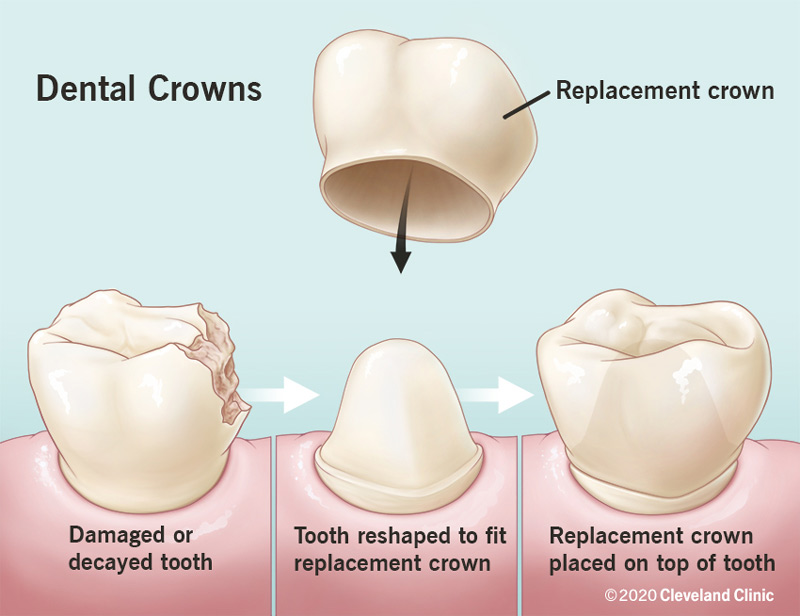
A tooth cap, or dental crown, is a prosthetic restoration that completely encases the visible portion of a tooth above the gum line. From a scientific perspective, it functions as a load-bearing protective structure that replaces lost tooth strength and restores biomechanical integrity.
Unlike fillings, which only restore part of a tooth, crowns redistribute chewing forces across the entire tooth surface.
How Dental Crowns Are Engineered
Dental crowns are custom-designed using precise measurements of a patient’s bite and tooth structure. Modern crowns are created using digital scanning and computer-aided design (CAD/CAM) technology, ensuring high accuracy and biomechanical compatibility.
Materials used include:
Porcelain
Zirconia
Porcelain-fused-to-metal (PFM)
Metal alloys
Each material is selected based on stress resistance, aesthetics, and functional requirements.
How Tooth Caps Protect Teeth Structurally
The primary scientific function of a tooth cap is structural reinforcement. Teeth naturally experience high levels of force during chewing, which can exceed hundreds of newtons. When a tooth is weakened, these forces can cause fractures.
Force Distribution and Stress Reduction
A dental crown works by redistributing biting forces evenly across the tooth. Instead of pressure being concentrated on weak or damaged areas, the crown spreads force across its entire surface.
This reduces:
Stress concentration points
Risk of crack propagation
Tooth flex under pressure
By controlling mechanical stress, crowns significantly reduce the likelihood of tooth failure.
Fracture Prevention Mechanism
Cracks in teeth tend to grow when exposed to repeated force. A crown stabilises the tooth by holding all remaining structure together.
This “encasement effect” prevents micro-movements within the tooth, stopping cracks from expanding deeper into the root.
Biological Protection Provided by Tooth Caps
Beyond mechanical strength, tooth caps also provide biological protection by sealing the tooth from bacteria and environmental exposure.
Sealing Against Bacterial Infiltration
When a tooth is damaged or decayed, microscopic openings allow bacteria to enter the inner layers. This can lead to infection or abscess formation.
A dental crown acts as a sealed barrier, preventing bacterial penetration and reducing the risk of reinfection after procedures such as root canal treatment.
Protection of the Dental Pulp
The dental pulp contains nerves and blood vessels that keep the tooth alive. When enamel and dentine are compromised, the pulp becomes vulnerable.
A crown protects the remaining tooth structure, indirectly safeguarding the pulp from temperature changes, bacterial exposure, and physical trauma.
Material Science Behind Dental Crowns
The effectiveness of tooth caps depends heavily on the materials used. Each material has unique properties that determine its strength, flexibility, and longevity.
Zirconia: High-Strength Ceramic
Zirconia is one of the most advanced materials used in modern dentistry. It is known for its exceptional fracture resistance and durability.
Scientific advantages include:
High flexural strength
Resistance to crack propagation
Biocompatibility with gum tissue
Zirconia crowns are ideal for high-stress areas like molars.
Porcelain: Aesthetic Biomimicry
Porcelain crowns are designed to mimic the optical properties of natural enamel, including translucency and light reflection.
While not as strong as zirconia, porcelain provides excellent aesthetics and is often used for front teeth where appearance is important.
Metal Alloys: Mechanical Durability
Metal crowns, often made from gold or other alloys, offer superior durability and wear resistance.
Their scientific benefits include:
High tensile strength
Resistance to fracture
Minimal wear on opposing teeth
They are particularly effective for long-term molar restorations.
Porcelain-Fused-to-Metal (PFM)
PFM crowns combine a metal substructure with a porcelain exterior. This hybrid design offers both strength and aesthetics.
However, differences in thermal expansion between materials can sometimes cause minor wear or marginal visibility over time.
How Tooth Caps Restore Functionality
One of the most important roles of a dental crown is restoring the functional biomechanics of the mouth.
Restoring Occlusion (Bite Alignment)
When a tooth is damaged, bite alignment can become uneven. This leads to excessive pressure on surrounding teeth and jaw muscles.
A crown restores proper occlusion by rebuilding the original tooth height and shape, ensuring balanced contact during chewing.
Improved Chewing Efficiency
Damaged teeth reduce chewing efficiency because they cannot withstand normal pressure. A crown restores surface integrity, allowing effective grinding and tearing of food.
This improves digestion and reduces strain on other teeth.
How Crowns Prevent Long-Term Oral Damage
Tooth caps are not just restorative—they are preventative devices that reduce the risk of future dental complications.
Preventing Tooth Loss
By reinforcing weak teeth, crowns reduce the likelihood of extraction. Preserving natural teeth helps maintain jawbone density and oral stability.
Preventing Tooth Migration
When a damaged tooth is left untreated, surrounding teeth may shift into empty spaces. Crowns help maintain alignment and prevent spacing issues.
Reducing Wear on Adjacent Teeth
A properly restored crown ensures even force distribution, preventing excessive wear on neighbouring teeth caused by uneven biting pressure.
The Dental Crown Placement Process
The placement of a tooth cap follows a scientifically structured clinical process.
Step 1: Tooth Preparation
The dentist reshapes the tooth by removing damaged or decayed material. This creates a stable foundation for the crown.
Step 2: Digital or Physical Impression
A precise model of the tooth is created using either traditional impressions or digital scanning technology.
Step 3: Crown Fabrication
The crown is manufactured using CAD/CAM systems or laboratory fabrication techniques, ensuring exact fit and biomechanical accuracy.
Step 4: Cementation and Bonding
The crown is permanently bonded using dental cement that provides strong adhesion while sealing the tooth from external exposure.
Longevity and Scientific Durability
The lifespan of a dental crown depends on material properties, oral hygiene, and bite forces.
Porcelain: 10–15 years
PFM: 10–20 years
Zirconia: 15–25 years
Metal: 20+ years
Scientific studies show that proper maintenance significantly increases crown longevity by reducing bacterial accumulation and mechanical stress.
Maintenance and Biological Compatibility
Dental crowns are designed to integrate safely with oral tissues. However, long-term success depends on maintenance.
Oral Hygiene Practices
Brushing and flossing prevent plaque buildup around crown margins, reducing the risk of gum disease.
Regular Dental Monitoring
Routine check-ups ensure that crowns remain properly sealed and that surrounding tissues stay healthy.
Avoiding Excessive Force
Avoiding habits such as teeth grinding or chewing hard objects helps prevent mechanical failure.
Conclusion
The science behind tooth caps combines biomechanics, material engineering, and biological protection to restore and preserve damaged teeth. Dental crowns work by redistributing force, sealing against bacteria, and reinforcing weakened tooth structures.
By using advanced materials such as zirconia, porcelain, and metal alloys, crowns provide both strength and longevity while maintaining natural appearance and function. They are one of the most effective solutions in modern dentistry for protecting teeth and ensuring long-term oral health stability.