

What Are Tooth Caps? A Complete Guide to Dental Crowns
Tooth caps, more commonly known as dental crowns, are one of the most widely used restorative dental treatments in modern dentistry. They are designed to restore damaged, decayed, or weakened teeth while improving both function and appearance. If you’ve ever been told you need a “cap” on your tooth, your dentist is referring to a crown that fully covers and protects the affected tooth.
This guide explains everything you need to know about tooth caps, including what they are, how they work, the different types available, the procedure, costs, and how to care for them. By the end, you’ll have a clear understanding of whether a dental crown is the right solution for your oral health needs.
What Is a Tooth Cap (Dental Crown)?
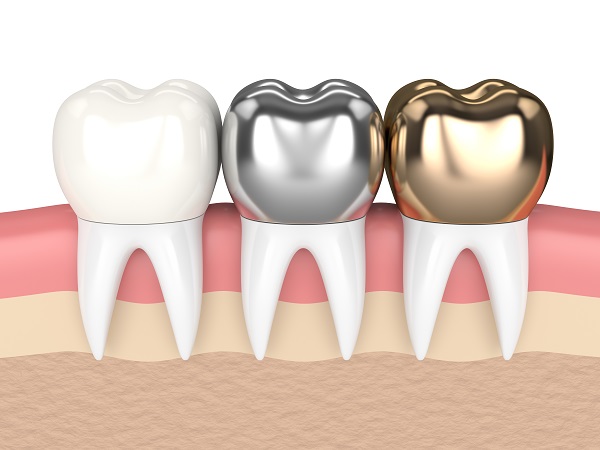
A tooth cap, or dental crown, is a custom-made restoration that fits over a damaged or weakened tooth. It is shaped like a natural tooth and is permanently cemented in place to restore strength, function, and appearance.
Dental crowns are commonly recommended when a tooth cannot be restored with a simple filling. They cover the entire visible portion of the tooth above the gum line, acting like a protective shell.
Why Are Tooth Caps Used?
Dentists recommend tooth caps for several reasons, including:
Protecting a weak or cracked tooth from breaking further
Restoring a tooth after a large cavity or filling
Covering a dental implant
Supporting a tooth with a root canal treatment
Improving the appearance of discoloured or misshapen teeth
Essentially, a dental crown helps extend the life of a natural tooth while restoring normal chewing and speaking ability.
Types of Dental Crowns (Tooth Caps)
There are several types of tooth caps, and each has its advantages depending on durability, aesthetics, and cost.
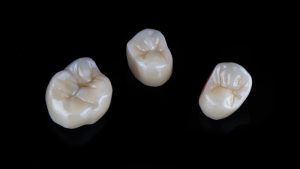
Porcelain or Ceramic Crowns
Porcelain and ceramic crowns are popular for front teeth because they closely resemble natural teeth. They offer excellent aesthetics and are often chosen for visible areas of the mouth.
Advantages include:
Natural appearance
Suitable for people with metal allergies
Good colour matching with surrounding teeth
However, they may not be as strong as metal-based crowns for heavy chewing areas.
Porcelain-Fused-to-Metal (PFM) Crowns
PFM crowns combine the strength of metal with the appearance of porcelain. They are widely used for both front and back teeth.
Advantages include:
Strong and durable
More natural appearance than full metal crowns
Suitable for long-term use
The downside is that the metal edge may sometimes become visible over time near the gum line.
Zirconia Crowns
Zirconia crowns are one of the strongest and most modern options available. They are made from zirconium dioxide, a highly durable ceramic material.
Advantages include:
Extremely strong and long-lasting
Natural-looking appearance
Resistant to cracking and chipping
They are often recommended for patients who grind their teeth or need back tooth restoration.
Metal Crowns
Metal crowns are made from gold, platinum, or base metal alloys.
Advantages include:
Very strong and durable
Minimal tooth structure removal required
Long lifespan
However, they are not aesthetically pleasing, which is why they are usually used for molars at the back of the mouth.
When Do You Need a Tooth Cap?
A dental crown is typically recommended when a tooth is severely compromised and cannot function properly on its own.
Common Situations Requiring Crowns
Large cavities that cannot be filled
Cracked or fractured teeth
Teeth weakened after root canal treatment
Worn-down teeth due to grinding (bruxism)
Cosmetic improvements for misshapen or discoloured teeth
Supporting a dental bridge
If left untreated, damaged teeth can lead to further decay, infection, or even tooth loss.
The Dental Crown Procedure Step-by-Step
Getting a tooth cap usually requires two dental visits, although some clinics offer same-day crowns using digital technology.
Step 1: Examination and Preparation
The dentist examines the tooth using X-rays to determine if a crown is needed. The tooth is then reshaped by removing a thin outer layer to make space for the crown.
If the tooth is severely damaged, it may first be rebuilt with filling material.
Step 2: Impressions
After shaping the tooth, the dentist takes impressions or digital scans. These are sent to a dental laboratory where the custom crown is created to match your bite and tooth colour.
Step 3: Temporary Crown
A temporary crown is placed to protect the tooth while the permanent one is being made. This usually lasts about 1–2 weeks.
Step 4: Fitting the Permanent Crown
Once the permanent crown is ready, the dentist removes the temporary one and checks the fit, colour, and bite alignment. The crown is then cemented in place.
How Long Do Tooth Caps Last?
The lifespan of a dental crown depends on the material used and how well you care for your oral health.
Porcelain crowns: 10–15 years
Metal crowns: 15–20+ years
Zirconia crowns: 15–25 years
Good oral hygiene and regular dental check-ups can significantly extend their lifespan.
Benefits of Dental Crowns
Tooth caps offer several important benefits for oral health and overall well-being.
Restores Function
Crowns allow you to chew and bite normally again, especially if the tooth was previously weak or broken.
Improves Appearance
Modern crowns are designed to match natural teeth, improving your smile and confidence.
Protects Natural Teeth
By covering a damaged tooth, crowns prevent further decay or fractures.
Long-Lasting Solution
With proper care, dental crowns can last for many years without needing replacement.
Potential Risks and Considerations
While dental crowns are generally safe and effective, there are a few considerations:
Tooth sensitivity after placement
Possible discomfort during adjustment period
Risk of crown loosening or chipping over time
Need for replacement after many years
Choosing a skilled dentist and following aftercare instructions reduces these risks significantly.
How to Care for Your Tooth Cap
Taking care of a dental crown is similar to caring for natural teeth.
Daily Oral Hygiene
Brush twice daily using fluoride toothpaste
Floss carefully around the crown
Use an antibacterial mouthwash if recommended
Avoid Excessive Pressure
Avoid chewing very hard foods like ice or hard lollies that could damage the crown.
Regular Dental Visits
Routine check-ups ensure the crown remains in good condition and the surrounding teeth stay healthy.
Cost of Tooth Caps
The cost of dental crowns varies depending on materials, location, and complexity of the procedure. Factors influencing price include:
Type of crown material
Dentist’s experience
Laboratory fees
Additional treatments required (such as root canals)
Although crowns can be an investment, they are often more cost-effective long-term compared to repeated tooth repairs or extractions.
Conclusion
Tooth caps, or dental crowns, are a reliable and long-lasting solution for restoring damaged or weakened teeth. Whether you need to protect a cracked tooth, restore function after a root canal, or improve your smile, dental crowns offer both strength and aesthetics.
With various materials available—such as porcelain, zirconia, and metal—patients can choose an option that best suits their needs and budget. By maintaining good oral hygiene and regular dental visits, a dental crown can last many years and significantly improve your oral health and confidence.