

Life with Braces: Foods to Avoid and Care Tips
Living with braces is an important step toward achieving a healthier, straighter smile. While orthodontic treatment delivers long-term benefits, it also requires adjustments to your daily routine—especially when it comes to eating habits and oral hygiene. Understanding which foods to avoid and how to properly care for your braces can help prevent damage, reduce discomfort, and ensure your treatment stays on track.
In this guide, we’ll cover everything you need to know about life with braces, including the best care tips, dietary restrictions, and practical advice for a smooth orthodontic journey.
Understanding Life with Braces
Braces are fixed orthodontic appliances used to gradually move teeth into proper alignment. They consist of brackets attached to each tooth and connected by wires that apply gentle pressure over time. While highly effective, braces require extra care because food particles can easily get trapped, and certain foods can damage the hardware.
Adjusting to life with braces typically takes a few weeks. During this time, patients may experience mild discomfort, sensitivity, and changes in eating habits. However, with the right care routine, these challenges become manageable.
Why Diet and Care Matter
Proper diet and oral hygiene are essential for successful orthodontic treatment. Poor care can lead to:
Broken brackets or wires
Tooth decay
Gum inflammation
Delayed treatment progress
Following orthodontic guidelines ensures your braces work effectively and your teeth stay healthy throughout the process.
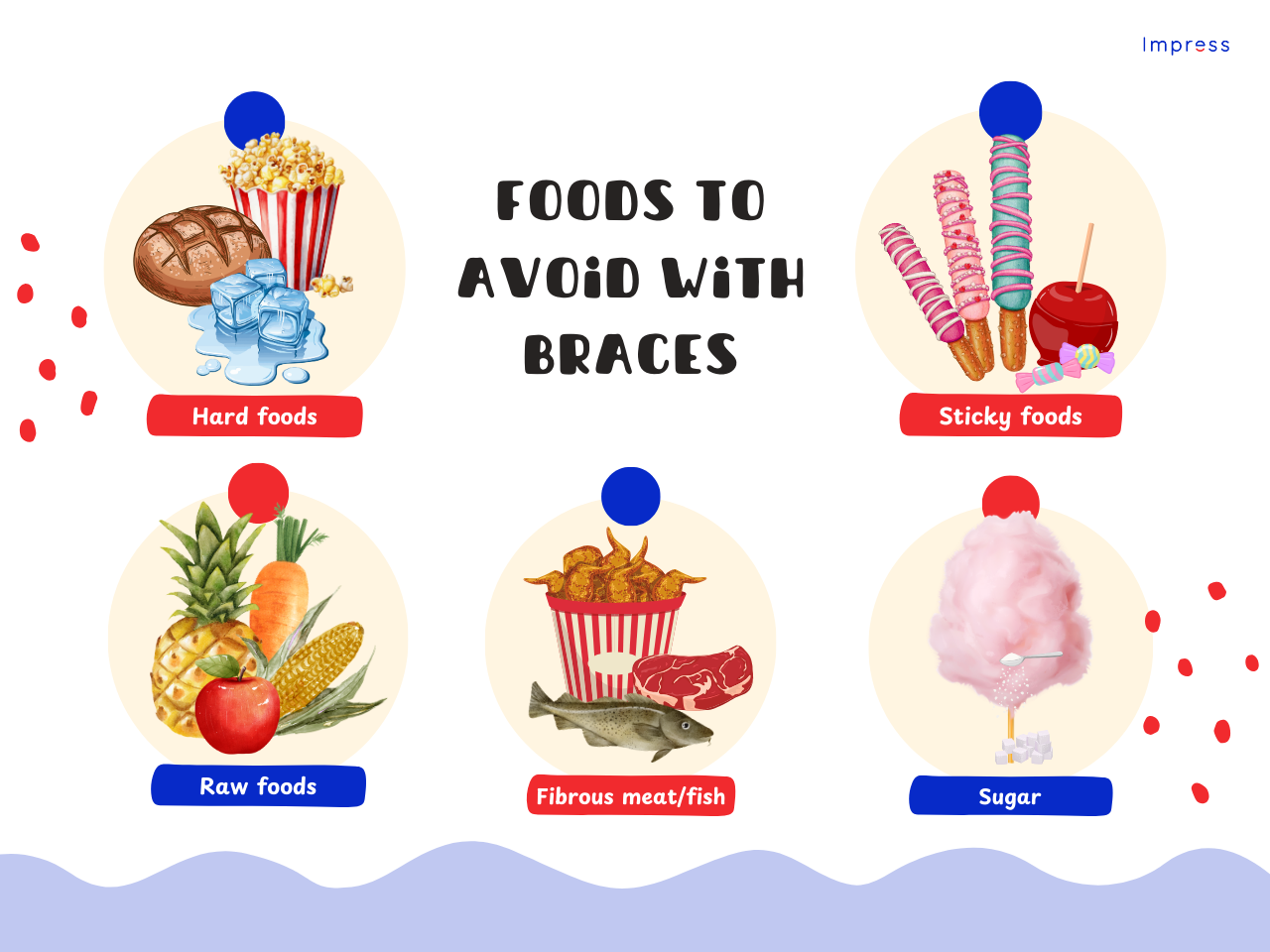
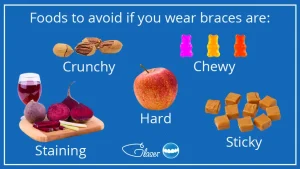
Foods to Avoid with Braces
Certain foods can damage braces or make cleaning difficult. Avoiding these foods helps protect your orthodontic appliances and prevents unnecessary appointments for repairs.
Hard Foods
Hard foods can break brackets or bend wires. It is best to avoid:
Nuts and hard seeds
Hard candies
Ice cubes
Popcorn kernels
Crusty bread
Instead, opt for softer alternatives that are easier to chew.
Sticky and Chewy Foods
Sticky foods can get stuck in braces and are difficult to clean. They can also pull on wires and brackets.
Avoid:
Chewing gum
Caramel and toffee
Lollies and gummy candies
Sticky chocolate bars
These foods increase the risk of plaque buildup and damage.
Crunchy Foods
Crunchy foods can place pressure on braces and lead to breakage.
Chips and crisps
Raw carrots (unless cut into small pieces)
Hard taco shells
Toasted bagels
If you eat crunchy foods, try breaking them into smaller, softer portions.
Foods That Require Biting into
Foods that require biting directly with front teeth can dislodge brackets.
Avoid:
Whole apples
Corn on the cob
Whole carrots
Instead, cut these foods into bite-sized pieces before eating.
Foods You Can Safely Eat with Braces
While there are restrictions, there are still plenty of delicious and nutritious foods you can enjoy.
Soft Foods
Soft foods are ideal for braces wearers, especially during the first few days after adjustments.
Examples include:
Mashed potatoes
Yogurt
Scrambled eggs
Pasta
Soup
These foods are easy to chew and gentle on braces.
Fruits and Vegetables
You can still enjoy fruits and vegetables by preparing them properly.
Safe options include:
Bananas
Berries
Cooked vegetables
Apples sliced into small pieces
This ensures you maintain a balanced diet while protecting your braces.
Dairy and Protein Foods
Dairy and protein-rich foods help support healthy teeth and gums.
Good choices include:
Cheese
Milk
Soft chicken
Fish
Tofu
These foods also help strengthen enamel during orthodontic treatment.
Braces Care Tips for Everyday Life
Proper care is essential to keep braces clean and functioning effectively. A good oral hygiene routine prevents complications and keeps your smile healthy throughout treatment.
Brush After Every Meal
Brushing after eating helps remove food particles stuck in braces. Use a soft-bristled toothbrush and fluoride toothpaste to gently clean around brackets and wires.
Spend extra time ensuring all areas are cleaned properly, especially near the gum line.
Floss Daily
Flossing with braces can be challenging, but it is essential for preventing plaque buildup. Special orthodontic floss threaders or water flossers can make the process easier.
Daily flossing helps prevent cavities and gum disease during treatment.
Use Mouthwash
An antibacterial mouthwash can help reduce plaque and keep your mouth fresh. It reaches areas that brushing and flossing might miss.
This is especially useful for patients with braces, as food particles can easily get trapped.
Attend Regular Orthodontic Checkups
Regular appointments with your orthodontist are necessary to adjust braces and monitor progress. Missing appointments can delay treatment and lead to complications.
Your orthodontist will also check for broken brackets or wires and make necessary repairs.
Managing Discomfort with Braces
It is normal to experience mild discomfort, especially after adjustments. Fortunately, there are simple ways to manage it.
Use Orthodontic Wax
Orthodontic wax can be applied to brackets or wires that cause irritation inside the mouth. It creates a smooth surface and reduces friction.
Eat Soft Foods During Adjustment Periods
After tightening appointments, your teeth may feel sensitive. Eating soft foods can help reduce discomfort while your mouth adjusts.
Take Over-the-Counter Pain Relief if Needed
If recommended by your orthodontist, mild pain relief medication can help manage soreness during the first few days after adjustments.
Common Mistakes to Avoid with Braces
Avoiding common mistakes can help ensure a smooth orthodontic experience.
Skipping Oral Hygiene
Neglecting brushing or flossing can lead to staining, cavities, and gum problems.
Eating Restricted Foods
Even occasional consumption of hard or sticky foods can damage braces and extend treatment time.
Ignoring Broken Brackets or Wires
If a bracket breaks or a wire becomes loose, contact your orthodontist immediately to prevent further issues.
How to Maintain Long-Term Results After Braces
Once braces are removed, maintaining results is just as important as the treatment itself.
Wear Retainers as Directed
Retainers help keep teeth in their new position. Not wearing them as instructed can lead to teeth shifting back.
Continue Good Oral Hygiene
Brushing and flossing should remain a daily habit even after braces are removed.
Regular Dental Visits
Routine dental checkups help ensure your teeth remain healthy and aligned after treatment.
Final Thoughts on Life with Braces
Life with braces requires adjustments, especially in diet and oral care habits. By avoiding certain foods, maintaining proper hygiene, and following your orthodontist’s advice, you can ensure a smooth and successful treatment journey.