

A First-Timer’s Guide to Getting Your Teeth Cleaned at the Dentist
Visiting the dentist for the first time—or even the first time in a long time—can feel uncertain. Many people are unsure what actually happens during a professional teeth cleaning, whether it hurts, and what they should expect from start to finish. The good news is that a dental cleaning is a routine, safe, and highly beneficial procedure designed to improve your oral health and prevent future problems.
This first-timer’s guide to getting your teeth cleaned at the dentist explains each step of the process, what you might feel, how to prepare, and why it is one of the most important preventive health appointments you can schedule.
Why Your First Dental Cleaning Matters
Your first dental cleaning is more than just a check-up—it sets the foundation for your long-term oral health. Even if you brush and floss regularly, plaque and tartar can still build up in hard-to-reach areas.
Removing Hidden Buildup
Plaque is a sticky film of bacteria that forms on teeth every day. When it hardens into tartar, it cannot be removed at home and requires professional cleaning.
Preventing Future Dental Problems

Early cleanings help prevent cavities, gum disease, and bad breath. They also allow your dentist to identify potential issues before they become serious.
Building a Dental Care Routine
Your first visit also helps your dental team understand your oral health needs and create a personalised care plan for future appointments.
What to Expect Before Your Teeth Cleaning
Understanding the initial steps can help reduce anxiety and make your appointment feel more comfortable.
Medical and Dental History Review
Your dentist or dental hygienist will ask about your medical history, medications, allergies, and previous dental treatments. This helps ensure safe and appropriate care.
Initial Oral Examination
Before the cleaning begins, a quick examination is performed using a small mirror and light to check your teeth, gums, and mouth for signs of decay, inflammation, or other issues.
X-Rays (If Needed)
For first-time patients or those who haven’t had recent dental care, X-rays may be taken to detect hidden problems such as cavities between teeth or issues below the gumline.
Step-by-Step: What Happens During a Teeth Cleaning
A professional dental cleaning follows a structured process designed to thoroughly clean your teeth while keeping you comfortable.
Step 1: Scaling to Remove Plaque and Tartar
The dental hygienist uses special tools to remove plaque and hardened tartar from the surface of your teeth and along the gumline. This step is essential for preventing gum disease.
Step 2: Deep Cleaning Between Teeth
Using precision instruments or ultrasonic devices, the hygienist carefully cleans between teeth where toothbrushes and floss may not fully reach.
Step 3: Polishing the Teeth
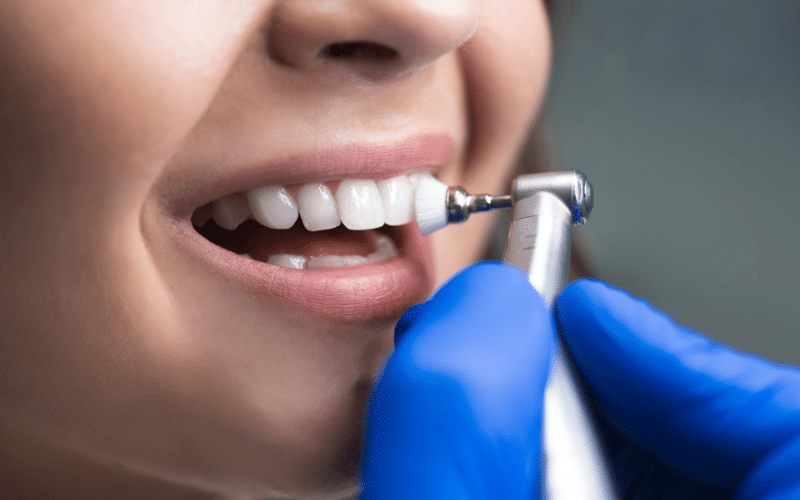
After scaling, your teeth are polished using a gritty toothpaste and a rotating brush. This removes surface stains and leaves your teeth feeling smooth and clean.
Step 4: Professional Flossing
Even if you floss at home, the hygienist will floss your teeth to ensure all remaining debris is removed and to check for sensitive or inflamed areas.
Step 5: Fluoride Treatment (Optional)
A fluoride gel, foam, or varnish may be applied to strengthen your enamel and help protect against future cavities.
Does Getting Your Teeth Cleaned Hurt?
One of the most common concerns for first-time patients is whether the procedure is painful. In most cases, dental cleanings are not painful at all.
What You Might Feel
You may experience mild pressure, scraping sensations, or slight sensitivity, especially if there is significant plaque or gum inflammation.
Sensitive Teeth and Gums
If your gums are inflamed or you have not had a cleaning in a long time, you may feel some tenderness. However, dental professionals work gently and can adjust their approach if needed.
Communication Is Key
Let your hygienist know if you feel discomfort. They can pause, adjust tools, or offer numbing options if necessary.
How Long Does a First Dental Cleaning Take?
Your first appointment may take longer than future visits because of the initial assessment and extra care needed.
Typical Appointment Length
Most first-time dental cleanings take between 45 minutes and 90 minutes.
Factors That Affect Timing
The length depends on the amount of plaque buildup, gum health, whether X-rays are taken, and if additional treatments are needed.
Extra Time for First Visits
Dentists often spend more time explaining procedures and ensuring you feel comfortable during your first visit.
How to Prepare for Your First Dental Cleaning
A little preparation can help you feel more relaxed and confident.
Brush and Floss Before Your Appointment
While it won’t replace professional cleaning, brushing and flossing beforehand helps remove loose debris and freshens your mouth.
Arrive Early
Arriving a few minutes early gives you time to complete paperwork and settle in before your appointment.
Share Any Anxiety or Concerns
If you feel nervous, let the dental team know. Many clinics are experienced in helping anxious patients feel more at ease.
After Your Teeth Cleaning: What to Expect
Once your cleaning is complete, your mouth will feel noticeably different.
Immediate Sensations
Your teeth may feel smoother, cleaner, and sometimes slightly sensitive for a short period.
Fluoride Aftercare Instructions
If fluoride was applied, you may be asked to avoid eating or drinking for 30 minutes to allow it to fully absorb.
Personalised Dental Advice
Your dentist or hygienist will give you recommendations based on your oral health, including brushing techniques, flossing tips, and follow-up schedules.
Benefits of Regular Dental Cleanings After Your First Visit
Your first cleaning is just the beginning of maintaining a healthy smile.
Preventing Gum Disease and Cavities
Routine cleanings help remove harmful bacteria before they cause long-term damage.
Improving Breath and Appearance
Professional cleanings reduce bad breath and remove surface stains for a brighter smile.
Long-Term Oral Health Protection
Consistent dental care helps preserve your natural teeth and avoid costly treatments later.
Common Myths First-Time Patients Should Know
Many misconceptions can make people hesitant about visiting the dentist.
“Dental Cleanings Damage Teeth”
Professional cleanings are safe and do not damage enamel. They actually protect your teeth.
“Only People With Problems Need Cleanings”
Even healthy teeth need regular cleanings to stay that way.
“It’s Embarrassing to Have a Lot of Tartar”
Dental professionals see all levels of oral health every day. Their goal is to help, not judge.
Conclusion: Your First Step Toward a Healthier Smile
Your first dental cleaning is an important step in maintaining lifelong oral health. While it may feel unfamiliar at first, the process is straightforward, comfortable, and highly beneficial. From plaque removal and polishing to personalised advice, every part of the appointment is designed to protect your teeth and gums.
By understanding what to expect from your first visit, you can feel more confident walking into the dental chair and take an important step toward a healthier, brighter smile that lasts for years to come.