

What to Expect During Your First Teeth Cleaning
Visiting the dentist for your first teeth cleaning can feel a little intimidating, especially if you’ve never been through the process before. Understanding what happens during a professional cleaning can help ease anxiety and prepare you for a positive experience. A dental cleaning is not only about making your teeth look good—it’s an essential step in maintaining oral health, preventing cavities, and keeping your gums healthy.
In this article, we’ll walk you through everything you need to know about your first dental cleaning, including what to expect before, during, and after the procedure.
Why Your First Teeth Cleaning Matters
Your first teeth cleaning is more than just a cosmetic visit. It lays the foundation for healthy oral habits and provides your dentist with valuable information about your dental health.
Preventing Cavities and Gum Disease
Plaque and tartar buildup can lead to cavities and gum disease over time. Professional dental cleaning removes these deposits and helps prevent serious dental issues before they start.
Early Detection of Dental Problems
During your first cleaning, the dentist or hygienist will examine your teeth and gums closely. This allows them to identify early signs of cavities, gum disease, enamel erosion, or other oral health problems that might not be noticeable at home.
Creating a Personalized Oral Care Plan
Your first visit helps your dental team understand your unique oral health needs. They can recommend brushing and flossing techniques, fluoride treatments, or dietary tips tailored to your situation.
Preparing for Your First Teeth Cleaning
Being prepared can help make your first teeth cleaning easier and more comfortable.
Bring Your Dental History
If this is your first visit to a particular dental office, bring information about your dental history, including:
Past dental procedures
Known allergies
Any health conditions
Practice Good Oral Hygiene
Brush and floss your teeth before the appointment. While the cleaning will remove plaque and tartar, starting with a clean mouth makes the process smoother and more effective.
Know What Questions to Ask
Your first dental cleaning is a perfect time to ask questions about:
How often you should brush and floss
Which toothbrush and toothpaste are best for you
Signs of gum disease to watch for
How diet affects oral health
Step-by-Step: What Happens During Your First Teeth Cleaning
Understanding the process can make your first cleaning less intimidating. A typical dental cleaning usually follows these steps:
Step 1: Oral Examination
Before the cleaning begins, the dental hygienist or dentist will examine your teeth, gums, and mouth. They check for:
Signs of cavities
Gum inflammation or recession
Oral abnormalities
Plaque and tartar buildup
This initial assessment helps guide the cleaning process and ensures any issues are addressed promptly.
Step 2: Plaque and Tartar Removal
Using specialized dental tools, the hygienist carefully removes plaque and tartar from your teeth. Plaque is a soft, sticky film of bacteria, while tartar is hardened plaque that cannot be removed with regular brushing.
This step may feel a little uncomfortable at times, but it’s painless and essential for maintaining gum health and preventing cavities.
Step 3: Polishing Your Teeth
After removing tartar, your teeth are polished to remove surface stains and smooth the enamel. Polishing also makes it harder for plaque to accumulate, keeping your teeth cleaner for longer.
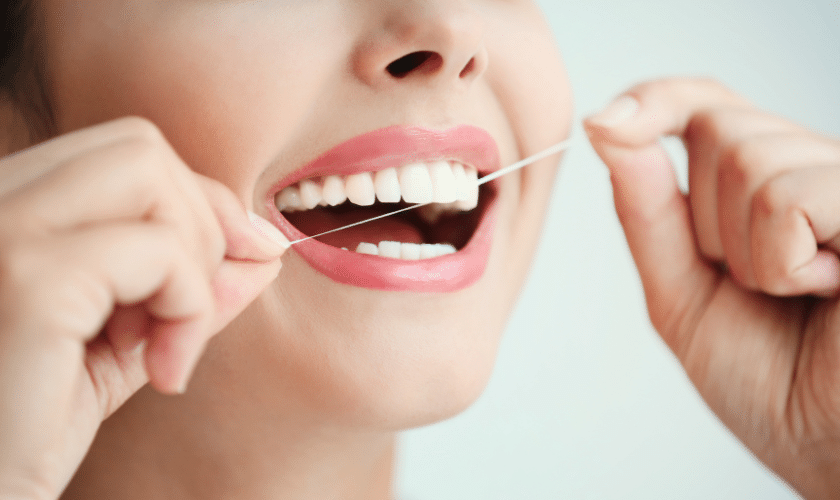
Step 4: Flossing
Professional flossing goes beyond what most people do at home. The hygienist carefully flosses between each tooth to remove trapped food and bacteria. This step also helps detect areas where your gums may be sensitive or inflamed.
Step 5: Fluoride Treatment (Optional)
Depending on your oral health needs, the dentist may apply a fluoride treatment to strengthen your enamel and provide extra protection against cavities.
After Your First Teeth Cleaning
Once your cleaning is complete, it’s important to follow your dentist’s recommendations to maintain your oral health.
Expect Minor Sensitivity
Some patients experience temporary sensitivity after a cleaning, especially if they have gum inflammation or cavities. This usually fades within a day or two.
Maintain Good Oral Hygiene at Home
Brushing twice a day, flossing daily, and using mouthwash if recommended will help maintain the benefits of your professional cleaning.
Schedule Your Next Cleaning
Most dental professionals recommend cleanings every six months, but your dentist may suggest a different schedule based on your individual oral health needs.
Tips to Make Your First Cleaning Comfortable
For a smooth experience, consider these tips:
Communicate With Your Hygienist
Let your hygienist know if you have any dental anxiety, sensitive teeth, or discomfort during cleaning. They can adjust techniques to make the process more comfortable.
Take Deep Breaths and Relax
Deep breathing can help reduce anxiety. Listening to music or bringing headphones may also make the experience more pleasant.
Don’t Skip Follow-Up Care
Follow any instructions provided by your dentist, such as avoiding certain foods after a fluoride treatment or using special toothpaste for sensitivity.
Common Questions About Your First Teeth Cleaning
Many patients have questions before their first cleaning. Here are answers to some common concerns:
Does a Teeth Cleaning Hurt?
Professional dental cleanings are generally painless. Some scraping or pressure may be felt when removing tartar, but it should not cause significant discomfort.
How Long Does a Teeth Cleaning Take?
A standard cleaning typically takes 45 to 60 minutes. Your first visit may take slightly longer due to the initial examination and paperwork.
Will My Teeth Be Sensitive After a Cleaning?
Mild sensitivity is normal, especially if tartar was removed or gums were inflamed. Sensitivity usually subsides within a day or two.
Final Thoughts: Your First Teeth Cleaning
Your first teeth cleaning is an important step in maintaining long-term oral health. It not only removes plaque and tartar but also allows your dentist to detect problems early, provide guidance on oral hygiene, and help you develop a personalized dental care plan.
By understanding what to expect, preparing for the appointment, and following your dentist’s recommendations afterward, you can make your first dental cleaning a positive and stress-free experience. Regular professional cleanings combined with consistent at-home oral care are the key to a healthy, bright, and confident smile.