


What Is Root Canal Therapy? A Complete Beginner’s Guide
Root canal therapy is one of the most common and effective dental procedures used to save a severely damaged or infected tooth. Despite its reputation, modern root canal treatment is safe, comfortable, and highly successful. If you’ve been told you may need a root canal—or you’re simply researching your options—this complete beginner’s guide will walk you through everything you need to know.
From understanding what root canal therapy is to learning about symptoms, procedures, recovery, and costs, this guide is designed to help you make informed decisions about your dental health.
What Is Root Canal Therapy?
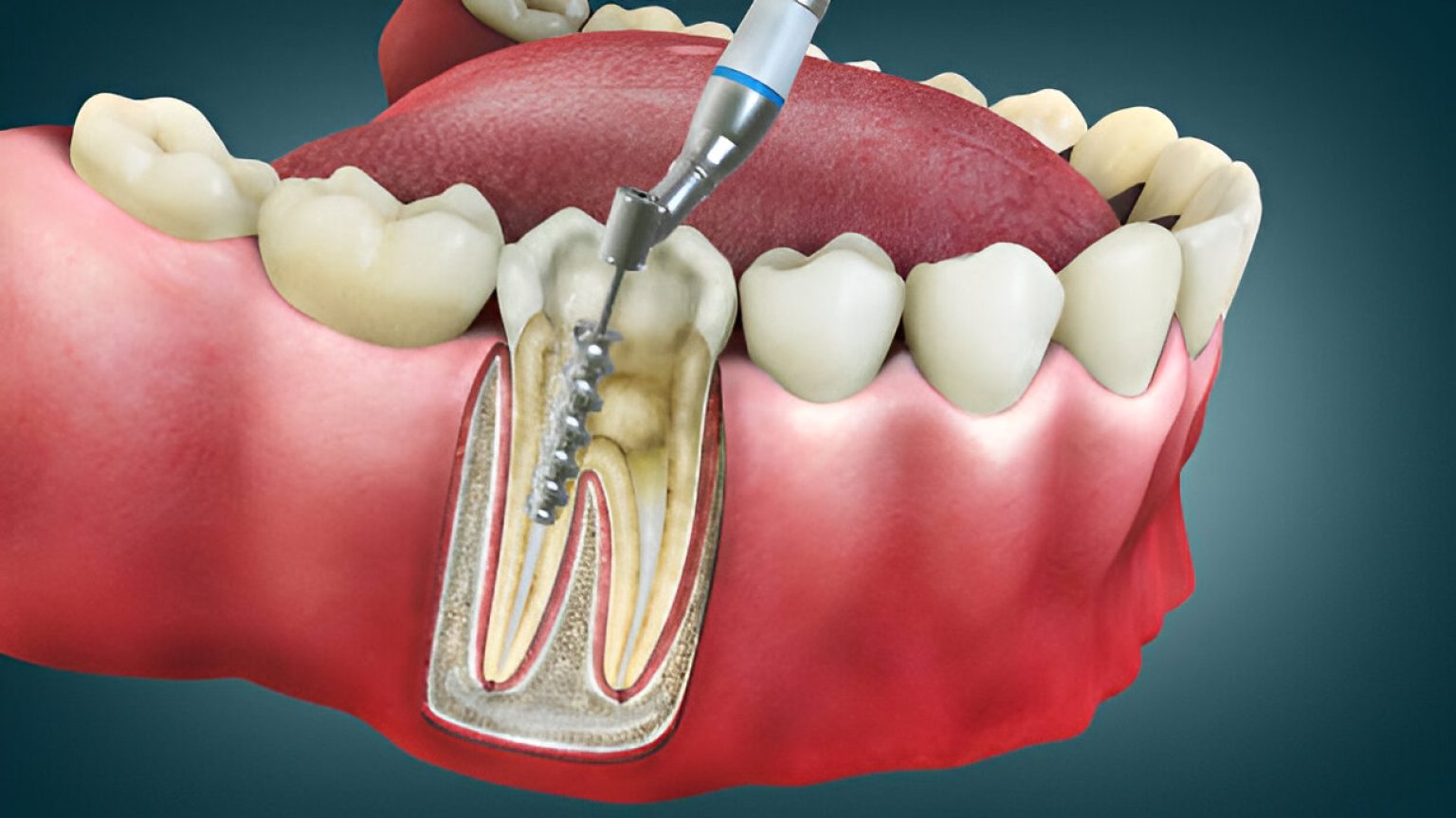
Root canal therapy, also known as endodontic treatment, is a dental procedure used to remove infected or inflamed pulp from inside a tooth. The pulp is the soft tissue located in the center of the tooth that contains nerves, blood vessels, and connective tissue.
When bacteria enter the pulp due to deep decay, cracks, trauma, or repeated dental procedures, it can lead to infection, severe pain, and even abscess formation. Root canal therapy removes the infected pulp, disinfects the inner canals of the tooth, and seals it to prevent further infection.
The primary goal of root canal treatment is to save your natural tooth and eliminate pain without needing extraction.
Why Would You Need a Root Canal?
A root canal is necessary when the inner pulp of the tooth becomes infected or inflamed. Ignoring the problem can cause worsening pain and potentially spread infection to surrounding tissues.
Common Causes of Tooth Pulp Infection
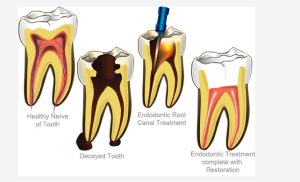
Deep tooth decay
Cracked or chipped teeth
Repeated dental procedures on the same tooth
Trauma or injury to the tooth
Untreated cavities
Signs and Symptoms You May Need Root Canal Therapy
Recognizing the symptoms early can help you seek treatment before complications arise. Common signs include:
Sensitivity to hot or cold temperatures
Swollen or tender gums
Tooth discoloration
Pain when chewing or biting
Pimple-like bump on the gums (abscess)
If you experience any of these symptoms, it’s important to schedule an appointment with your dentist promptly.
How Does Root Canal Treatment Work?
Many patients feel anxious about the procedure because of outdated myths. In reality, modern root canal therapy is similar in comfort to getting a dental filling.
Step 1: Examination and Diagnosis
Your dentist will examine the affected tooth and take digital X-rays to determine the extent of the infection. Once confirmed, a treatment plan will be created.
Step 2: Local Anesthesia
Before the procedure begins, local anesthesia is administered to numb the area completely. Most patients report feeling little to no pain during the treatment.
Step 3: Removing the Infected Pulp
The dentist creates a small opening in the crown of the tooth to access the pulp chamber. Specialized instruments are used to carefully remove the infected tissue from the root canals.
Step 4: Cleaning and Disinfecting
The empty canals are thoroughly cleaned, shaped, and disinfected to eliminate bacteria and prevent reinfection.
Step 5: Filling and Sealing
The canals are filled with a biocompatible material called gutta-percha. The tooth is then sealed to protect it from future contamination.
Step 6: Restoring the Tooth
In most cases, a dental crown is placed over the treated tooth to restore its strength and function. This ensures long-term durability.
Is Root Canal Therapy Painful?
One of the biggest misconceptions about root canal treatment is that it is extremely painful. Thanks to advances in dental technology and anesthesia, most patients experience minimal discomfort during the procedure.
In fact, root canal therapy is performed to relieve pain—not cause it. Any mild soreness after treatment can typically be managed with over-the-counter pain medication and usually subsides within a few days.
How Long Does a Root Canal Take?
The length of the procedure depends on the complexity of the case and the number of root canals in the tooth. Generally:
Front teeth: 60–90 minutes (one visit)
Premolars or molars: 90 minutes or more (sometimes two visits)
Your dentist will advise you if multiple appointments are necessary.
What Happens After Root Canal Treatment?
After the procedure, it’s normal to experience slight tenderness for a few days. This is due to inflammation in the surrounding tissues, not the tooth itself.
Root Canal Aftercare Tips
Avoid chewing on the treated tooth until fully restored
Maintain good oral hygiene (brushing and flossing)
Attend follow-up appointments
Get your permanent crown placed promptly
With proper care, a root canal-treated tooth can last a lifetime.
Root Canal vs. Tooth Extraction
Some patients wonder whether extraction is a better option. While removing the tooth may seem simpler, saving your natural tooth is usually the best choice.
Benefits of root canal therapy over extraction include:
Preserves natural bite alignment
Maintains jawbone integrity
Prevents shifting of neighboring teeth
Avoids the need for costly tooth replacement options like implants or bridges
Whenever possible, dentists recommend preserving the natural tooth structure.
How Successful Is Root Canal Therapy?
Root canal treatment has a very high success rate—typically over 90–95%. When performed correctly and followed by proper restoration, most treated teeth function normally for many years.
Factors that influence success include:
Severity of infection
Timely treatment
Quality of restoration (crown placement)
Patient oral hygiene habits
In rare cases, retreatment or endodontic surgery may be required if reinfection occurs.
How Much Does Root Canal Therapy Cost?
The cost of root canal therapy varies depending on:
Tooth location (front tooth vs. molar)
Complexity of the case
Geographic location
Whether a specialist (endodontist) performs the procedure
While the upfront cost may seem significant, root canal treatment is often more affordable than extraction followed by tooth replacement options such as implants or bridges.
Many dental insurance plans partially cover root canal therapy because it is considered medically necessary.
How to Prevent the Need for a Root Canal
While root canal therapy is effective, prevention is always better than treatment.
Preventive Dental Care Tips
Brush twice daily with fluoride toothpaste
Floss daily
Schedule regular dental checkups
Treat cavities early
Wear a mouthguard if you play sports
Avoid chewing hard objects like ice
Early detection of dental issues can prevent infection from reaching the pulp.
When to See a Dentist
If you’re experiencing persistent tooth pain, swelling, or sensitivity, don’t wait. Early intervention can prevent complications and may even save you from more extensive procedures.
Delaying treatment can allow infection to spread, potentially leading to abscess formation, bone loss, or systemic health concerns.
Final Thoughts on Root Canal Therapy
Root canal therapy is a safe, effective, and tooth-saving procedure designed to eliminate infection and restore oral health. While it may sound intimidating, modern techniques make it comfortable and highly successful.
If you suspect you may need a root canal, consult your dentist for a thorough evaluation. Addressing dental issues early not only relieves pain but also protects your long-term oral health.
By understanding what root canal therapy is and how it works, you can approach treatment with confidence and make informed decisions about your dental care.