


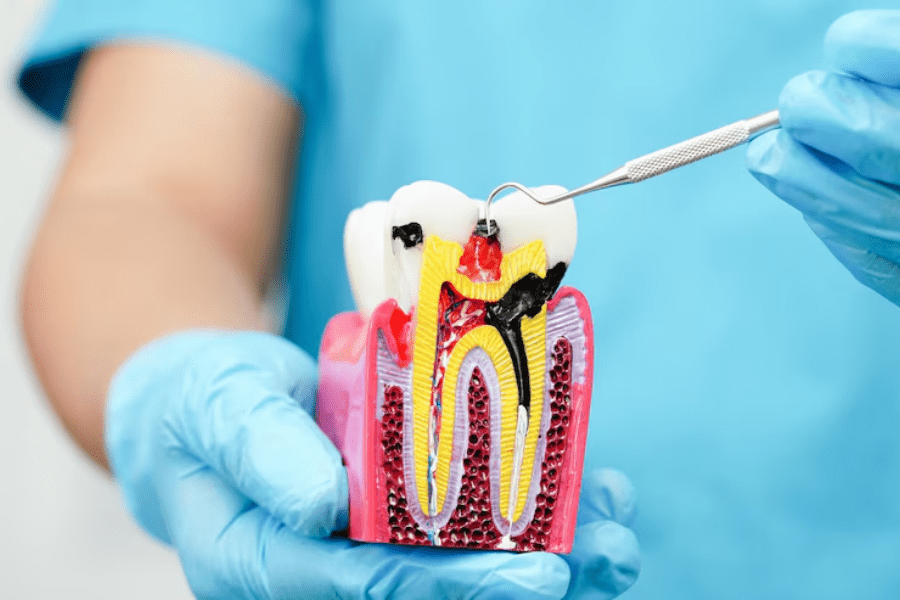
How Root Canal Treatment Saves Your Natural Tooth
When faced with severe tooth pain or infection, many patients fear they will lose their tooth. However, modern root canal treatment is specifically designed to save your natural tooth and restore your oral health. Rather than removing the damaged tooth, this highly effective procedure eliminates infection from within and preserves your natural smile.
In this comprehensive guide, we’ll explain how root canal treatment works, why saving your natural tooth matters, and how this procedure protects your long-term dental health.
What Is Root Canal Treatment?
Root canal treatment, also known as endodontic therapy, is a dental procedure used to remove infected or inflamed pulp from inside a tooth. The pulp contains nerves, blood vessels, and connective tissue that help the tooth develop. Once a tooth is fully formed, it can function without the pulp because surrounding tissues continue to nourish it.
When bacteria enter the pulp due to deep decay, cracks, trauma, or repeated dental work, infection can develop. Root canal therapy removes the infected tissue, disinfects the inner canals, and seals the tooth to prevent further damage.
The main goal is simple: eliminate infection while preserving your natural tooth structure.
Why Saving Your Natural Tooth Is Important
Many patients assume extraction is the easier solution. However, keeping your natural tooth is almost always the best option for both function and overall oral health.

Maintains Natural Bite Alignment
Each tooth plays a vital role in your bite. Removing a tooth can cause neighboring teeth to shift, leading to misalignment and bite problems. Root canal treatment prevents these issues by keeping your natural tooth in place.
Preserves Jawbone Health
When a tooth is extracted, the jawbone in that area may begin to deteriorate due to lack of stimulation. By saving the tooth root, root canal therapy helps maintain bone density and facial structure.
Protects Adjacent Teeth
Tooth extraction often requires replacement options such as bridges, which may involve altering healthy neighboring teeth. Saving your natural tooth avoids unnecessary impact on surrounding teeth.
Cost-Effective Long-Term Solution
While extraction may seem less expensive initially, replacing a missing tooth with a dental implant or bridge can be significantly more costly. Root canal treatment is often more affordable over time.
How Root Canal Treatment Works to Save Your Tooth
Understanding the process can help you see how this treatment preserves your natural tooth structure.
Step 1: Diagnosis and Imaging
Your dentist examines the affected tooth and takes digital X-rays to assess the extent of infection. This helps determine whether root canal therapy is the appropriate solution.
Step 2: Local Anesthesia for Comfort
Before beginning the procedure, the area is numbed with local anesthesia. Modern techniques ensure the treatment is comfortable and virtually pain-free.
Step 3: Removing Infected Pulp
A small opening is created in the crown of the tooth to access the pulp chamber. Specialized instruments are used to remove infected or inflamed tissue from inside the canals.
This step eliminates the source of pain and infection.
Step 4: Cleaning and Disinfection
After removing the pulp, the inner canals are carefully cleaned, shaped, and disinfected to remove bacteria and debris. This prevents reinfection and promotes healing.
Step 5: Filling and Sealing the Tooth
The cleaned canals are filled with a biocompatible material called gutta-percha. The tooth is then sealed to block bacteria from re-entering.
Step 6: Restoring Strength with a Crown
In most cases, a dental crown is placed over the treated tooth. This restores strength, function, and appearance, allowing the tooth to perform like any other natural tooth.
How Root Canal Treatment Eliminates Infection
Tooth infections occur when bacteria penetrate deep into the pulp. Left untreated, the infection can spread to surrounding tissues and form an abscess.
Root canal therapy directly addresses the problem by:
Removing infected nerve tissue
Eliminating bacteria inside the canals
Sealing the tooth to prevent further contamination
Allowing surrounding tissues to heal
By removing the infection at its source, the procedure saves the remaining healthy tooth structure.
Root Canal vs. Tooth Extraction
Some patients wonder whether extraction might be simpler. While extraction removes the infected tooth, it does not preserve your natural bite or prevent bone loss.
Advantages of Root Canal Treatment
Maintains natural appearance
Prevents teeth from shifting
Preserves chewing efficiency
Avoids bone resorption
Requires less long-term dental work
Extraction often leads to additional procedures such as implants, bridges, or dentures. Root canal therapy eliminates infection while maintaining your natural tooth.
Is Root Canal Treatment Painful?
One of the biggest misconceptions about root canal treatment is that it is painful. In reality, the procedure is performed to relieve pain caused by infection.
With modern anesthesia and advanced dental technology, most patients report that root canal treatment feels similar to getting a filling. After treatment, mild soreness may occur for a few days, but this typically resolves quickly.
How Long Does a Root Canal-Treated Tooth Last?
When properly restored and maintained, a tooth that has undergone root canal treatment can last a lifetime.
Factors that influence longevity include:
Proper crown placement
Good oral hygiene habits
Regular dental checkups
Avoiding excessive pressure or grinding
Brushing, flossing, and routine professional cleanings are essential to maintaining long-term results.
What Happens If You Delay Treatment?
Ignoring an infected tooth can have serious consequences. Without treatment, infection can spread to:
Surrounding teeth
Jawbone
Soft tissues
Other areas of the body in severe cases
Delaying treatment may result in abscess formation, increased pain, and the eventual need for extraction. Early intervention is key to saving your natural tooth.
Who Performs Root Canal Treatment?
Root canal procedures are typically performed by general dentists or endodontists, specialists who focus on treating the inside of the tooth.
For complex cases involving multiple canals or severe infection, a specialist may be recommended. Both professionals aim to preserve your natural tooth structure and restore oral health.
How to Prevent Needing a Root Canal
Although root canal treatment is highly effective, prevention is always best.
Preventive Measures
Brush twice daily with fluoride toothpaste
Floss every day
Visit your dentist regularly
Treat cavities early
Wear a mouthguard during sports
Avoid chewing hard objects
Routine dental exams allow early detection of decay before it reaches the pulp.
Final Thoughts: Protecting Your Natural Smile
Root canal treatment plays a critical role in modern dentistry by saving natural teeth that would otherwise need to be removed. By eliminating infection, restoring strength, and preserving structure, this procedure allows you to maintain proper function and a healthy smile.
If you’re experiencing persistent tooth pain, sensitivity, or swelling, seeking prompt dental care can make the difference between saving and losing your tooth. Root canal therapy is not something to fear—it is a proven, safe, and highly successful solution that protects your natural smile for years to come.