

How Often Should You Really Get Your Teeth Cleaned?
Regular dental cleanings are one of the most important steps you can take to protect your oral health. Yet many people still wonder: how often should you really get your teeth cleaned? Is twice a year enough, or do some people need more frequent visits? Understanding the right cleaning schedule for your needs can help prevent cavities, gum disease, and costly dental problems down the line.
In this article, we’ll break down how often you should get your teeth cleaned, why professional cleanings matter, and which factors can affect your ideal dental hygiene routine.
What Is a Professional Teeth Cleaning?
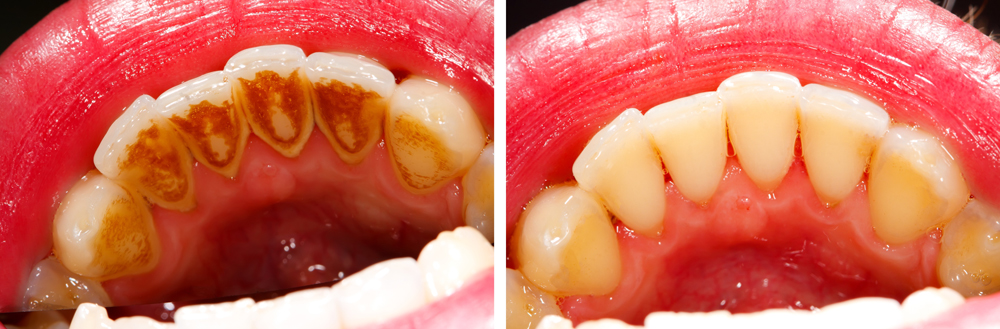
A professional teeth cleaning, also known as dental prophylaxis, is performed by a dental hygienist or dentist to remove plaque, tartar, and surface stains that regular brushing and flossing can’t fully eliminate.
What Happens During a Teeth Cleaning?
During a standard dental cleaning, your provider will:
Examine your teeth and gums for signs of decay or gum disease
Remove plaque and hardened tartar using specialized tools
Polish your teeth to remove surface stains
Floss between teeth to clear debris
Sometimes apply fluoride for added protection
These steps help maintain healthy teeth and gums while allowing early detection of potential dental issues.
The General Recommendation: Every Six Months
For most people, dentists recommend getting a professional teeth cleaning every six months. This twice-yearly schedule helps keep plaque and tartar buildup under control and significantly reduces the risk of cavities and gum disease.
Why Six Months Works for Most People
Plaque forms on your teeth daily, and even with excellent oral hygiene, some areas are hard to reach. Over time, plaque hardens into tartar, which cannot be removed with brushing alone. A six-month interval allows dental professionals to remove tartar before it causes inflammation, decay, or infection.
Regular cleanings also give your dentist the chance to:
Monitor gum health
Identify oral health changes before they worsen
When You May Need More Frequent Teeth Cleanings
While twice a year is a good rule of thumb, some people benefit from more frequent dental cleanings. Your dentist may recommend visits every three to four months depending on your oral health needs.
Gum Disease or Gingivitis
If you have gum disease or early-stage gingivitis, more frequent cleanings are often necessary. Bacteria below the gumline can cause inflammation, bleeding, and bone loss if left untreated. Regular cleanings help manage infection and prevent progression.
High Risk of Cavities
People who are prone to cavities may need cleanings more often. Risk factors include:
Frequent sugar or acidic food consumption
Dry mouth
Weak enamel
Poor oral hygiene habits
More frequent visits help reduce harmful bacteria and strengthen preventive care.
Smoking or Tobacco Use
Smoking increases plaque buildup, stains teeth, and raises the risk of gum disease and oral cancer. Dentists often recommend more frequent cleanings for smokers to maintain healthier gums and monitor oral changes closely.
Braces or Dental Appliances
Braces, clear aligners, and other dental appliances make it easier for plaque and food particles to get trapped. Professional cleanings help prevent decay and white spots around brackets and wires.
Medical Conditions That Affect Oral Health
Certain medical conditions, such as diabetes or immune system disorders, can impact gum health. More frequent dental cleanings can help reduce inflammation and lower the risk of oral infections.
Can You Get Teeth Cleaned Too Often?
A common concern is whether getting your teeth cleaned too often can damage enamel. When performed by a trained dental professional, cleanings are safe and do not harm your teeth.
Professional Cleanings Are Gentle and Controlled
Dental tools are designed to remove plaque and tartar without damaging enamel. Over-cleaning is rarely an issue when care is guided by a dentist. Your provider will only recommend more frequent visits if there is a clear benefit to your oral health.
What Happens If You Skip Regular Teeth Cleanings?
Skipping professional cleanings can lead to several oral health problems that worsen over time.
Plaque and Tartar Buildup
Without regular cleanings, plaque hardens into tartar, which irritates the gums and creates an environment for bacteria to thrive.
Gum Disease Progression
Early gum disease may be painless, but untreated gingivitis can progress into periodontitis, leading to gum recession, tooth mobility, and even tooth loss.
Increased Risk of Cavities
Plaque bacteria produce acids that weaken enamel. Without professional removal, cavities can develop and require fillings, crowns, or more extensive treatment.
Bad Breath and Staining
Persistent bad breath and visible tooth stains are common when plaque and tartar accumulate over time.
How At-Home Oral Care Fits Into the Equation
While brushing and flossing are essential, they don’t replace professional teeth cleanings.
Daily Habits That Support Cleanings
To maintain results between visits:
Brush twice daily with fluoride toothpaste
Floss once a day
Use mouthwash if recommended by your dentist
Limit sugary and acidic foods
These habits help slow plaque buildup but can’t fully remove tartar once it forms.
Teeth Cleanings for Children and Teens
Children and teens should generally follow the same six-month cleaning schedule. However, those with braces or a higher risk of cavities may need more frequent visits.
Why Early Dental Habits Matter
Regular cleanings help children:
Prevent cavities
Learn proper oral hygiene techniques
Feel comfortable visiting the dentist
Establishing consistent dental care early supports lifelong oral health.
How Your Dentist Determines the Right Schedule
Your dentist will consider several factors when recommending how often you should get your teeth cleaned, including:
Gum health
Cavity history
Lifestyle habits
Overall health
There is no one-size-fits-all approach, which is why personalized dental care is so important.
Final Thoughts: How Often Should You Really Get Your Teeth Cleaned?
For most people, getting a professional teeth cleaning every six months is the ideal balance for maintaining healthy teeth and gums. However, if you have gum disease, a high cavity risk, or certain medical conditions, more frequent cleanings may be necessary.
The best way to know how often you should schedule dental cleanings is to consult your dentist. Regular visits not only keep your smile looking great but also protect your long-term oral and overall health. Making professional teeth cleanings a priority today can save you from discomfort, complex treatments, and higher costs in the future.