

Early Signs of Gum Disease and How to Fix Them Fast
Gum disease, or periodontal disease, is a silent oral health issue that can lead to serious complications if left untreated. Detecting the early signs and acting quickly can prevent gum damage, tooth loss, and other health risks. In this article, we’ll explore the warning signs of gum disease, what causes it, and fast, effective strategies to restore gum health.

Understanding Gum Disease
Gum disease begins when bacteria accumulate in the mouth, creating plaque and tartar that irritate gum tissue. Early detection is critical because the initial stage, known as gingivitis, is reversible with proper care. If untreated, it can progress to periodontitis, which damages gums, teeth, and even bone structures.
Causes of Gum Disease
Poor Oral Hygiene: Infrequent brushing and flossing allow plaque to build up.
Tobacco Use: Smoking and chewing tobacco reduce blood flow, making gums more susceptible to infection.
Diet: High sugar and low nutrient intake weaken gum tissue.
Medical Conditions: Diabetes, hormonal changes, and immune disorders can increase risk.
Stress: Chronic stress lowers immune defenses, allowing bacterial growth in the mouth.
Early Signs of Gum Disease
Recognizing early symptoms can make the difference between quick recovery and long-term complications.
1. Bleeding Gums
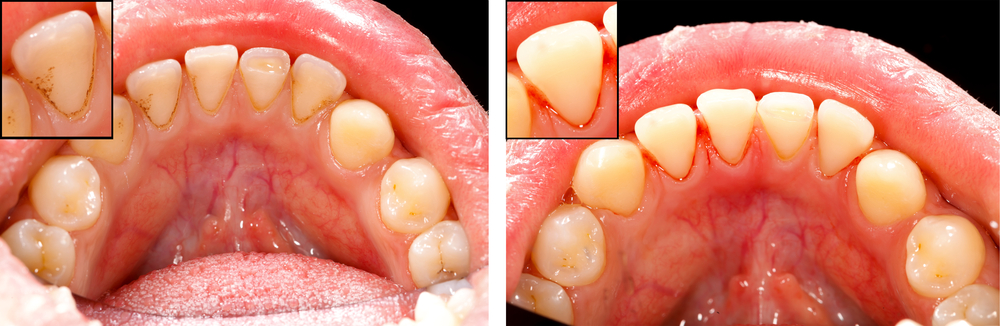
Gums that bleed when brushing or flossing are often the first sign of gingivitis. Healthy gums should not bleed easily, so even minor bleeding should be taken seriously.
2. Red or Swollen Gums
Inflamed gums appear redder than usual and may feel tender or puffy. This is caused by increased blood flow as your body tries to fight infection.
3. Bad Breath or Persistent Taste
Chronic bad breath or a metallic taste in the mouth can result from bacterial accumulation in plaque and tartar.
4. Gum Recession
Early gum disease can cause gums to pull away from teeth, exposing roots and making teeth appear longer.
5. Sensitive Teeth
As gums recede, tooth roots may be exposed, leading to increased sensitivity to hot, cold, or sweet foods.
6. Pockets Between Teeth and Gums
Gum pockets can form where bacteria accumulate, creating areas difficult to clean that may worsen gum disease if not addressed.
How to Fix Early Gum Disease Fast
The good news is that gingivitis and early gum disease are highly treatable with the right interventions.
1. Improve Oral Hygiene
Brush twice daily using a soft-bristled toothbrush.
Use gentle circular motions to avoid further irritation.
Floss daily to remove plaque between teeth and under the gum line.
Consider using an electric toothbrush for more thorough cleaning.
2. Use Antimicrobial Mouthwash
Rinsing with an antimicrobial mouthwash reduces harmful bacteria and helps prevent plaque buildup. Look for ingredients like chlorhexidine or essential oils that target gingivitis-causing bacteria.
3. Maintain a Nutrient-Rich Diet
Certain nutrients help repair and strengthen gum tissue:
Vitamin C: Promotes collagen production and gum healing. Sources: citrus fruits, strawberries, bell peppers.
Vitamin D: Supports immune response and bone health. Sources: sunlight, fortified dairy, fatty fish.
Calcium: Strengthens teeth and supporting structures. Sources: milk, yogurt, leafy greens.
Omega-3 Fatty Acids: Reduce inflammation. Sources: salmon, flaxseeds, walnuts.
4. Quit Smoking and Limit Alcohol
Tobacco and excessive alcohol impair gum healing and increase the risk of bacterial growth. Quitting tobacco and moderating alcohol intake can accelerate recovery.
5. Stay Hydrated
Saliva naturally cleanses the mouth, washes away bacteria, and helps maintain a healthy oral environment. Drink water throughout the day to support gum health.
6. Professional Dental Treatments
If home care isn’t enough, dental interventions can fix gum disease quickly:
Professional Cleaning: Removes plaque and tartar that cannot be brushed away.
Scaling and Root Planing: Deep cleaning to remove bacteria from under the gums and smooth root surfaces.
Topical Antibiotics: Reduce infection and inflammation in gum tissue.
Preventing Gum Disease from Returning
After treating early gum disease, ongoing care is essential to prevent recurrence.
1. Regular Dental Checkups
Schedule dental visits every six months for cleaning, examination, and early detection of any gum issues.
2. Consistent Oral Hygiene
Stick to daily brushing, flossing, and mouthwash use to maintain a bacteria-free environment.
3. Healthy Lifestyle Habits
Eat a balanced diet rich in vitamins and minerals
Manage stress to support immune function
Avoid smoking and excessive alcohol
4. Monitor Your Gums
Regularly check your gums for changes in color, texture, or sensitivity. Early detection can prevent minor issues from becoming serious problems.
Conclusion
Early signs of gum disease, such as bleeding, redness, and sensitivity, should never be ignored. Acting fast with proper oral hygiene, dietary adjustments, and professional treatments can reverse damage, restore gum health, and prevent tooth loss. By adopting preventive habits and maintaining regular dental care, you can keep your gums strong, healthy, and your smile bright. Detect, act, and protect your gums to enjoy long-term oral health.