

Dental Professionals Reveal the Best Ways to Treat Gum Problems
Gum problems, ranging from mild inflammation to advanced periodontal disease, affect millions of people worldwide. If left untreated, these issues can lead to tooth loss, infections, and other systemic health problems. Dental professionals emphasize that early detection and proper care are essential for maintaining healthy gums. This article explores expert-recommended strategies to prevent, manage, and treat gum problems effectively.
Understanding Gum Problems
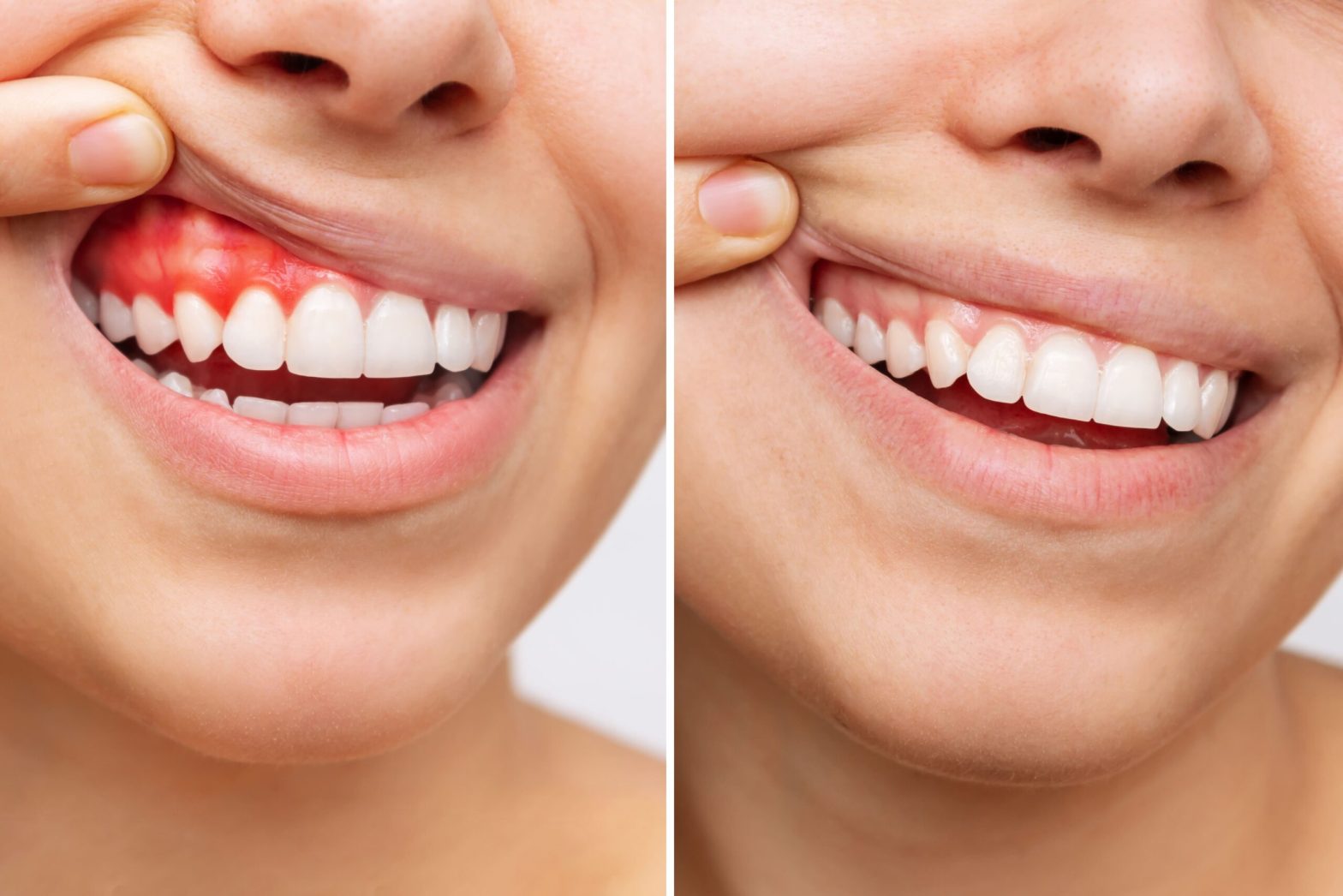
Gum problems are usually caused by bacteria accumulating along the gum line, resulting in inflammation, bleeding, or infection. Recognizing the type and severity of the problem is the first step toward effective treatment.
Common Types of Gum Problems
Gingivitis – The earliest stage of gum disease, characterized by red, swollen, and bleeding gums. Gingivitis is reversible with proper oral care.
Periodontitis – A more advanced stage, causing gum recession, bone loss, and formation of pockets between teeth and gums.
Receding Gums – Gums pull away from the teeth, often caused by aggressive brushing, aging, or gum disease.
Abscessed Gums – Infections that form pus-filled pockets, often resulting from untreated cavities or periodontal disease.
Causes of Gum Problems
Poor oral hygiene leading to plaque and tartar buildup
Smoking and tobacco use
Poor diet lacking essential vitamins and minerals
Genetic predisposition
Medical conditions such as diabetes and hormonal imbalances
Stress, which weakens immune response and slows healing
Dental Professionals’ Top Recommendations for Treating Gum Problems
Experts emphasize a combination of preventive care, proper hygiene, and professional treatments to restore gum health.
1. Proper Brushing and Flossing Techniques
Dental professionals recommend daily brushing and flossing to remove plaque and prevent gum inflammation. Key techniques include:
Using a soft-bristled toothbrush
Brushing at a 45-degree angle to the gum line
Employing gentle, circular motions to avoid damaging the gums
Flossing daily to remove debris between teeth and under the gum line
2. Antimicrobial Mouthwash
Rinsing with an antimicrobial mouthwash reduces bacteria in the mouth, preventing plaque buildup and gum irritation. Dental professionals suggest mouthwashes containing chlorhexidine or essential oils for maximum effectiveness.
3. Regular Dental Checkups and Professional Cleanings
Visiting a dentist every six months allows for early detection and treatment of gum issues. Professional cleanings remove tartar buildup that brushing and flossing alone cannot eliminate, preventing the progression of gum disease.
4. Scaling and Root Planing
For patients with moderate to severe gum disease, dental professionals often recommend scaling and root planing:
Scaling removes plaque and tartar from above and below the gum line
Root Planing smooths the roots of teeth to help gums reattach and heal
This procedure is highly effective in treating periodontitis and preventing further damage.
Dietary Recommendations to Support Gum Health
Dental professionals stress that a nutrient-rich diet can significantly improve gum healing and prevent future problems.
1. Vitamin C for Collagen Production
Vitamin C helps strengthen gum tissue and promotes healing. Foods rich in vitamin C include:
Citrus fruits like oranges, lemons, and grapefruits
Strawberries, kiwis, and pineapples
Bell peppers and broccoli
2. Calcium and Vitamin D
Calcium strengthens teeth and supporting bone structures, while vitamin D supports immune function and tissue repair. Sources include:
Dairy products such as milk, cheese, and yogurt
Leafy greens and almonds
Fortified plant-based milk and sunlight exposure for vitamin D
3. Anti-Inflammatory Foods
Omega-3 fatty acids and antioxidants reduce gum inflammation and support healing:
Fatty fish like salmon and mackerel
Flaxseeds, chia seeds, and walnuts
Green tea, rich in catechins that inhibit harmful bacteria
At-Home Treatments Recommended by Experts
Alongside professional care, dental professionals recommend safe at-home practices to accelerate healing.
1. Saltwater Rinses
Rinsing with warm saltwater reduces inflammation, kills bacteria, and promotes gum healing. Mix half a teaspoon of salt in a glass of warm water and rinse for 30 seconds daily.
2. Oil Pulling
Swishing coconut or sesame oil in the mouth for 10–15 minutes helps remove bacteria and reduce plaque buildup. While not a substitute for brushing, oil pulling can complement your oral care routine.
3. Gentle Gum Massage
Massaging the gums stimulates blood flow and promotes tissue repair. Use clean fingers or a soft-bristled toothbrush to massage gums for a few minutes daily.
Lifestyle Habits That Enhance Gum Healing
Dental professionals emphasize that lifestyle choices play a major role in gum health.
1. Quit Smoking and Limit Alcohol
Tobacco use reduces blood flow, slows healing, and increases the risk of infection. Quitting smoking and moderating alcohol intake can significantly improve gum recovery.
2. Manage Stress
Chronic stress weakens the immune system and can exacerbate gum problems. Techniques such as yoga, meditation, or deep breathing exercises can reduce stress and support healing.
3. Stay Hydrated
Saliva is a natural defense mechanism that neutralizes acids and washes away bacteria. Drinking water regularly helps maintain a clean oral environment and promotes gum healing.
When to Seek Immediate Professional Help
Even with proper care, some gum problems require urgent attention:
Persistent bleeding or swollen gums
Severe gum recession or exposed tooth roots
Painful abscesses or pus-filled pockets
Loose teeth or difficulty chewing
Early intervention can prevent irreversible damage and restore healthy gums.
Conclusion
Dental professionals agree that preventing and treating gum problems requires a comprehensive approach combining proper oral hygiene, professional care, a nutrient-rich diet, and healthy lifestyle habits. From brushing and flossing correctly to scaling and root planing for advanced cases, taking proactive steps can restore gum health and protect your smile. By following expert advice, you can prevent gum disease, reduce inflammation, and maintain strong, healthy gums for years to come.