

Tartar vs. Plaque: Why Professional Teeth Cleaning Matters
Maintaining healthy teeth and gums requires more than brushing your teeth twice a day. Although brushing and flossing are essential for good oral hygiene, plaque can still accumulate in hard-to-reach areas of your mouth. If plaque is not removed regularly, it can harden into tartar, increasing the risk of gum inflammation and other dental problems.
Understanding the difference between tartar and plaque is important for protecting your oral health. While plaque can often be removed at home with effective brushing and flossing, tartar requires professional removal by a dentist or dental hygienist.
In this guide, we explain what plaque and tartar are, how they affect your teeth and gums, and why professional teeth cleaning plays an important role in maintaining a healthy smile.
What Is Dental Plaque?
Dental plaque is a sticky, colourless or pale-yellow film of bacteria that forms on your teeth throughout the day. It develops when bacteria in your mouth combine with saliva and substances from the foods and drinks you consume.
Plaque is a normal occurrence, but allowing it to accumulate can contribute to tooth decay and gum disease.
How Does Plaque Build Up on Your Teeth?
Plaque begins forming soon after you clean your teeth. When you eat or drink, bacteria in plaque can use sugars to produce acids that weaken tooth enamel.
Plaque can collect around the gumline, between your teeth, and on the back surfaces of your molars. These areas can be difficult to clean thoroughly, especially if your brushing or flossing technique is ineffective.
Brushing twice daily with fluoride toothpaste and cleaning between your teeth every day helps remove plaque before it causes significant problems.
What Is Tartar?
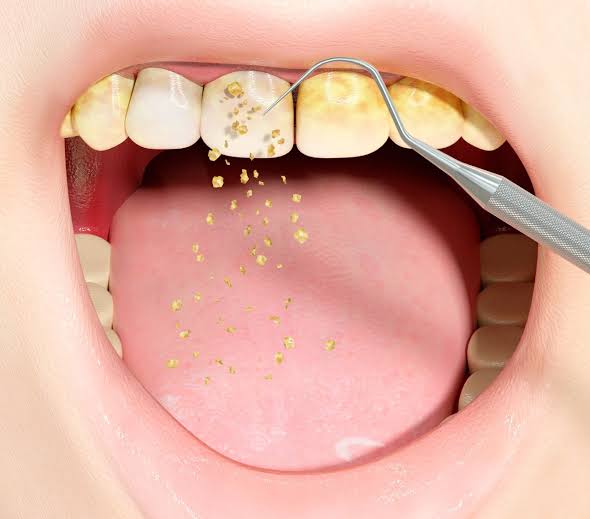
Tartar, also known as dental calculus, forms when plaque remains on your teeth and hardens through mineralisation. Minerals in saliva contribute to this process, turning soft plaque into a hard deposit that sticks firmly to the tooth surface.
Unlike plaque, tartar cannot be removed effectively with a toothbrush or dental floss.
Where Does Tartar Commonly Develop?
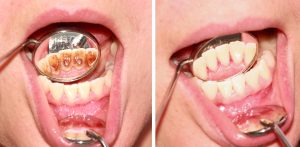
Tartar often forms near the gumline, between teeth, and behind the lower front teeth. It may appear yellow, brown, or darker in colour, depending on its location and whether it has absorbed external stains.
Its rough surface can allow additional plaque to accumulate, making effective oral hygiene more difficult.
A dentist or dental hygienist can remove tartar safely using specialised instruments during a professional scale and clean.
Tartar vs. Plaque: What Is the Difference?
Although plaque and tartar are closely related, they differ in their texture, formation, and removal.
Key Differences Between Plaque and Tartar
Plaque: A soft, sticky film of bacteria that forms on teeth every day. It can usually be removed with thorough brushing and daily cleaning between teeth.
Tartar: Hardened plaque that attaches firmly to tooth surfaces. It requires professional dental instruments for effective removal.
Appearance: Plaque is often difficult to see, while tartar may appear as visible yellow or brown deposits.
Oral health risks: Both can contribute to dental problems, including tooth decay and gum inflammation, if not managed effectively.
The key difference is that plaque can be controlled through daily oral hygiene, whereas tartar requires professional treatment once it has formed.
Why Are Plaque and Tartar Bad for Your Teeth?
When plaque and tartar accumulate, they can affect the health of your teeth and gums in several ways.
1. They Can Contribute to Tooth Decay
Bacteria in plaque produce acids that gradually weaken tooth enamel. If this process continues, cavities can develop and may require fillings or other dental treatment.
Regular brushing with fluoride toothpaste, limiting frequent sugary snacks, and attending dental check-ups can help reduce the risk of tooth decay.
2. They Can Increase the Risk of Gum Disease
Plaque around the gumline can irritate gum tissue and cause gingivitis, the early stage of gum disease. Common symptoms include red, swollen, or bleeding gums.
If gum disease progresses, it can develop into periodontitis, which damages the tissues and bone supporting your teeth.
Professional dental cleaning helps remove plaque and tartar that contribute to gum inflammation. Established periodontitis may require additional periodontal treatment beyond a routine scale and clean.
3. They Can Contribute to Bad Breath
Bacteria in plaque and deposits around the gumline can produce unpleasant-smelling compounds. This may contribute to persistent bad breath, also known as halitosis.
Professional teeth cleaning can help reduce these deposits. Brushing your teeth, cleaning between them, and gently cleaning your tongue can also help maintain fresher breath.
How Does Professional Teeth Cleaning Remove Tartar?
Professional teeth cleaning, commonly called a scale and clean, is designed to remove plaque, hardened tartar, and certain surface stains from your teeth.
Step 1: Examination of Your Teeth and Gums
Your dentist or dental hygienist may begin by examining your teeth and gums to assess plaque accumulation, tartar deposits, and signs of inflammation.
If they identify symptoms of gum disease or other concerns, they may recommend further assessment or treatment.
Step 2: Scaling to Remove Tartar
Scaling involves using specialised dental instruments to remove tartar from the surfaces of your teeth and, when necessary, around or beneath the gumline.
Your dental professional may use hand instruments or an ultrasonic scaler to loosen and remove hardened deposits.
The procedure helps eliminate tartar that cannot be removed at home and supports healthier gums.
Step 3: Polishing Your Teeth
After scaling, your dental professional may polish your teeth to remove certain external stains and leave the surfaces feeling smoother.
Professional polishing is not the same as teeth whitening. It helps improve the cleanliness and appearance of your teeth but does not necessarily change their natural colour.
Can You Prevent Tartar From Forming?
Although you cannot always prevent every tartar deposit from forming, you can reduce plaque buildup and lower the likelihood of tartar accumulation by maintaining good oral hygiene.
Daily Habits for Preventing Plaque and Tartar
Follow these simple habits to help protect your teeth and gums:
Brush twice daily for two minutes using fluoride toothpaste.
Clean between your teeth every day with dental floss or interdental brushes.
Replace your toothbrush when its bristles become worn.
Limit frequent consumption of sugary foods and drinks.
Drink water regularly and maintain a balanced diet.
Avoid smoking and other tobacco products.
Attend regular dental examinations and professional cleaning appointments as recommended.
Consistency is essential because plaque begins forming again soon after your teeth are cleaned.
How Often Should You Get a Professional Scale and Clean?
The ideal frequency for professional teeth cleaning depends on your oral health and individual risk factors.
Many people benefit from a professional cleaning approximately every six months. However, people with gum disease, significant tartar buildup, or other risk factors may need more frequent appointments.
Your dentist can assess your gums, evaluate tartar accumulation, and recommend a cleaning schedule suited to your needs.
Regular dental check-ups are also important because some oral health problems may develop without noticeable pain or symptoms.
Book Your Professional Teeth Cleaning Appointment
Understanding tartar vs. plaque can help you make informed decisions about your oral health. Plaque is a soft film of bacteria that can be removed through effective brushing and flossing, while tartar is hardened plaque that requires professional removal.
Without proper care, both can contribute to tooth decay, gum disease, and other oral health concerns. Regular professional teeth cleaning, combined with a consistent home oral hygiene routine, helps keep plaque and tartar under control.
If you have noticed hard deposits on your teeth, bleeding gums, or persistent bad breath, consider booking a dental appointment for an assessment.
Contact your local dental clinic today to arrange a professional scale and clean and take another step towards healthier teeth and gums.