

What Is Plaque and How Does Your Dentist Remove It?
Have you ever noticed a sticky film on your teeth, even after eating or drinking? This film is called dental plaque, and it forms naturally in your mouth throughout the day. Although plaque is common, failing to remove it regularly can contribute to tooth decay, gum inflammation, and other oral health problems.
Brushing twice a day and flossing daily are essential for controlling plaque buildup. However, when plaque remains on your teeth, it can harden into tartar, which cannot be removed effectively at home.
So, what is plaque, and how does your dentist remove it? Understanding how plaque develops and why professional teeth cleaning matters can help you maintain healthier teeth and gums.
What Is Dental Plaque?
Dental plaque is a soft, sticky film of bacteria that forms on the surfaces of your teeth. It develops when bacteria in your mouth combine with saliva and substances from the foods and drinks you consume.
Plaque begins forming again soon after you clean your teeth. This is why maintaining a consistent oral hygiene routine is important for keeping your mouth healthy.
Why Does Plaque Build Up on Teeth?
Plaque can accumulate when bacteria and food debris are not removed effectively through brushing and cleaning between your teeth.
Certain areas are particularly difficult to clean, including the spaces between teeth, the back surfaces of molars, and the gumline. If plaque remains in these areas, it can gradually accumulate and contribute to dental problems.
Frequent consumption of sugary foods and drinks can also increase the risk of tooth decay because plaque bacteria use sugars to produce acids that weaken tooth enamel.
What Happens If Plaque Is Not Removed?
Although plaque is a normal part of your mouth, allowing it to accumulate can affect your oral health in several ways.
1. Plaque Can Cause Tooth Decay
Bacteria in plaque produce acids when they break down sugars from food and drinks. These acids can weaken tooth enamel over time, eventually leading to cavities.
Without appropriate preventive care, tooth decay may progress and require treatments such as fillings or other restorative procedures.
2. Plaque Can Lead to Gum Disease
When plaque builds up around the gumline, it can irritate the surrounding gum tissue and cause inflammation. This early stage of gum disease is known as gingivitis.
Common symptoms include red, swollen, or bleeding gums and persistent bad breath.
If gingivitis is not managed, it can progress to periodontitis in some people. This more advanced condition damages the tissues and bone supporting the teeth.
3. Plaque Can Harden Into Tartar
One of the most important reasons to remove plaque regularly is that it can harden into tartar, also known as dental calculus.
Minerals in saliva can cause plaque to harden over time. Once tartar forms, brushing and flossing cannot effectively remove it.
Tartar can accumulate around the gumline and provide a rough surface where additional plaque collects. A dentist or dental hygienist can remove these hardened deposits during a professional scale and clean.
How Does Your Dentist Remove Plaque and Tartar?
Professional dental cleaning helps remove plaque and tartar from areas that may be difficult to clean thoroughly at home. The procedure is commonly called a scale and clean or scale and polish.
1. Examining Your Teeth and Gums
Before cleaning begins, your dentist or dental hygienist may examine your teeth and gums to assess your oral health.
They may look for plaque accumulation, tartar deposits, gum inflammation, bleeding, and signs of tooth decay. This assessment helps determine the most appropriate approach to your dental cleaning.
If there are signs of advanced gum disease, additional periodontal assessment or treatment may be necessary.
2. Scaling to Remove Plaque and Tartar
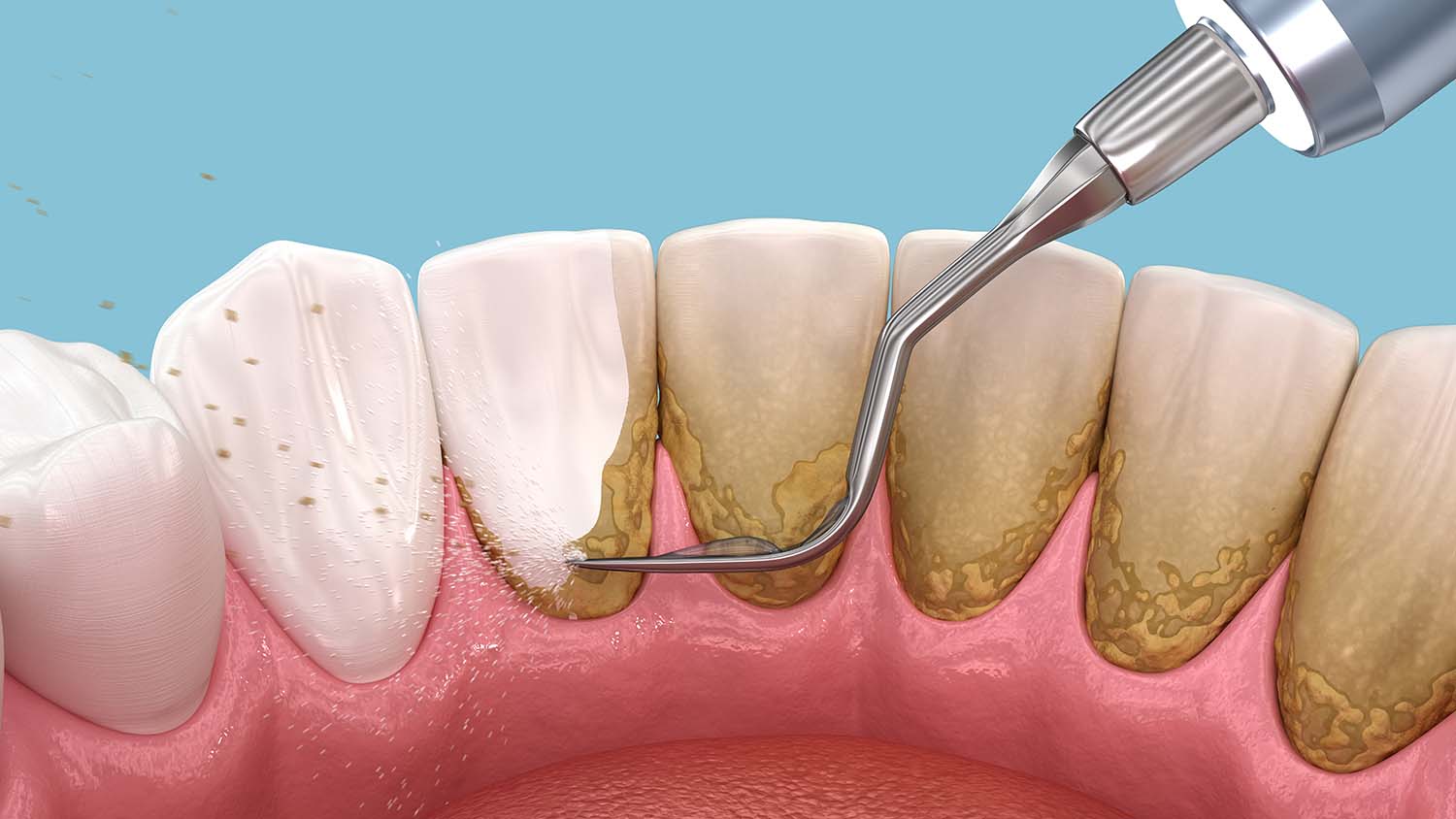
Scaling is the process of removing plaque and hardened tartar from the tooth surfaces and, when necessary, around or beneath the gumline.
Your dental professional may use specialised hand instruments or an ultrasonic scaler that uses vibrations and water to help loosen deposits.
Scaling helps remove buildup that cannot be eliminated through brushing and flossing alone. If you have significant tartar accumulation or sensitive gums, you may experience some discomfort during the procedure.
3. Polishing the Teeth
After scaling, your dentist or dental hygienist may polish your teeth using a suitable polishing instrument and paste.
Polishing helps remove some external stains and leaves the tooth surfaces feeling smoother. It is not the same as professional teeth whitening, which uses specific treatments to lighten the colour of natural teeth.
Not every patient requires the same type or extent of polishing. Your dental professional will determine what is appropriate for your oral health needs.
4. Personalised Oral Hygiene Advice
A professional teeth cleaning appointment is also an opportunity to improve your daily oral care routine.
Your dentist may recommend brushing techniques, dental floss, interdental brushes, or other cleaning aids based on your teeth, gums, and any dental restorations.
Following these recommendations can help control plaque buildup between appointments and reduce the risk of future dental problems.
Can You Remove Plaque at Home?
Yes. Soft plaque can usually be controlled with effective daily brushing and cleaning between your teeth. However, hardened tartar requires professional removal.
How to Prevent Plaque Buildup
To keep plaque under control and support good oral health, follow these practical habits:
Brush your teeth twice daily for two minutes using fluoride toothpaste.
Clean between your teeth every day with dental floss or interdental brushes.
Replace your toothbrush when its bristles become worn.
Limit frequent consumption of sugary foods and drinks.
Drink water regularly and maintain a balanced diet.
Avoid smoking and other tobacco products.
Attend regular dental check-ups and professional cleaning appointments as recommended.
Consistency is important because plaque begins to form again after your teeth have been cleaned.
How Often Should You Get Professional Teeth Cleaning?
The recommended frequency of professional dental cleaning depends on your individual oral health.
Many people benefit from a scale and clean approximately every six months. However, patients who have gum disease, accumulate tartar quickly, or have other risk factors may require more frequent appointments.
Why Regular Dental Check-Ups Matter
Regular dental visits allow your dentist to monitor plaque and tartar buildup, assess your gum health, and identify potential dental problems early.
Your dentist can recommend a cleaning schedule based on your oral hygiene habits, medical history, gum condition, and overall risk of dental disease.
Even if your teeth feel clean and your gums do not hurt, routine dental examinations can help identify issues that may not yet cause noticeable symptoms.
Book Your Professional Dental Cleaning Appointment
Dental plaque is a common part of everyday oral health, but allowing it to accumulate can contribute to cavities, gum disease, and tartar buildup.
Brushing and flossing daily help remove soft plaque, while professional dental cleaning removes hardened tartar and deposits that are difficult to manage at home. Together, these habits form an important part of preventive dental care.
If you have noticed tartar on your teeth, bleeding gums, or persistent bad breath, consider arranging a dental appointment for an assessment.
Contact your local dental clinic today to book a professional teeth cleaning appointment and take the next step towards healthier teeth and gums.
With consistent oral hygiene and regular professional dental care, you can help keep plaque under control and maintain a healthier smile.