

Are Dental Caps Worth It? Pros, Cons, and Considerations
Dental caps, also known as dental crowns, are commonly used to restore damaged teeth, protect weakened tooth structures, and improve the appearance of a smile. If you have a cracked tooth, extensive tooth decay, or a tooth that has undergone root canal treatment, your dentist may recommend a dental crown to restore its strength and function.
However, you may wonder whether dental caps are worth the investment. While dental crowns offer several benefits, they also have potential disadvantages, including cost, tooth preparation, and the possibility of future replacement.
In this guide, we explore the pros and cons of dental caps, their costs, how long they last, and what to consider before deciding whether a dental crown is the right option for your oral health.
What Are Dental Caps?
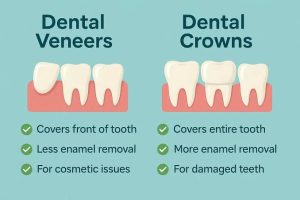
A dental cap, commonly called a dental crown, is a custom-made covering that fits over the visible portion of a tooth above the gum line. It is designed to restore the tooth’s shape, size, strength, and appearance while helping protect the remaining natural structure.
Dentists often recommend dental crowns when a tooth is too damaged or weakened to be restored effectively with a standard filling. Crowns may also be used after certain root canal treatments or to complete dental implant treatment.
Dental caps are available in several materials, including porcelain, ceramic, zirconia, metal, and porcelain-fused-to-metal. Each material offers different advantages depending on the tooth’s location, biting forces, aesthetic requirements, and budget.
Are Dental Caps Worth It? Understanding the Benefits
For many patients, dental crowns can be a worthwhile investment because they help restore teeth that might otherwise remain weak or uncomfortable. However, their value depends on the condition of the tooth and whether a crown is the most appropriate treatment.
1. Dental Caps Protect Damaged Teeth
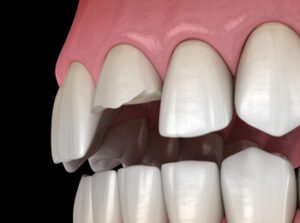
One of the main benefits of dental crowns is their ability to cover and protect weakened teeth. Teeth affected by extensive decay, cracks, or significant wear may be more vulnerable to further damage.
A properly fitted crown helps distribute biting forces and protects the remaining tooth structure during everyday activities such as eating and chewing.
For teeth that need substantial structural support, this protection can be an important reason to consider a dental crown.
2. They Restore Chewing Function
Damaged teeth can make biting and chewing uncomfortable. A dental crown restores the tooth’s shape and helps it function alongside neighbouring teeth.
Once the crown is properly fitted, many patients can return to their usual eating habits, subject to their dentist’s instructions and the condition of the restored tooth.
3. Dental Crowns Can Improve Your Smile
Tooth-coloured crowns can improve the appearance of teeth that are severely worn, misshapen, or damaged. Materials such as porcelain, ceramic, and zirconia can be customised to blend with surrounding teeth.
This can be particularly beneficial when a damaged tooth is visible when you smile or speak.
However, crowns are not always the best choice for minor cosmetic concerns. Less invasive options may be more suitable when the natural tooth is largely healthy.
4. They Can Last for Many Years
Dental crowns can remain functional for many years when properly maintained. Their lifespan depends on the material, crown fit, oral hygiene, biting forces, and the condition of the underlying tooth.
Although crowns may eventually require repair or replacement, their durability can make them a worthwhile option for restoring teeth that need substantial protection.
5. Crowns Can Support Other Dental Treatments
Dental crowns may be used to restore certain teeth after root canal treatment, depending on how much natural tooth structure remains. They are also commonly attached to dental implants to replace the visible part of a missing tooth.
These uses make crowns a versatile option in restorative dentistry.
What Are the Disadvantages of Dental Caps?
Although dental crowns have several advantages, it is important to understand their potential drawbacks before proceeding with treatment.
1. Dental Crowns Can Be Expensive
The cost of a dental crown varies depending on the material, the tooth’s location, the complexity of treatment, and the dental practice’s fees.
Additional procedures, such as root canal treatment or rebuilding a severely damaged tooth, can increase the total cost. Private dental insurance may cover some eligible expenses, depending on your policy and annual limits.
Before treatment, ask your dentist for a written estimate that includes the crown, any additional procedures, and follow-up appointments.
2. Tooth Preparation Is Usually Required
Most conventional dental crowns require the dentist to reshape the natural tooth so the crown can fit securely. This involves removing some tooth structure, and the procedure is generally irreversible.
For this reason, a crown should be recommended when its benefits justify the amount of tooth preparation required.
Depending on the condition of your tooth, alternatives such as a filling, inlay, or onlay may preserve more natural tooth structure.
3. Temporary Sensitivity May Occur
Some patients experience temporary sensitivity to hot or cold foods or mild discomfort after crown placement. These symptoms often improve as the tooth and surrounding tissues settle.
Persistent or worsening pain should be assessed by a dentist because it may indicate an issue with the bite, the underlying tooth, or the surrounding tissues.
4. Dental Crowns May Need Replacement
Dental crowns are durable but do not last forever. They can chip, crack, loosen, or develop problems around their edges. The natural tooth underneath may also develop decay.
Replacement may eventually be necessary, creating additional costs and treatment requirements.
5. Not Every Tooth Is Suitable for a Crown
A crown cannot reliably restore every damaged tooth. If a fracture extends too far below the gum line or the tooth has insufficient healthy structure remaining, another treatment may be necessary.
Your dentist will examine the tooth and explain whether a crown is appropriate or whether other options should be considered.
How Much Do Dental Caps Cost?
Dental crown costs vary according to several factors, so there is no single price that applies to every patient.
Factors That Affect Dental Crown Prices
Crown material: Porcelain, ceramic, zirconia, metal, and porcelain-fused-to-metal crowns have different manufacturing requirements and costs.
Treatment complexity: Teeth with extensive decay, fractures, or previous dental problems may require additional treatment before a crown can be placed.
Tooth location: Front teeth may require additional attention to appearance, while back teeth must withstand substantial chewing forces.
Dental practice fees: Laboratory costs, technology, location, and the complexity of the procedure can influence the final price.
To understand the total investment, request a written treatment plan and ask whether payment options or insurance benefits are available.
Are Dental Crowns Better Than Fillings?
Dental crowns and fillings serve different purposes, so neither option is automatically better for every patient.
When a Filling May Be the Better Option
A filling may be appropriate when tooth decay or damage is relatively limited and enough healthy tooth structure remains. Fillings generally require less removal of natural tooth structure than conventional crowns.
When a Dental Crown May Be Worth It
A crown may be more suitable when a tooth is extensively damaged, weakened, or at increased risk of fracture. Covering the tooth can provide structural support that a filling may not offer in that particular situation.
Your dentist can compare the options based on the amount of remaining tooth structure, the tooth’s location, and your long-term oral health needs.
How Long Do Dental Caps Last?
Dental crowns can last many years, with some remaining functional for well over a decade. Their lifespan depends on the crown material, oral hygiene, bite pressure, and the condition of the natural tooth underneath.
To help your crown last longer, brush twice daily with fluoride toothpaste, clean between your teeth every day, and attend regular dental check-ups.
Avoid chewing ice or biting hard objects, and ask your dentist whether a night guard may help if you grind your teeth.
How to Decide Whether Dental Caps Are Worth It
Before choosing a dental crown, consider the following factors and discuss them with your dentist.
Assess the Condition of Your Tooth
Ask how much healthy tooth structure remains and whether a crown is necessary to restore its strength. Understanding the extent of the damage helps you evaluate the potential benefits.
Compare Suitable Treatment Options
Ask whether a filling, onlay, crown, or another treatment could address the problem. A less invasive option may be appropriate for some teeth, while extensive damage may require a crown.
Consider Long-Term Costs and Maintenance
Think about the initial treatment fee, potential future maintenance, and expected lifespan of the restoration. The least expensive option upfront may not always be the most appropriate long-term solution.
Discuss Risks and Expected Results
Ask about possible sensitivity, the amount of tooth preparation required, and how the crown may affect your bite and appearance. Your dentist can explain the likely outcomes based on your individual circumstances.
Conclusion: Are Dental Caps Worth It?
Dental caps can be worth it when a tooth needs significant protection, structural support, or restoration. They can improve chewing function, restore appearance, and help preserve a damaged tooth for many years.
However, dental crowns also involve costs, tooth preparation, ongoing maintenance, and the possibility of future replacement. They are not always necessary when a less invasive treatment can achieve a suitable result.
The best way to decide whether a dental crown is worth it is to discuss your options with a qualified dental professional. By understanding the benefits, disadvantages, costs, and alternatives, you can choose a treatment that supports your oral health and long-term dental needs.