

How Long Do Teeth Caps Last? A Guide to Their Lifespan
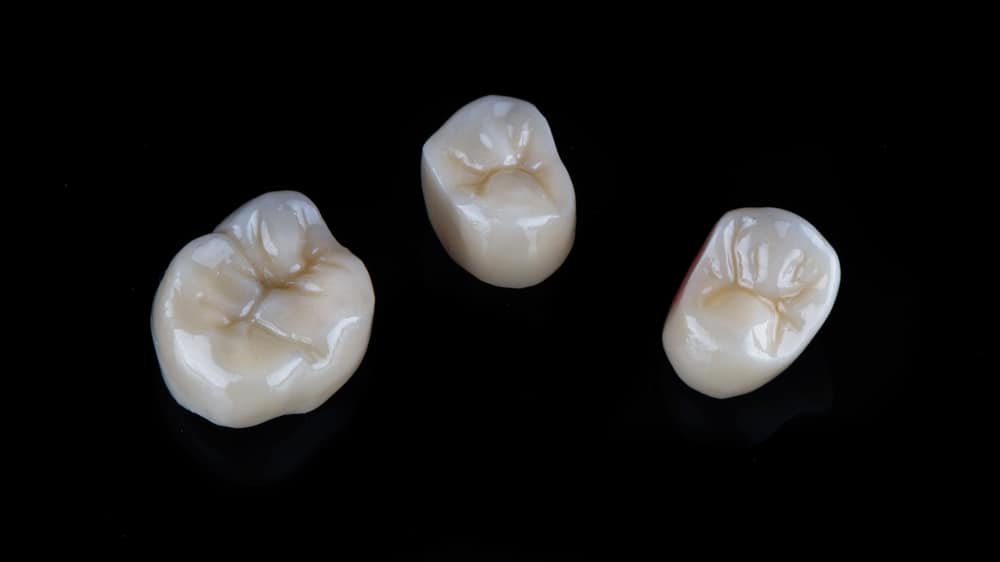
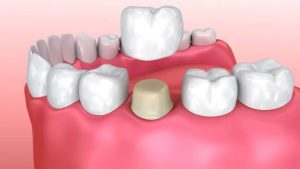
Teeth caps, commonly known as dental crowns, are restorative dental treatments designed to protect damaged teeth, restore their strength, and improve their appearance. Whether you have a cracked tooth, extensive decay, or a tooth that has undergone root canal treatment, a dental crown can help restore its function and protect the remaining natural tooth structure.
One of the most common questions patients ask is, how long do teeth caps last? The answer depends on several factors, including the crown material, oral hygiene habits, biting forces, and the condition of the natural tooth underneath.
In this guide, we explain the average lifespan of dental crowns, the factors that affect their durability, signs that a tooth cap may need replacing, and practical tips to help your crown last longer.
How Long Do Teeth Caps Last on Average?
Dental crowns can last many years with proper care. Many crowns last around 5 to 15 years, and some remain functional for considerably longer. However, there is no guaranteed lifespan because each person’s dental health, habits, and treatment needs are different.
A crown may need replacement if it becomes damaged, loosens, develops problems around its edges, or no longer protects the underlying tooth adequately. Sometimes, the crown itself remains intact, but decay or other problems develop in the natural tooth beneath it.
Regular dental check-ups allow your dentist to monitor the crown’s condition and identify potential issues before they become more serious.
What Is the Average Lifespan of Different Types of Dental Crowns?
The type of material used to make a dental crown can influence its durability, appearance, and suitability for different teeth. However, material alone does not determine how long a crown will last.
Porcelain and Ceramic Crowns
Porcelain and ceramic crowns are popular because they can closely resemble natural teeth. They are often used for front teeth, where appearance is particularly important.
Their lifespan depends on the specific ceramic material, bite pressure, and daily care. Although these crowns can last many years, chipping or cracking may occur, particularly when they are exposed to excessive force.
Zirconia Crowns
Zirconia crowns are made from a strong ceramic material and can offer excellent durability. They may be suitable for both front and back teeth, depending on the clinical situation.
Their longevity depends on factors such as crown design, fit, grinding habits, and oral hygiene. Your dentist can determine whether zirconia is suitable for your tooth and bite.
Porcelain-Fused-to-Metal Crowns
These crowns combine a metal base with a porcelain outer layer. They offer structural strength alongside a tooth-coloured surface.
Over time, the porcelain may chip or wear, and the metal edge may become visible if the gums recede. Proper maintenance and routine dental examinations can help identify these changes.
Metal Crowns
Metal crowns are known for their durability and resistance to fracture. They are often used for back teeth, where chewing forces are higher and appearance may be less important.
Their lifespan still depends on the condition of the underlying tooth, the quality of the restoration, and the patient’s oral health habits.
What Factors Affect How Long Teeth Caps Last?
Several factors influence the lifespan of a dental crown. Understanding these factors can help you protect your investment and maintain your oral health.
1. Oral Hygiene Habits
Good oral hygiene is essential for keeping a dental crown in good condition. Although the crown material itself cannot develop tooth decay, the natural tooth underneath or around its edges can.
Brush twice daily with fluoride toothpaste and clean between your teeth every day. Pay particular attention to the gum line surrounding the crown, where plaque can accumulate.
2. Teeth Grinding and Clenching
Grinding or clenching your teeth places additional pressure on dental crowns. Over time, excessive forces may contribute to wear, chipping, cracks, or loosening.
If you grind your teeth, ask your dentist whether a protective night guard may be appropriate. Managing the underlying cause of grinding can also help protect your natural teeth and restorations.
3. The Location of the Crown
Crowns on back teeth often experience greater chewing forces than crowns on front teeth. This can affect the type of material recommended and the stresses placed on the restoration.
The crown’s position, your bite, and the condition of surrounding teeth all influence its expected lifespan.
4. Crown Fit and Quality
A well-designed crown that fits correctly is important for comfort, function, and long-term maintenance. Poor fit or damaged margins may make it easier for plaque to accumulate or allow problems to develop around the underlying tooth.
Your dentist checks the fit and bite when placing the crown and monitors it during routine examinations.
5. Diet and Everyday Habits
Biting hard objects, chewing ice, opening packaging with your teeth, or frequently exposing teeth to damaging forces can increase the risk of crown damage.
Choosing foods appropriate for your dental condition and avoiding harmful habits can help preserve the restoration.
How Do You Know When a Dental Crown Needs Replacing?
Dental crowns do not always need replacement simply because they have reached a certain age. Your dentist will assess the crown’s condition and the health of the underlying tooth.
However, several warning signs may indicate that your crown needs professional attention.
Persistent Tooth Pain or Sensitivity
Ongoing pain or sensitivity around a crowned tooth may indicate an issue with the underlying tooth, gums, or bite. Although some temporary sensitivity can occur after treatment, persistent or worsening symptoms should be assessed by a dentist.
A Loose or Moving Crown
A crown that moves or feels loose may have a problem with its cement or the underlying tooth. Contact your dentist promptly to have it examined.
Visible Cracks or Chips
Cracks, chips, or damaged edges may affect the crown’s function and ability to protect the tooth. Minor damage may sometimes be managed without replacing the entire crown, depending on its location and severity.
Gum Changes Around the Crown
Gum recession can expose the edge of a crown and affect its appearance. Redness, swelling, or bleeding around the crowned tooth may indicate gum inflammation or another problem that needs attention.
Food Trapping or Changes in Your Bite
If food regularly becomes trapped around a crown or your bite suddenly feels uneven, arrange a dental assessment. These changes may indicate a fit issue, movement, or a problem with the surrounding teeth.
How Can You Make Your Teeth Caps Last Longer?
Although no dental crown lasts forever, consistent care can help extend its useful life.
Maintain a Daily Oral Hygiene Routine
Brush twice daily with fluoride toothpaste and clean between your teeth using floss or suitable interdental cleaners. Keeping the gum line clean helps reduce the risk of decay and gum disease around the crown.
Avoid Chewing Hard Objects
Do not chew ice, bite hard non-food objects, or use your teeth to open bottles and packaging. These habits can damage crowns as well as natural teeth.
Wear a Night Guard if Recommended
If you grind or clench your teeth during sleep, a dentist may recommend a custom night guard to reduce excessive pressure on your crowns and natural teeth.
Attend Regular Dental Check-Ups
Routine examinations allow your dentist to check the crown, its edges, the underlying tooth, and the surrounding gums. Professional advice can help identify problems early and determine whether repair or replacement is necessary.
Can a Dental Crown Be Repaired Instead of Replaced?
In some cases, a damaged dental crown can be repaired rather than replaced. The appropriate treatment depends on the material, the extent of the damage, the crown’s fit, and the condition of the underlying tooth.
Minor chips may sometimes be smoothed or repaired, while a loose crown may require assessment and recementing if the crown and tooth remain suitable.
However, a crown with extensive damage, poor fit, or significant problems underneath may need replacement. Your dentist will explain the available options after examining the restoration.
What Happens When a Dental Crown Needs Replacing?
If your dentist determines that a crown needs replacement, the existing restoration is removed and the underlying tooth is assessed. Any decay or other problems may need to be treated before a new crown is fitted.
The dentist may take impressions or digital scans to create the replacement crown. Depending on the procedure and available technology, you may need a temporary crown while the permanent restoration is prepared.
Replacing a crown does not necessarily mean losing the natural tooth. If enough healthy tooth structure remains, another crown may restore its function and protection.
Conclusion: How Long Should You Expect Your Tooth Cap to Last?
Dental crowns can last many years, with many remaining functional for around 5 to 15 years and some lasting much longer. Their lifespan depends on the crown material, oral hygiene, bite pressure, fit, and the health of the underlying tooth.
To help your tooth cap last longer, maintain good oral hygiene, avoid damaging habits, address teeth grinding, and attend regular dental check-ups. If you notice pain, looseness, visible damage, or changes around the crown, seek advice from your dentist.
With appropriate care and professional monitoring, a dental crown can remain a useful part of your oral health for many years. Your dentist can assess its condition and recommend the best approach to maintaining or replacing it when necessary.