

Common Mistakes to Avoid When Getting Dental Veneers
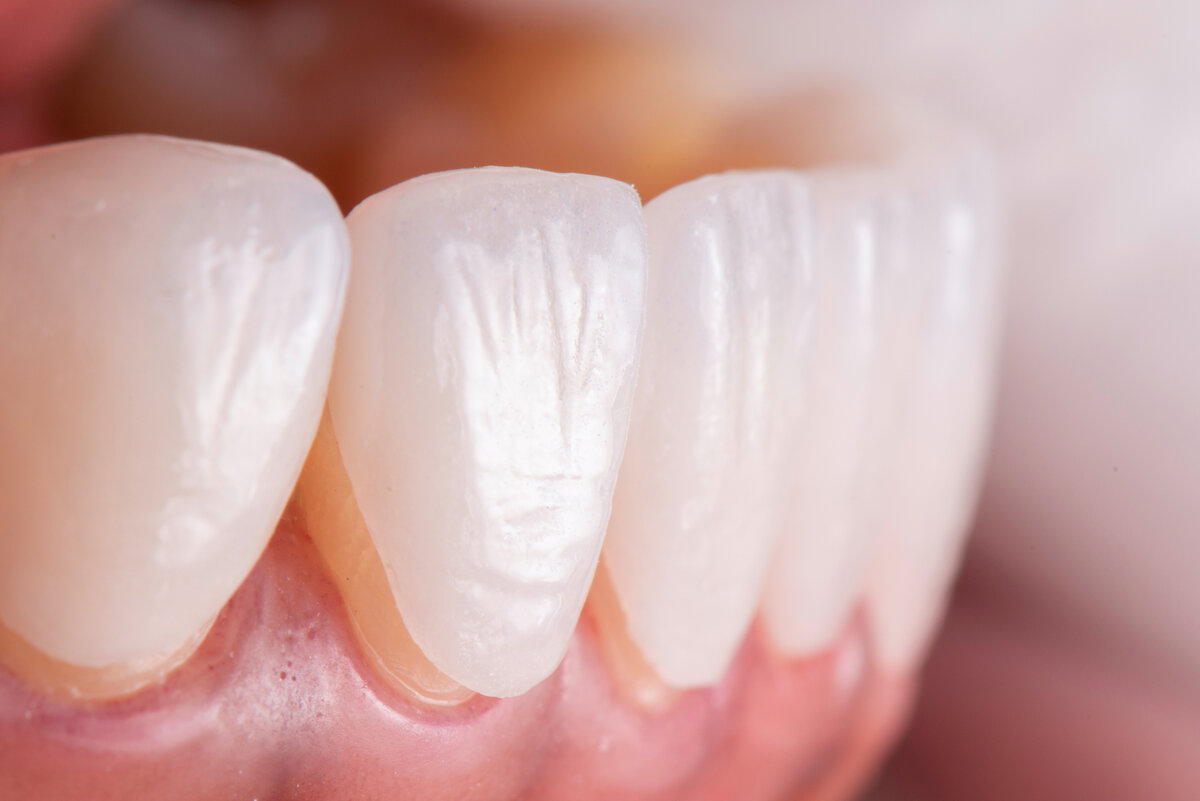
Dental veneers can be an effective way to improve the appearance of your smile. They may help address cosmetic concerns such as discolouration, minor chips, uneven tooth shapes, gaps, and other imperfections. However, getting veneers is an important dental decision that requires careful planning.
Whether you are considering porcelain veneers or composite veneers, understanding the common mistakes people can make before, during, and after treatment can help you approach the process with realistic expectations.
From choosing a treatment based solely on price to overlooking your oral health, there are several factors worth considering before committing to dental veneers.
1. Choosing Veneers Without a Dental Assessment
One of the most important mistakes to avoid is assuming that veneers are suitable for everyone. Although veneers are commonly associated with cosmetic dentistry, they are still a dental treatment and require healthy teeth and gums as a foundation.
Before treatment, your dentist should assess your teeth, gums, bite, and overall oral health. Existing problems such as tooth decay or gum disease may need to be treated before cosmetic treatment can begin.
Why a Dental Assessment Matters
A professional assessment allows your dentist to determine whether veneers are appropriate for your individual circumstances. In some cases, an alternative treatment may be more suitable.
Depending on your concerns, alternatives could include professional teeth whitening, composite bonding, orthodontic treatment, or dental crowns.
2. Choosing a Dentist Based Only on Price
Cost is naturally an important consideration when researching dental veneers. However, choosing a provider based solely on the cheapest price can be a mistake.
Veneer treatment involves diagnosis, treatment planning, tooth preparation where required, material selection, fabrication, fitting, and ongoing care. The quality and experience of the dental team can influence the treatment process and outcome.
What Should You Consider Besides Cost?
When comparing dental practices, consider factors such as the dentist’s qualifications, experience with cosmetic dentistry, treatment approach, materials used, technology, communication, and aftercare.
A consultation can give you an opportunity to ask questions and understand exactly what is included in the proposed treatment.
3. Expecting an Unrealistically Perfect Smile
Another common mistake is expecting veneers to create an identical smile to a photograph seen online or on social media.
Every person’s teeth, facial features, gums, and smile are different. Veneers should be planned around your individual characteristics rather than copied from another person.
Discuss Your Expectations Before Treatment
Talk openly with your dentist about the changes you would like to make. Discuss the desired tooth colour, shape, size, proportions, and overall appearance.
Your dentist can explain what is realistically achievable and whether veneers are capable of addressing your specific concerns.
4. Choosing an Unnatural Tooth Shade
It can be tempting to choose the brightest possible shade when getting veneers. However, an extremely white shade does not necessarily create the most natural-looking smile.
The ideal veneer shade depends on your preferences as well as factors such as your complexion, facial features, existing teeth, and the number of teeth being treated.
Think About Your Overall Smile
If only some teeth are receiving veneers, the shade should also be considered in relation to untreated natural teeth.
If you are planning teeth whitening, discuss this with your dentist before selecting your veneer shade. Whitening can change natural teeth, but it does not change the colour of existing veneers.
5. Not Asking About Tooth Preparation
Understanding how your teeth will be prepared is essential before receiving veneers. The amount of preparation varies depending on the type of veneer, your existing tooth shape, and the desired result.
Some veneer treatments may require removal of a small amount of enamel, while certain approaches may require minimal preparation.
Ask How Much Natural Tooth Structure Will Be Removed
Before treatment, ask your dentist to explain exactly what preparation is required. You should understand whether the procedure will alter your natural teeth and what this means for future treatment.
Being informed about tooth preparation can help you make a more confident decision.
6. Assuming Veneers Are Permanent
Dental veneers are designed to provide long-term cosmetic results, but they are not necessarily permanent. Over time, veneers may require repair or replacement.
Their longevity can depend on factors including the material, oral hygiene, bite forces, lifestyle habits, and the condition of the underlying teeth.
How Can You Extend the Life of Veneers?
Maintaining good oral hygiene and attending regular dental check-ups can help protect your veneers and natural teeth.
Avoid habits such as chewing ice, biting hard objects, opening packaging with your teeth, or excessively biting your nails. If you grind or clench your teeth, ask your dentist whether a protective night guard may be appropriate.
7. Ignoring Your Bite and Jaw Function
Cosmetic appearance is important, but your dentist also needs to consider how your teeth function together.
Your bite can affect the forces placed on veneers. If you have significant clenching, grinding, or other bite-related concerns, these may need to be addressed as part of your treatment planning.
Why Bite Assessment Is Important
A proper assessment helps your dentist understand how your teeth come together and where pressure is placed during biting and chewing.
Discuss any history of teeth grinding, jaw discomfort, chipped teeth, or excessive tooth wear during your consultation.
8. Choosing Veneers Without Considering Alternatives
Another mistake is assuming veneers are automatically the best solution for every cosmetic concern.
Depending on your needs, alternatives may include teeth whitening, dental bonding, orthodontic treatment, enamel reshaping, or crowns.
Ask About Less Invasive Options
Before committing to veneers, ask your dentist whether another treatment could achieve your desired result.
For example, if your primary concern is tooth colour and your teeth are otherwise suitable, professional teeth whitening may be an option to discuss.
Understanding your alternatives allows you to compare treatments rather than making a decision based on one option alone.
9. Neglecting Veneer Aftercare
Getting veneers does not mean you can stop looking after your natural teeth. The teeth underneath and around veneers still require regular care.
Brush and clean between your teeth as recommended by your dental professional and attend regular dental examinations.
Protect Your Investment
Good oral hygiene can help maintain the health of your gums and natural teeth. Your dentist can also monitor your veneers over time and identify potential issues before they become more serious.
Following your dentist’s personalised aftercare instructions is an important part of maintaining your smile.
10. Not Asking About the Total Cost
The cost of dental veneers can vary depending on factors such as the number of teeth treated, material, complexity of the case, laboratory fees, and dental practice.
Rather than asking only for the price per veneer, ask about the estimated total treatment cost.
Understand What Is Included
Ask whether the quoted price includes consultations, scans, temporary restorations, laboratory work, fitting appointments, adjustments, and follow-up care.
Understanding the complete cost before treatment can help you budget appropriately and avoid unexpected expenses.
11. Rushing Into Treatment
Veneers can create significant changes to the appearance of your smile, so rushing into treatment may lead to unnecessary uncertainty or unrealistic expectations.
Take time to understand your treatment plan and ask questions about anything you do not understand.
Prepare for Your Veneer Consultation
Before your appointment, write down your main concerns and the changes you would like to make. Ask about materials, preparation, expected results, maintenance, costs, risks, and alternatives.
A detailed consultation can help you understand whether veneers are appropriate for your goals.
Common Mistakes to Avoid When Getting Dental Veneers: The Bottom Line
Avoiding common mistakes when getting dental veneers starts with making an informed decision. Do not choose veneers solely based on price, assume they are suitable without an assessment, or expect them to be completely permanent.
Instead, work with a qualified dentist, discuss your cosmetic goals, understand the required tooth preparation, consider alternative treatments, and learn how to care for your veneers after treatment.
Dental veneers can be a significant cosmetic investment, so careful planning is essential. A personalised consultation can help you understand your options, establish realistic expectations, and determine whether veneers are suitable for your individual dental needs.