

How to Choose the Right Type of Veneers
If you are considering improving the appearance of your smile, dental veneers can be an option for addressing a range of cosmetic concerns. Veneers can change the visible colour, shape, size, and proportions of teeth, helping create a more consistent and balanced smile.
However, not all veneers are the same. There are different types of dental veneers, materials, designs, and treatment approaches to consider. Understanding your options is an important part of deciding which type of veneers may be suitable for your teeth.
What Are Dental Veneers?
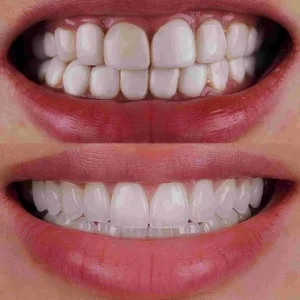
Dental veneers are thin coverings designed to bond to the visible surface of teeth. They are commonly used in cosmetic dentistry to improve the appearance of teeth affected by discolouration, minor chips, uneven shapes, gaps, or other cosmetic imperfections.
Depending on your dental needs, veneers may be made from porcelain, ceramic, composite resin, or other dental materials. Your dentist can assess your teeth and recommend an appropriate material and treatment approach.
What Are the Different Types of Veneers?
The term “veneers” can refer to several different types of cosmetic dental restorations. The most common options include porcelain veneers and composite veneers.
Porcelain Veneers
Porcelain veneers are custom-made restorations designed to fit over the front surface of a tooth. They are created to match the desired shape, size, and colour before being bonded to the tooth.
Porcelain is widely used in cosmetic dentistry because it can provide a natural-looking appearance. The material can be designed to resemble characteristics of natural enamel, making porcelain veneers a popular choice for people seeking comprehensive cosmetic improvements.
Composite Veneers
Composite veneers use tooth-coloured composite resin that is applied directly to the teeth. The dentist shapes and contours the material before hardening and polishing it.
Composite veneers can often be completed more quickly than laboratory-made porcelain restorations. They may also require less alteration of the natural tooth structure in certain cases. However, composite resin has different properties from porcelain and may be more susceptible to staining, chipping, or wear over time.
How Do You Choose the Right Type of Veneers?
Choosing the right type of veneers involves more than selecting a material based on appearance. Your dentist will consider the condition of your teeth, your oral health, your cosmetic goals, your bite, and the type of changes you want to make.
Consider Your Cosmetic Goals
Start by identifying what you want to change about your smile. Some people primarily want to improve tooth colour, while others may want to address shape, size, minor gaps, chips, or several concerns at once.
If you want a comprehensive change across multiple teeth, your dentist can discuss whether veneers are suitable and which material may achieve your desired result.
Consider the Condition of Your Teeth
Healthy teeth and gums are an important foundation for cosmetic dental treatment. Existing decay, gum disease, significant enamel damage, or other dental concerns may need to be addressed before veneers are considered.
Your dentist can examine your teeth and determine whether veneers are appropriate or whether another treatment would be more suitable.
Think About Appearance
The appearance of veneers depends on factors including material, colour, shape, translucency, tooth proportions, and treatment planning.
When selecting a veneer shade, it is important to consider your overall smile rather than simply choosing the whitest possible colour. A dentist can help create a shade that complements your facial features and surrounding teeth.
Porcelain vs Composite Veneers
Understanding the differences between porcelain and composite veneers can make your consultation more productive.
Appearance
Both porcelain and composite veneers can produce natural-looking results when carefully planned and placed. Porcelain is often selected for its aesthetic characteristics, while composite can also be shaped and polished to achieve an attractive result.
The final appearance depends on the quality of the material, the dentist’s technique, shade selection, and the individual characteristics of your smile.
Durability
The longevity of veneers varies depending on the material, oral hygiene, bite forces, lifestyle habits, and individual circumstances.
Porcelain veneers can provide long-term results when properly cared for, although they are not considered permanent. Composite veneers can also last for years but may be more prone to staining, chipping, and wear in some situations.
Maintenance
Both types of veneers require good oral hygiene and regular dental check-ups. Although veneers themselves cannot develop tooth decay, the natural tooth underneath and around the restoration still needs to be maintained.
Avoiding habits such as biting hard objects or using your teeth to open packaging can also help protect cosmetic restorations.
How Many Veneers Do You Need?
The number of veneers you need depends on the appearance of your smile and your treatment goals. Some people may choose to improve the appearance of a single tooth, while others may require several veneers to create a more consistent appearance across the visible teeth.
Your dentist can assess your smile and discuss how many teeth may need treatment. Factors such as your smile line, tooth proportions, symmetry, and the relationship between treated and untreated teeth can influence the treatment plan.
What About Minimal-Prep or No-Prep Veneers?
You may have heard of minimal-preparation or no-prep veneers. These approaches aim to reduce or, in selected cases, avoid traditional tooth preparation.
However, not every patient is suitable for these types of veneers. Factors such as tooth position, existing tooth shape, enamel availability, and the desired change can influence whether minimal-preparation veneers are appropriate.
It is important to have your teeth assessed rather than assuming a no-prep approach is suitable based on advertising or online information.
Are Veneers Right for Everyone?
Veneers are not appropriate for every person or every dental concern. Your dentist will consider your oral health, tooth structure, bite, and expectations before recommending treatment.
People with significant tooth damage, untreated dental disease, severe tooth wear, or certain bite issues may require other treatments before cosmetic veneers can be considered.
In some cases, alternatives such as teeth whitening, composite bonding, orthodontic treatment, or dental crowns may be more appropriate.
Questions to Ask Before Choosing Veneers
Before proceeding with veneers, consider asking your dentist:
- Which type of veneer is suitable for my teeth?
- What material do you recommend and why?
- How much natural tooth structure needs to be prepared?
- How many veneers would I need?
- What results can I realistically expect?
- How long are the veneers expected to last?
- What maintenance will be required?
- What alternatives should I consider?
Having clear answers can help you understand the treatment process and make an informed decision.
How Much Do Veneers Cost?
The cost of dental veneers varies depending on factors such as the material, number of teeth treated, complexity of the case, laboratory fees, and dental practice.
Composite veneers may have a lower initial cost than porcelain veneers in some cases, but pricing varies considerably. Rather than comparing treatments on price alone, consider the expected appearance, durability, maintenance, and suitability of each option.
Your dentist should provide information about the expected costs before treatment begins.
Choose Veneers Based on Your Smile and Dental Health
Choosing the right type of veneers starts with understanding your goals and having your teeth professionally assessed. Porcelain and composite veneers each have different characteristics, and the most suitable option will depend on your individual circumstances.
A qualified dentist can assess your teeth, discuss your expectations, explain the advantages and limitations of each material, and help develop a personalised treatment plan.
How to Choose the Right Type of Veneers: The Bottom Line
The right type of veneers depends on your dental health, cosmetic goals, budget, and desired result. Porcelain veneers can offer a durable, highly aesthetic option, while composite veneers can provide a more direct and potentially less costly approach for suitable cases.
Before choosing veneers, arrange a consultation with a qualified dentist. Understanding your options and the long-term considerations can help you make an informed decision about your smile and ensure that your chosen treatment is appropriate for your individual dental needs.