

Veneers vs Teeth Whitening: Which Should You Choose?
If you are unhappy with the colour of your teeth, two popular cosmetic dentistry options to consider are dental veneers and teeth whitening. Both treatments can improve the appearance of your smile, but they work in very different ways.
Understanding the differences between veneers vs teeth whitening can help you decide which treatment may be suitable for your smile goals. Teeth whitening focuses specifically on lightening the natural colour of your teeth, while veneers can change not only colour but also the shape and appearance of the teeth.
The right option will depend on factors such as the type of discolouration you have, the condition of your teeth, your desired results, and your dentist’s assessment.
What Is Teeth Whitening?
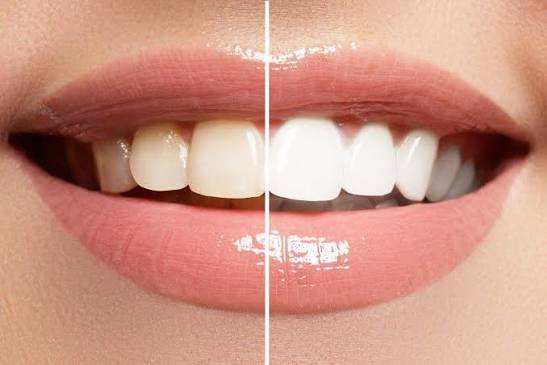
Teeth whitening is a cosmetic dental treatment designed to lighten the colour of natural teeth. Professional whitening treatments use bleaching agents to help remove or reduce certain stains and discolouration.
Teeth can become darker or stained over time due to ageing, food, drinks, tobacco use, and other factors. Professional teeth whitening may help restore a brighter appearance without changing the natural shape of the teeth.
What Can Teeth Whitening Treat?
Teeth whitening can be particularly useful for people whose main concern is tooth colour. Depending on the cause and severity of the staining, whitening may improve the appearance of:
- Yellow or darker natural teeth
- Surface stains
- Discolouration associated with certain foods and drinks
- Age-related tooth darkening
- Some types of staining caused by lifestyle habits
However, whitening does not change the shape or position of your teeth. It also may not effectively remove every type of internal or intrinsic discolouration.
What Are Dental Veneers?
Dental veneers are thin shells that are bonded to the front surfaces of teeth. They can be made from materials such as porcelain or composite resin and are commonly used in cosmetic dentistry to improve the overall appearance of a smile.
Unlike teeth whitening, veneers can address several cosmetic characteristics at once. Depending on your individual circumstances, veneers may alter the apparent colour, shape, size, and proportions of teeth.
What Can Veneers Improve?
Veneers may be considered for a variety of cosmetic concerns, including:
- Persistent tooth discolouration
- Minor chips or imperfections
- Uneven tooth shapes
- Small gaps between teeth
- Minor irregularities in tooth appearance
- Teeth that appear worn or disproportionate
A dentist will need to assess the health and structure of your teeth before determining whether veneers are appropriate.
Veneers vs Teeth Whitening: Key Differences
The biggest difference between veneers and teeth whitening is what each treatment is designed to accomplish.
Teeth whitening changes the colour of natural teeth. Veneers can change the appearance of the tooth’s front surface, potentially addressing colour alongside other cosmetic concerns.
If your teeth are healthy, evenly shaped, and your main concern is staining or a darker shade, whitening may be an option to discuss with your dentist. If you have several cosmetic concerns involving the shape, size, or colour of your teeth, veneers may be considered as part of a broader smile makeover.
Whitening Results
Teeth whitening can produce a noticeably brighter smile, but the results vary between individuals. The degree of whitening depends on factors including your starting tooth colour, the type of staining, the whitening method, and how your teeth respond to treatment.
Whitening is also not permanent. Your teeth can gradually become stained again through everyday exposure to foods, drinks, and other factors.
Veneer Results
Veneers can provide a more comprehensive cosmetic change because the restoration itself determines the visible colour and shape of the treated tooth.
Porcelain veneers are available in different shades and can be designed to complement your smile. The final appearance depends on factors such as the material, preparation, tooth proportions, shade selection, and quality of treatment planning.
Can Veneers Whiten Your Teeth?
Veneers can make your smile appear whiter because the colour of the restoration can be selected during treatment. However, veneers are not a tooth-whitening treatment in the traditional sense.
If you are considering both treatments, it is important to discuss the sequence with your dentist. Whitening natural teeth after veneers have been placed will not change the colour of the existing veneers. For this reason, dentists may recommend establishing your desired natural tooth shade before selecting the colour of new veneers.
Are Veneers or Teeth Whitening More Permanent?
Neither treatment should be considered completely permanent.
Teeth whitening results can fade over time as teeth are exposed to staining foods, beverages, tobacco, and normal ageing. Depending on your circumstances, maintenance treatments may be required to help maintain the desired shade.
Veneers are also not permanent. Although quality veneers can provide long-term cosmetic results, they may eventually need to be repaired or replaced. Their lifespan can be affected by oral hygiene, biting forces, lifestyle habits, material, and the condition of the underlying teeth.
Regular dental check-ups and good oral hygiene are important for maintaining both your natural teeth and any cosmetic dental work.
Which Treatment Is Right for You?
There is no universal answer to the question of whether veneers or teeth whitening is better. The appropriate treatment depends on your individual dental needs and cosmetic goals.
Teeth Whitening May Be Worth Considering If:
- Your main concern is tooth colour.
- Your teeth are relatively even in shape.
- You want a brighter smile without changing tooth shape.
- Your discolouration is likely to respond to whitening.
- You are looking for a less extensive cosmetic treatment.
Veneers May Be Worth Considering If:
- You want to address more than tooth colour.
- You have cosmetic concerns involving tooth shape or proportions.
- You have discolouration that may not respond well to whitening.
- You want to make several cosmetic changes as part of one treatment plan.
- Your dentist determines that veneers are appropriate for your teeth.
Can You Have Teeth Whitening Before Veneers?
In some cases, patients may choose to whiten their natural teeth before receiving veneers. This can be useful when the desired veneer shade needs to complement the surrounding natural teeth.
The timing of treatment should be discussed with your dentist. Once veneers have been placed, whitening products generally cannot change the colour of the veneer material in the same way they affect natural tooth enamel.
Veneers vs Teeth Whitening Cost
The cost of veneers and teeth whitening can vary considerably depending on the treatment method, number of teeth involved, materials used, dental practice, and individual circumstances.
Teeth whitening is generally a less extensive treatment than receiving veneers. Veneers involve the planning, preparation, fabrication, and placement of individual restorations, so the overall cost can be higher.
Rather than choosing a treatment based solely on price, discuss the expected results, maintenance requirements, and alternatives with your dentist.
Talk to Your Dentist About Your Options
Choosing between veneers vs teeth whitening starts with identifying what you want to change about your smile. If your primary concern is staining or tooth colour, professional teeth whitening may be an option. If you want to address colour along with the shape, size, or appearance of your teeth, veneers may be worth discussing.
A dental examination can help determine whether your teeth and gums are suitable for cosmetic treatment. Your dentist can also explain the expected results, potential risks, treatment process, and alternatives.
Veneers vs Teeth Whitening: The Bottom Line
Teeth whitening and dental veneers can both improve the appearance of your smile, but they achieve different results. Whitening is primarily focused on brightening natural teeth, while veneers can alter the visible appearance of teeth in several ways, including colour and shape.
If you are unsure which treatment is right for you, speak with a qualified dentist about your goals and expectations. A personalised assessment can help you understand your options and choose a treatment plan that suits your individual smile and dental health.