

Veneers vs Crowns: Which Is Right for Your Smile?
When considering cosmetic or restorative dental treatment, two popular options are veneers and crowns. Both can improve the appearance of your teeth, but they serve different purposes and are designed to address different dental concerns.
Understanding the difference between veneers vs crowns can help you have a more informed conversation with your dentist about the most suitable treatment for your smile. Factors such as tooth condition, desired results, durability, and how much of the natural tooth needs to be restored can all influence the recommended option.
What Are Dental Veneers?
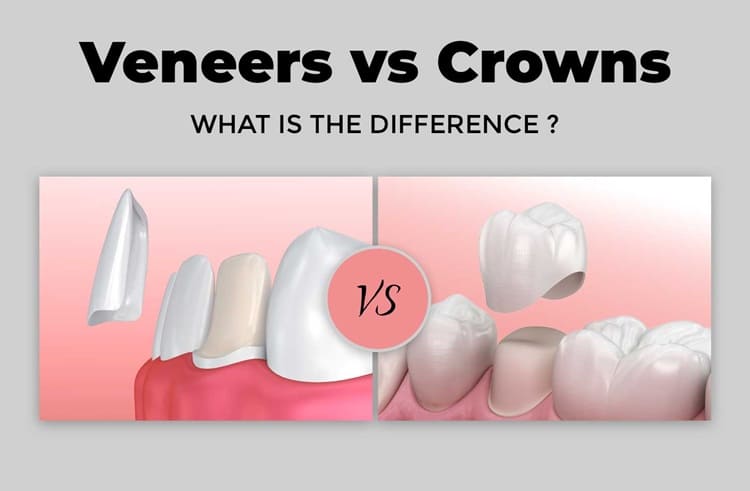
Dental veneers are thin shells of tooth-coloured material that are bonded to the front surface of a tooth. Porcelain veneers are commonly used in cosmetic dentistry to improve the appearance of teeth while maintaining a relatively natural-looking result.
Veneers can be used to address several cosmetic concerns, including discolouration, minor chips, uneven tooth shapes, and small gaps between teeth. They are generally focused on improving the visible appearance of otherwise suitable teeth.
What Can Veneers Fix?
Depending on your individual circumstances, veneers may help improve the appearance of:
- Discoloured or stained teeth
- Minor chips and imperfections
- Uneven or irregularly shaped teeth
- Small gaps between teeth
- Minor cosmetic inconsistencies
- Teeth that appear slightly worn or disproportionate
Veneers are primarily a cosmetic treatment. Your dentist will need to assess the health and structure of your teeth before determining whether veneers are appropriate.
What Are Dental Crowns?
Dental crowns are tooth-shaped restorations that cover a larger portion of a tooth. Unlike veneers, which generally cover only the visible front surface, a crown is designed to restore and protect a tooth that may have significant structural damage or weakness.
Crowns can be made from different materials, including porcelain, ceramic, metal, or combinations of materials. The appropriate material depends on factors such as the location of the tooth, its condition, functional requirements, and your dentist’s recommendation.
When Are Dental Crowns Used?
Crowns may be recommended when a tooth has experienced substantial damage or requires additional structural support. Common situations can include:
- Teeth that have significant decay
- Cracked or weakened teeth
- Teeth with extensive fillings
- Teeth that have undergone root canal treatment
- Severely worn or damaged teeth
- Teeth requiring substantial restoration
Because crowns cover much more of the tooth than veneers, they are often considered when restoring the strength and function of a compromised tooth is an important part of treatment.
Veneers vs Crowns: What Is the Difference?
The main difference between veneers and crowns is the amount of the tooth they cover and the purpose of the treatment.
Veneers are generally placed over the front surface of a tooth and are commonly associated with cosmetic improvements. Crowns cover the tooth more extensively and are often used when a tooth requires significant restoration or protection.
The right choice depends on your individual dental needs rather than simply which treatment looks better.
Appearance
Both veneers and crowns can be designed to closely match the colour and appearance of natural teeth. Porcelain and ceramic restorations can provide highly aesthetic results when they are carefully planned and fitted.
Veneers are particularly associated with cosmetic smile improvements because they can alter the colour, shape, and proportions of visible teeth.
Tooth Structure
Veneers generally require less tooth coverage than crowns, although the amount of natural tooth preparation varies depending on the treatment plan and the type of veneer being used.
Crowns require more extensive preparation because the restoration needs to fit over the tooth. Your dentist will assess how much healthy tooth structure remains before recommending a treatment.
Purpose
Veneers are primarily used to improve the appearance of suitable teeth. Crowns can combine aesthetic improvements with restorative and protective functions.
This distinction is important when deciding between veneers and crowns. A healthy tooth with a cosmetic concern may be approached differently from a severely damaged tooth that needs structural reinforcement.
Are Veneers or Crowns More Durable?
Both veneers and crowns can provide long-lasting results when properly planned, fitted, and maintained. However, their longevity can vary depending on the material used, oral hygiene, bite forces, lifestyle habits, and individual dental health.
Good oral hygiene is important for either treatment. Regular dental check-ups can also help your dentist monitor the condition of your restorations and the teeth supporting them.
Habits such as biting hard objects, chewing ice, or using your teeth to open packaging can increase the risk of damaging dental restorations.
Which Is Better: Veneers or Crowns?
There is no single option that is right for everyone. The choice between veneers vs crowns depends on the condition of the tooth and the goals of treatment.
If the primary concern is cosmetic and the tooth is structurally healthy enough, veneers may be considered. If the tooth is significantly weakened, damaged, decayed, or requires substantial restoration, a crown may be more appropriate.
Your dentist can examine your teeth, assess your bite and oral health, and explain the benefits and limitations of each option.
Questions to Ask Your Dentist
Before choosing veneers or crowns, consider asking your dentist:
- Which treatment is suitable for my teeth?
- How much natural tooth structure needs to be removed?
- What material would you recommend?
- How long can I expect the restoration to last?
- What maintenance will be required?
- What are the potential risks or complications?
- Are there alternative treatments I should consider?
These questions can help you understand what the treatment involves and what results you can reasonably expect.
How to Choose Between Veneers and Crowns
The decision should be based on your dental health as well as your cosmetic goals. A comprehensive dental examination is an important first step because a tooth may require restorative treatment before cosmetic treatment can be considered.
It is also worth discussing your expectations with your dentist. The shape, colour, size, and overall appearance of your smile can all be considered when developing a personalised treatment plan.
Veneers vs Crowns: The Bottom Line
Both dental veneers and crowns can play an important role in improving smiles, but they are not interchangeable treatments. Veneers are generally associated with cosmetic changes to the front surface of suitable teeth, while crowns provide more extensive coverage and can help restore and protect structurally compromised teeth.
If you are deciding between veneers and crowns, the best starting point is a consultation with a qualified dentist. They can assess your individual teeth, discuss your goals, explain the available options, and recommend an approach based on your oral health and treatment needs.
Ultimately, choosing the right dental restoration is about more than appearance. The health, strength, function, and long-term condition of your teeth should all be considered when planning your smile.