

How Often Should You Change Your Toothbrush Head?
If you use an electric toothbrush every day, you may wonder how often you should change the toothbrush head. While replacing the toothbrush head is a small part of your oral hygiene routine, using a worn-out head for too long can affect your brushing experience.
So, how often should you change your toothbrush head? A commonly used guideline is approximately every three months, but the exact timing can vary depending on how often you brush, how much pressure you use and the condition of the bristles.
In this guide, we’ll explain when to replace your toothbrush head, how to recognise signs of wear and what to consider when choosing replacement toothbrush heads.
How Often Should You Change an Electric Toothbrush Head?
For most people, changing an electric toothbrush head approximately every three months is a useful general guideline. This gives you a regular schedule for replacing a head before it becomes excessively worn.
However, three months should not be treated as an exact expiration date. The condition of your toothbrush head is just as important as how long you have been using it.
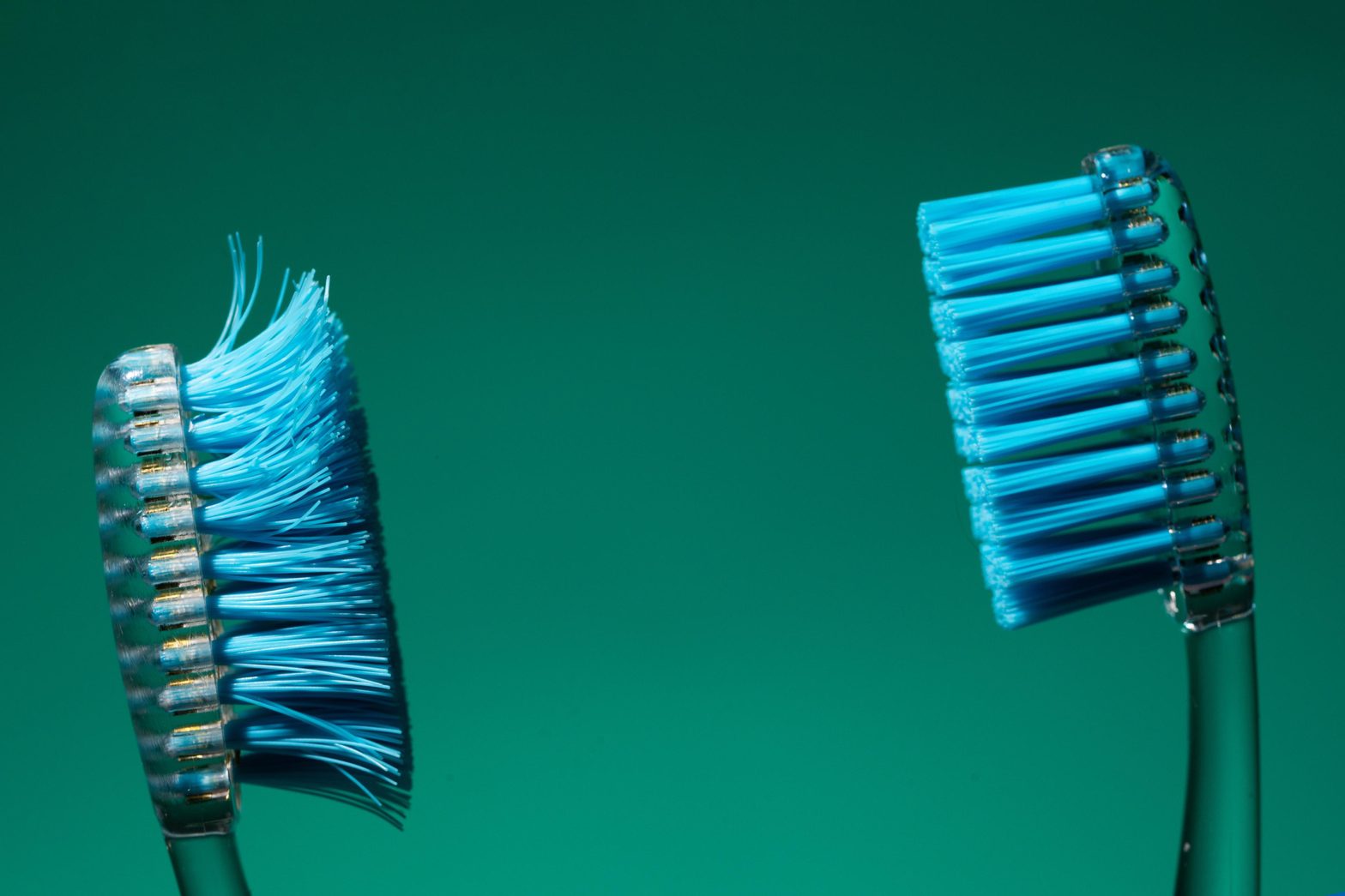
If your bristles become frayed, flattened, bent or damaged before three months have passed, you should replace the head sooner.
Why Is Three Months a Common Guideline?
Toothbrush heads are exposed to repeated use every time you brush. Over time, the bristles gradually lose their original shape.
As the bristles become worn, the toothbrush head may feel different and become less comfortable to use. Regular replacement provides a simple way to keep your toothbrush routine consistent.
What Happens If You Don’t Change Your Toothbrush Head?
Using the same toothbrush head for too long isn’t ideal, particularly if the bristles are visibly worn.
A toothbrush head with frayed, flattened or bent bristles may not provide the same brushing experience as a fresh one. It may also be more difficult to manoeuvre comfortably around your teeth and gumline.
Worn Bristles Can Affect Brushing
Your toothbrush head is designed to work with the movement of your electric toothbrush. As the bristles become distorted, their original configuration changes.
This doesn’t mean that a toothbrush suddenly stops cleaning your teeth after three months, but it does mean you should pay attention to visible wear rather than continuing to use a head indefinitely.
7 Signs You Should Change Your Toothbrush Head
While approximately three months is a useful schedule, several signs can tell you that your toothbrush head needs replacing sooner.
1. The Bristles Are Frayed
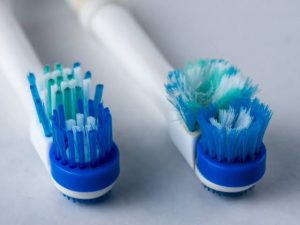
Frayed bristles are one of the clearest signs that your toothbrush head is worn. If the bristles are spreading outward or appear significantly different from when the head was new, it is time for a replacement.
2. The Bristles Are Flattened
Look at the toothbrush head from above. If the bristles have become flattened or compressed, they have experienced significant wear.
A flattened toothbrush head should be replaced rather than used until the bristles deteriorate further.
3. The Bristles Are Bent
Bent bristles can indicate excessive wear or brushing pressure. If the bristles no longer stand in their original arrangement, consider replacing the head.
If your heads become bent quickly, you may also want to reduce the pressure you apply while brushing.
4. The Head Looks Damaged
Cracks, loose components or other physical damage are reasons to replace an electric toothbrush head.
A damaged head may not attach securely to the toothbrush handle, so it is better to replace it rather than continue using it.
5. The Toothbrush Head Feels Uncomfortable
If the toothbrush head suddenly feels rough, uncomfortable or different when brushing, check the bristles for signs of wear.
If discomfort continues after changing the head, speak with a dental professional.
6. The Head No Longer Fits Securely
An electric toothbrush head should attach securely to its compatible handle. If it feels loose or wobbly, check whether the head is worn or damaged.
7. You Can’t Remember When You Last Replaced It
If you have no idea when you last changed your toothbrush head, that’s another good reason to replace it.
Keeping a regular replacement schedule can make it easier to remember when the next change is due.
Do Some People Need to Change Their Toothbrush Head More Often?
Yes. The three-month guideline doesn’t necessarily apply equally to everyone.
People who brush more frequently or use excessive pressure may notice that their toothbrush heads wear out more quickly.
Brushing Pressure Matters
Heavy pressure can cause bristles to bend and fray faster. It can also make brushing less comfortable.
If your electric toothbrush has a pressure sensor, use it to help you learn what appropriate pressure feels like. Otherwise, consciously try to guide the toothbrush gently rather than pressing it firmly against your teeth.
How Often Should Children Change Their Toothbrush Heads?
Children may sometimes wear out toothbrush heads faster than adults, particularly if they brush aggressively.
Parents should regularly inspect a child’s toothbrush head for bent, flattened or frayed bristles.
If the head looks worn before three months, replace it rather than waiting for the scheduled replacement date.
Choose a Child-Friendly Toothbrush Head
Always use a toothbrush head designed for the child’s specific electric toothbrush and age range where applicable.
If you are unsure which toothbrush head is appropriate, ask a dental professional for advice.
Does the Type of Toothbrush Head Affect How Often You Should Change It?
Different replacement toothbrush heads can feature different bristle designs and configurations. Some are marketed for sensitive teeth, whitening or deep cleaning.
Despite these differences, all toothbrush heads experience wear with regular use.
A specialised toothbrush head should still be replaced when the bristles become noticeably worn.
Soft vs. Medium Toothbrush Heads
Soft toothbrush heads may be preferred by people who want a gentler brushing experience, while medium toothbrush heads provide a firmer feel.
Regardless of which type you choose, inspect the bristles regularly and replace the head when it shows signs of significant wear.
How to Look After Your Toothbrush Head
Proper toothbrush care can help keep your toothbrush head in good condition between replacements.
Rinse the Head After Brushing
After brushing, rinse the toothbrush head thoroughly with water to remove toothpaste and debris.
Let It Air Dry
Allow your toothbrush head to dry between uses. Avoid keeping it permanently enclosed in a damp environment.
If you travel with your electric toothbrush, allow the head to dry before storing it in a suitable case whenever possible.
Don’t Share Toothbrush Heads
Toothbrush heads should be personal oral care products. Don’t share a toothbrush head with another person.
Each member of the household should have their own toothbrush and replacement heads.
How to Choose Replacement Toothbrush Heads
When it is time to change your toothbrush head, make sure your replacement is compatible with your electric toothbrush.
Different manufacturers and models can use different attachment systems, so a replacement head that looks similar may not necessarily fit.
Check Compatibility
Look at your toothbrush model before purchasing replacement heads. Check the packaging or manufacturer’s information to confirm compatibility.
Consider Your Oral Care Needs
Think about what you want from your toothbrush head. You may prefer soft bristles for comfort or a particular design for reaching difficult areas.
If you have sensitive teeth, gum concerns or other oral health issues, your dentist can help you choose an appropriate toothbrush and brushing routine.
Can You Change Your Toothbrush Head Too Often?
There is generally little reason to replace a toothbrush head significantly more frequently than necessary if the bristles remain in good condition.
Changing a head because it is visibly worn makes sense, but replacing a practically new head every few weeks is usually unnecessary for routine use.
Instead, follow the approximately three-month guideline while checking the condition of the bristles regularly.
How to Remember to Change Your Toothbrush Head
Forgetting to replace your toothbrush head is common, especially when your daily routine stays the same.
One easy solution is to set a recurring calendar or phone reminder every three months.
Use a Simple Replacement Schedule
You can choose a specific month or date as your replacement reminder. For example, replacing your toothbrush head at the start of each new season can provide an easy routine to remember.
Keep a few compatible replacement toothbrush heads at home so you have one available when it is time to make the change.
Does Changing Your Toothbrush Head Improve Oral Hygiene?
Regular toothbrush head replacement is one part of maintaining a consistent oral hygiene routine. A fresh head can provide a more comfortable brushing experience and prevents you from continuing to use excessively worn bristles.
However, changing your toothbrush head isn’t a substitute for good brushing habits.
Brush regularly using gentle pressure, clean between your teeth and visit your dentist for routine examinations.
Final Thoughts: How Often Should You Change Your Toothbrush Head?
So, how often should you change your toothbrush head? For most people, approximately every three months is a useful general guideline.
However, don’t wait if your toothbrush head shows obvious signs of wear. Frayed, flattened or bent bristles, physical damage, discomfort or a loose fit can all indicate that it is time for a replacement.
Looking after your toothbrush head, using gentle brushing pressure and choosing compatible replacement heads can help you maintain a reliable daily routine.
Ultimately, the goal is simple: use a toothbrush head that is comfortable, in good condition and appropriate for your electric toothbrush. Combine regular replacement with consistent brushing, cleaning between your teeth and professional dental care to support your overall oral health.