

When Should You Replace Your Toothbrush Head?
If you use an electric toothbrush, replacing the toothbrush head regularly is an important part of maintaining your oral hygiene routine. But how often should you replace an electric toothbrush head, and what signs indicate that it is time for a new one?
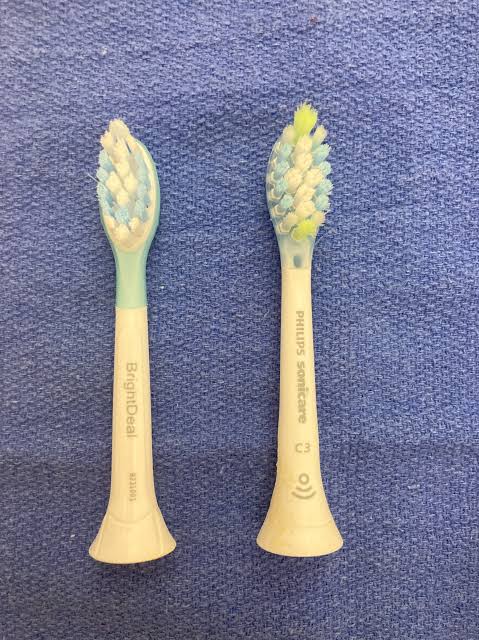
A worn toothbrush head can have frayed, flattened or damaged bristles, which may affect your brushing experience. Knowing when to replace your toothbrush head can help you keep your daily brushing routine effective and comfortable.
In this guide, we explain when you should replace your toothbrush head, the signs that it is worn out, and how to choose the right replacement toothbrush head for your electric toothbrush.
How Often Should You Replace Your Toothbrush Head?
For most people, a toothbrush head should be replaced approximately every three months. However, this is a general guideline rather than a strict rule. The condition of the bristles is one of the best indicators of whether your toothbrush head needs replacing.
If the bristles become visibly worn, bent, flattened or frayed before three months have passed, you may need to replace the head sooner.
On the other hand, if your toothbrush head still looks relatively new after three months, replacing it is still generally a sensible habit because toothbrush heads become less effective as they are used repeatedly.
Why Three Months Is a Useful Guideline
Your toothbrush head is exposed to repeated brushing, moisture and regular use. Over time, the bristles gradually lose their original shape and condition.
A fresh toothbrush head has bristles that are designed to contact your teeth and gums effectively. As those bristles wear down, the head may no longer provide the same brushing experience.
Replacing your toothbrush head regularly is therefore a simple way to keep your electric toothbrush routine fresh and consistent.
Signs You Need to Replace Your Toothbrush Head
You don’t necessarily have to wait until your toothbrush head reaches the three-month mark. There are several visible signs that can tell you it is time for a replacement.
1. The Bristles Are Frayed
One of the clearest signs that your toothbrush head needs replacing is frayed bristles. If the bristles are spreading outward or no longer maintain their original shape, the head is showing signs of wear.
Frayed bristles are particularly common when people brush with excessive pressure. If you notice this happening frequently, try using a lighter touch when brushing.
2. The Bristles Are Flattened or Bent
Another sign of a worn toothbrush head is bristles that have become flattened or permanently bent.
Your toothbrush head is designed to have a particular bristle arrangement. When those bristles become significantly distorted, it can affect how the head feels and performs during brushing.
If your bristles look noticeably different from when the toothbrush head was new, it is probably time to replace it.
3. The Toothbrush Head Looks Dirty
Toothbrush heads should be rinsed thoroughly after use and allowed to dry appropriately. If your toothbrush head develops persistent buildup, staining or an unpleasant appearance despite regular cleaning, replacing it may be appropriate.
Keeping your toothbrush head clean between uses is also an important part of maintaining good oral hygiene.
4. Your Toothbrush Head Feels Different
Sometimes you may notice that a toothbrush head simply doesn’t feel the same anymore. The bristles may feel softer, rougher or less comfortable than they did when the head was new.
Changes in texture can be another indication that the bristles have experienced significant wear.
What Happens If You Don’t Replace Your Toothbrush Head?
Continuing to use a heavily worn toothbrush head isn’t ideal. As the bristles become damaged, bent or flattened, the brushing experience can change.
A worn head may also make it more difficult to clean your teeth comfortably and thoroughly. Rather than trying to get extra use out of an old toothbrush head, replacing it when it shows significant wear is a simple solution.
Worn Bristles Can Affect Brushing Comfort
The condition of your bristles can affect how brushing feels against your teeth and gums. If the bristles become damaged or distorted, the toothbrush head may feel less comfortable.
If brushing regularly causes pain, irritation or bleeding, don’t simply assume that replacing the head will solve the issue. Speak to a dentist if these symptoms persist.
Do You Need to Replace Your Toothbrush Head Sooner?
Three months is a useful general guideline, but some people may need to replace their toothbrush heads more frequently.
For example, people who brush particularly vigorously may wear down their bristles faster. Children can also go through toothbrush heads relatively quickly because they may use more pressure or brush less consistently.
If you brush more than twice a day, your toothbrush head may also experience greater use than someone who follows a standard twice-daily routine.
Heavy Brushing Can Cause Faster Wear
Applying excessive pressure isn’t necessary for effective brushing and can contribute to faster bristle wear.
If your toothbrush has a pressure sensor, pay attention to its warnings. Otherwise, try to use gentle pressure and allow the toothbrush to do the work rather than pressing forcefully against your teeth.
How to Make Your Toothbrush Head Last Longer
While toothbrush heads need regular replacement, proper care can help keep them in good condition between replacements.
Rinse Your Toothbrush Head After Brushing
After brushing, rinse the toothbrush head thoroughly with water to remove remaining toothpaste and debris. Shake off excess water and store the toothbrush where it can dry between uses.
Allow the Head to Air Dry
Avoid keeping your toothbrush head permanently enclosed in a damp environment. Allowing it to air dry can help maintain better hygiene between uses.
If you travel with an electric toothbrush, use an appropriate ventilated case where possible and allow the toothbrush head to dry when you can.
Don’t Share Toothbrush Heads
Toothbrush heads are personal oral-care products and should not be shared. Each person should have their own toothbrush and replacement heads.
How to Choose the Right Replacement Toothbrush Head
When it is time to replace your toothbrush head, make sure you choose one that is compatible with your electric toothbrush.
Different toothbrush brands and models can use different attachment systems. A replacement head that looks similar may not necessarily fit your particular handle.
Check Your Toothbrush Model
Before buying replacement toothbrush heads, check the model and manufacturer’s compatibility information. This can help you avoid purchasing heads that don’t fit your toothbrush.
If you’re unsure, check the packaging, product documentation or manufacturer’s website for compatible replacement options.
Consider Your Bristle Type
The type of bristles can also influence your choice. Soft-bristle toothbrush heads are commonly preferred for comfortable everyday brushing, while some specialised heads are designed around particular brushing preferences.
If you have sensitive teeth or gums, ask your dentist which type of toothbrush head would be most suitable for you.
Does the Type of Toothbrush Head Affect Replacement Frequency?
Different toothbrush heads can have different designs, but the basic principle remains the same: replace the head when it becomes worn.
Specialised heads marketed for whitening, deep cleaning or sensitive teeth can still experience bristle wear over time. Don’t assume that a particular type of head can be used indefinitely simply because it has a specialised design.
Regularly inspect your toothbrush head regardless of which model you use.
Should You Replace Your Toothbrush Head After Being Sick?
If you have recently been ill, you may wonder whether you need to replace your toothbrush head immediately.
In many cases, simply maintaining good toothbrush hygiene is sufficient. However, if your toothbrush head is already worn or visibly contaminated, replacing it is a reasonable precaution.
If you have concerns about a specific illness or infection and whether your toothbrush should be replaced, ask a healthcare professional or dentist for personalised advice.
Why Regular Toothbrush Head Replacement Matters
Replacing your toothbrush head is a small part of your overall oral hygiene routine, but it is easy to overlook.
A fresh toothbrush head provides a clean starting point and ensures you aren’t continuing to use heavily worn bristles. Combined with consistent brushing, appropriate pressure and cleaning between your teeth, regular replacement can help you maintain a reliable daily oral-care routine.
Create a Toothbrush Replacement Routine
One simple way to remember when to replace your toothbrush head is to make it part of your regular routine. Some people replace their head at the beginning of each new season, while others set a reminder on their phone.
You can also check your toothbrush head whenever you replace other bathroom essentials. The important thing is to avoid continuing to use a head long after the bristles have become visibly worn.
Final Thoughts: When Should You Replace Your Toothbrush Head?
So, when should you replace your toothbrush head? For most people, approximately every three months is a useful guideline. However, you should replace it sooner if the bristles become frayed, flattened, bent, damaged or otherwise noticeably worn.
Choosing compatible replacement toothbrush heads and looking after them between uses can also help you maintain a consistent brushing routine.
Remember that replacing your toothbrush head is only one part of good oral hygiene. Brush regularly using appropriate technique and pressure, clean between your teeth, and visit your dentist for routine check-ups.
If you’re unsure whether your current toothbrush head needs replacing, take a close look at the bristles. If they no longer look or feel like they did when the head was new, it is probably time to make the switch.