

Is Your Toothbrush Head Making a Difference? Here’s What to Know
Choosing an electric toothbrush is only part of maintaining good oral hygiene. The toothbrush head you use can also make a noticeable difference to how effectively you clean your teeth and gums. From soft bristles designed for sensitive mouths to specialised heads for plaque removal and whitening, there are many options available.
But does the type of toothbrush head really matter? The short answer is yes. The right toothbrush head can make brushing more comfortable, help you reach difficult areas and support an effective daily oral hygiene routine.
If you have been wondering whether you should simply use whichever replacement head is available, this guide explains what to look for when choosing the best toothbrush heads for your needs.
Why Does Your Toothbrush Head Matter?
A toothbrush head is the part of your electric toothbrush that actually comes into contact with your teeth and gums. Its size, shape, bristle arrangement and firmness can all influence your brushing experience.
A well-designed toothbrush head can help remove plaque from the surfaces of your teeth and along the gumline. The right size can also make it easier to reach areas that are often missed, including the back teeth and other hard-to-reach spaces.
Using an unsuitable toothbrush head, on the other hand, may make brushing uncomfortable. A head that is too large can be difficult to manoeuvre, while overly firm bristles may feel harsh on sensitive teeth or gums.
The Right Fit Can Improve Your Brushing Routine
The most important consideration is finding a toothbrush head that works comfortably with your mouth and your electric toothbrush. A comfortable brushing experience makes it easier to maintain consistent oral hygiene habits.
Rather than assuming the most expensive or heavily marketed option is automatically the best, consider your individual needs, the manufacturer’s recommendations and the design of the head.
Different Types of Toothbrush Heads
Not all replacement toothbrush heads are designed in exactly the same way. Manufacturers offer different shapes and bristle configurations to suit different preferences and oral care requirements.
Soft-Bristle Toothbrush Heads
Soft toothbrush heads are a popular choice for everyday brushing. They are particularly useful for people who find firmer bristles uncomfortable or who want a gentler brushing experience.
Soft bristles can clean effectively when used with appropriate brushing technique and can be a good option for people concerned about irritating their gums.
Deep-Cleaning Toothbrush Heads
Some toothbrush heads are designed with bristles or configurations intended to provide a more thorough clean around the gumline and between areas of the teeth.
These can appeal to people who want to focus on plaque removal. However, a specialised head does not replace good brushing technique. Spending enough time brushing all areas of the mouth remains important.
Whitening Toothbrush Heads
Whitening toothbrush heads are often marketed toward people who want to improve the appearance of surface stains. Some feature polishing elements designed to help remove certain external stains caused by foods and drinks.
It is important to understand that toothbrush heads cannot dramatically change the natural colour of teeth. They may help with surface cleanliness and staining, but professional whitening treatments work differently.
Sensitive Toothbrush Heads
Sensitive toothbrush heads typically focus on providing a gentler brushing experience. They may feature particularly soft bristles or a design intended to reduce discomfort.
If brushing causes persistent sensitivity, pain or gum bleeding, changing the toothbrush head may not be enough. It is worth discussing ongoing symptoms with a dental professional.
How Do You Choose the Best Toothbrush Head?
Finding the best toothbrush head depends on more than choosing the most popular product. Your choice should take into account your toothbrush model, brushing preferences and oral health needs.
Check Compatibility First
Before buying replacement toothbrush heads, check that they are compatible with your electric toothbrush. Different brands and models can use different attachment systems, meaning not every head will fit every handle.
Always check the product packaging or manufacturer’s compatibility information before purchasing.
Consider Bristle Firmness
For many people, soft bristles are a comfortable choice for daily brushing. The ideal firmness can depend on your individual circumstances and advice from your dental professional.
Using excessive pressure while brushing can also be counterproductive. A good toothbrush head cannot compensate for aggressive brushing technique.
Think About Head Size
A smaller toothbrush head can make it easier to manoeuvre around individual teeth and reach the back of the mouth. Larger heads may cover more surface area at once but can sometimes be less convenient in smaller mouths.
There is no single head size that is perfect for everyone. Comfort and ease of use are important factors.
Does an Expensive Toothbrush Head Clean Better?
Price alone does not determine whether a toothbrush head is effective. Premium replacement heads may include additional design features, specialised bristles or other technologies, but that does not necessarily mean they are the right choice for every person.
The best toothbrush heads are the ones that are compatible with your toothbrush, comfortable to use and appropriate for your oral care needs.
It is also worth considering the long-term replacement cost. If a particular toothbrush head is expensive and difficult to replace, it may be less practical than a reliable option that fits your budget.
How Often Should You Replace Your Toothbrush Head?
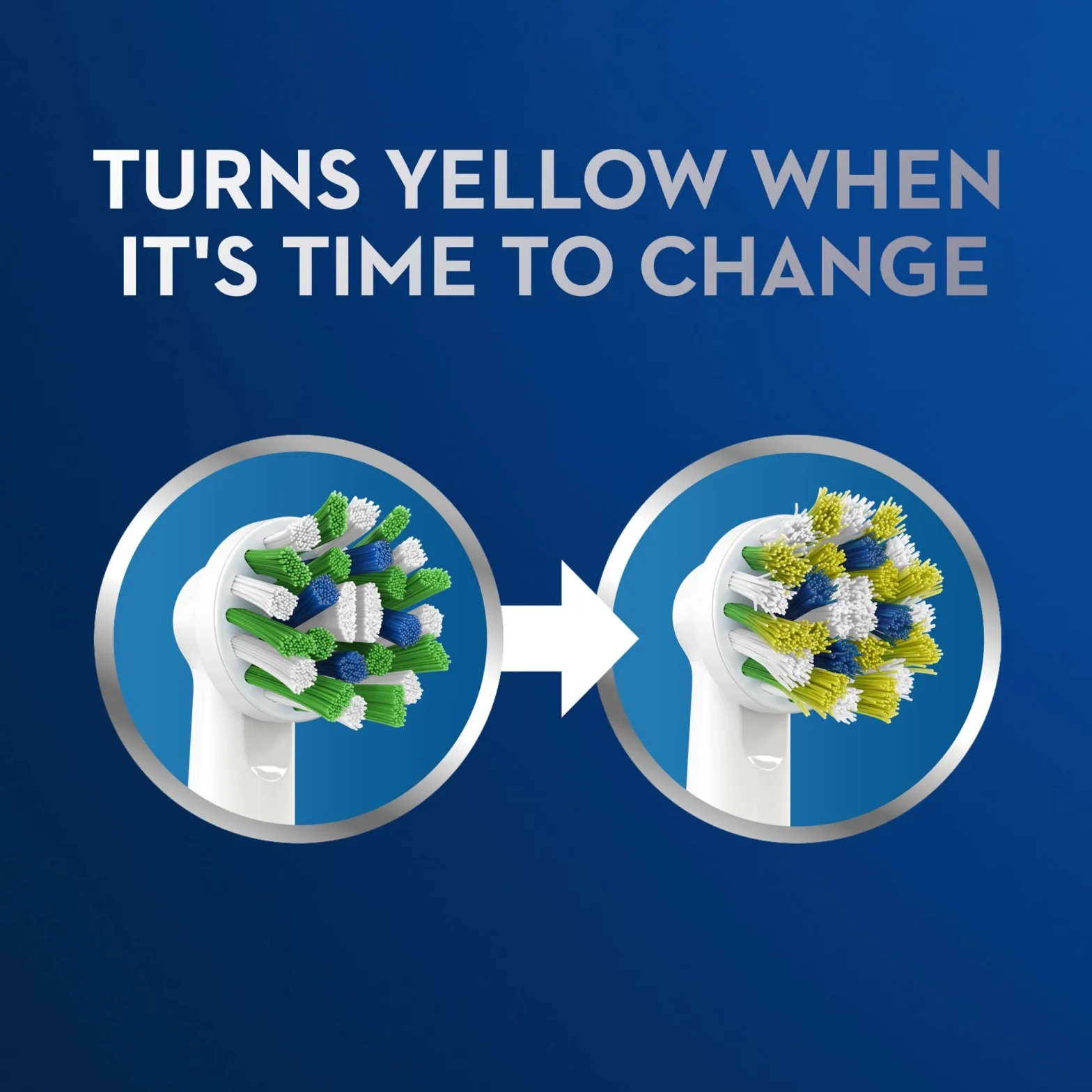
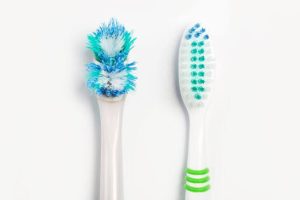
Even the best toothbrush heads need to be replaced regularly. Over time, bristles can become worn, bent or splayed, reducing the head’s ability to perform as intended.
A common recommendation is to replace a toothbrush head approximately every three months, although you may need to replace it sooner if the bristles become visibly worn.
Look for Signs of Wear
Don’t rely solely on the calendar. Inspect your toothbrush head regularly. If the bristles are frayed, flattened, bent or noticeably discoloured, it may be time for a replacement.
Children may also wear out toothbrush heads more quickly if they brush aggressively.
Can the Wrong Toothbrush Head Damage Your Gums?
Your toothbrush head is only one part of your brushing technique, but choosing an unsuitable head or using excessive pressure can contribute to an uncomfortable brushing experience.
Firm bristles and aggressive brushing may irritate the gums. If your gums regularly bleed during brushing, don’t simply assume that changing the toothbrush head will solve the problem.
Persistent bleeding, swelling, pain or sensitivity should be discussed with a dentist. These symptoms can have several possible causes and may require professional assessment.
Toothbrush Head vs. Brushing Technique
Even the best toothbrush head cannot replace good brushing habits. Your technique, consistency and overall oral hygiene routine remain extremely important.
Aim to brush all accessible tooth surfaces carefully rather than concentrating only on the front teeth. Pay attention to the gumline and difficult-to-reach areas, and avoid applying unnecessary pressure.
Your broader routine should also include cleaning between your teeth, such as with dental floss or interdental brushes, where appropriate.
Don’t Forget Your Gumline
Plaque can accumulate along the gumline, making this an important area to clean carefully. Positioning the toothbrush correctly and using gentle movements can help you clean this area without excessive pressure.
If you are unsure about the best technique for your particular electric toothbrush, ask your dentist or dental hygienist for guidance.
Are Replacement Toothbrush Heads Worth It?
For people who use an electric toothbrush, replacing the head is an essential part of maintaining the device. A worn toothbrush head is unlikely to provide the same brushing experience as a fresh one.
Replacement heads can also allow you to customise your brushing routine. For example, someone with sensitive gums may prefer a softer head, while another person may prefer a design focused on reaching difficult areas.
The key is not to choose a toothbrush head simply because it claims to offer the most advanced features. Instead, focus on compatibility, comfort, bristle quality and your individual requirements.
What Makes the Best Toothbrush Heads?
Ultimately, the best toothbrush heads combine several practical qualities. They should fit your electric toothbrush securely, feel comfortable against your teeth and gums, and allow you to clean your mouth thoroughly.
A good toothbrush head should also be easy to replace and reasonably affordable if you need to purchase replacements regularly.
A Simple Checklist Before Buying
Before choosing a replacement toothbrush head, consider:
Is it compatible with your electric toothbrush?
Are the bristles comfortable for your teeth and gums?
Is the head an appropriate size for your mouth?
Does its design suit your brushing needs?
Is the replacement cost reasonable?
Does the manufacturer provide clear usage and replacement guidance?
Answering these questions can help you narrow down the options and find a toothbrush head that suits your routine.
Final Thoughts: Does Your Toothbrush Head Make a Difference?
Yes, your toothbrush head can make a difference. The right design can improve comfort, manoeuvrability and your overall brushing experience, while the wrong option may make cleaning more difficult or uncomfortable.
However, there is no universally perfect toothbrush head. The best choice depends on your electric toothbrush, personal preferences and oral care needs.
If you’re looking for the best toothbrush heads, start by checking compatibility, choosing comfortable bristles and selecting a head size that allows you to reach all areas of your mouth. Replace worn heads regularly and focus just as much on good brushing technique as the product itself.
A quality toothbrush head is an important part of your oral hygiene routine, but consistency is what ultimately matters most. Combine an appropriate toothbrush head with thorough brushing, regular interdental cleaning and routine dental check-ups to support a healthy smile.