

How to Tell If Plaque Is Turning Into Tartar
Plaque and tartar are two common dental concerns, but they are not exactly the same thing. Plaque is a soft, sticky film of bacteria that constantly forms on your teeth. When plaque is not removed effectively, it can harden and become tartar, also known as dental calculus. Unlike soft plaque, hardened tartar cannot be removed with regular brushing or flossing and generally requires professional dental cleaning.
Knowing how to tell if plaque is turning into tartar can help you recognize buildup early and take steps to protect your teeth and gums. Tartar is more than a cosmetic concern because it can make plaque harder to remove and contribute to gum inflammation.
What Is Dental Plaque?
Dental plaque is a sticky film containing bacteria that forms on the surfaces of your teeth. It can develop along the gumline, between your teeth, and on areas that are difficult to reach with a toothbrush.
Plaque forms naturally throughout the day, particularly after eating and drinking. The goal of good oral hygiene is therefore not to eliminate plaque permanently, but to remove it regularly before it has a chance to harden.
Daily brushing and cleaning between your teeth can help control plaque. The American Dental Association recommends brushing twice a day and cleaning between your teeth daily.
What Is Tartar?
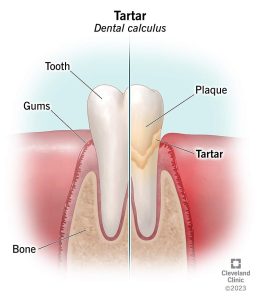
Tartar is hardened or mineralized plaque. When plaque remains on your teeth, minerals in saliva can cause it to become hard and firmly attached to the tooth surface.
Tartar is also called calculus. It can form above or below the gumline and may create rough surfaces where additional plaque can collect.
Unlike soft plaque, tartar cannot be effectively removed through normal brushing. Professional dental cleaning is generally needed to remove hardened deposits safely.
How Does Plaque Turn Into Tartar?
The transition from plaque to tartar happens when plaque is left on the teeth and becomes mineralized.
Step 1: Plaque Forms
Plaque begins forming as bacteria, saliva, and food particles interact in your mouth. It can collect on tooth surfaces and around the gums.
If you brush and clean between your teeth effectively, much of this soft plaque can be removed before it hardens.
Step 2: Plaque Remains on the Teeth
When plaque is not removed thoroughly, it can remain attached to the teeth. This may happen when you skip brushing, brush too quickly, or fail to clean between your teeth.
Plaque can be particularly difficult to control in crowded areas, around dental appliances, between teeth, and along the gumline.
Step 3: Plaque Becomes Mineralized
Over time, minerals can become incorporated into plaque, causing it to harden into calculus or tartar.
Once this happens, brushing and flossing are no longer enough to remove the hardened deposit. A dentist or dental hygienist can use professional instruments to remove it.
Signs Plaque May Have Turned Into Tartar
It is not always possible to tell exactly when plaque becomes tartar at home. However, there are several signs that may indicate hardened buildup.
Yellow or Brown Deposits
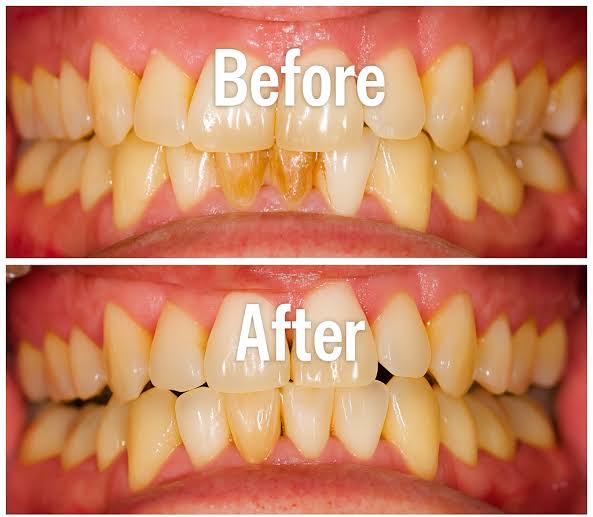
Tartar can appear as yellow, tan, brown, or darker deposits on the teeth. It is often noticeable near the gumline, although its appearance can vary.
Keep in mind that tooth staining from foods, drinks, tobacco, or other sources can look similar. A dental professional can determine whether a deposit is tartar.
Hard or Rough Areas on Your Teeth
Soft plaque can often feel sticky or fuzzy, while tartar feels hard and rough. You may notice a rough patch when your tongue passes over a particular tooth.
Do not try to scrape the area with a sharp object. Attempting to remove tartar yourself can injure your gums or damage the tooth surface.
Buildup Along the Gumline
Tartar commonly develops around the gumline because plaque can accumulate there. Deposits in this area can make effective brushing more difficult and may contribute to gum irritation.
Bleeding or Swollen Gums
Plaque and tartar around the gumline can contribute to gingivitis, which may cause gums to become red, swollen, tender, or prone to bleeding.
Bleeding while brushing or cleaning between your teeth should not simply be dismissed as normal. It can be a sign of gum inflammation that deserves attention.
Persistent Bad Breath
Plaque and tartar can contribute to an environment where bacteria accumulate. These bacteria may contribute to unpleasant breath.
Persistent bad breath can have many causes, however, so it is important not to assume tartar is responsible without a dental examination.
Can You Remove Tartar at Home?
You can remove soft plaque at home through effective brushing and cleaning between your teeth. However, once plaque has hardened into tartar, home brushing and flossing cannot reliably remove it.
It is important not to use sharp tools, metal objects, fingernails, or household instruments to scrape tartar from your teeth. These methods can damage enamel, gums, fillings, crowns, or other dental work.
Professional dental cleaning is the safer way to remove hardened tartar.
How Professional Dental Cleaning Removes Tartar
During a professional cleaning, a dentist or dental hygienist can assess your teeth and gums and remove accumulated plaque and tartar.
Scaling
Scaling involves using specialized dental instruments to remove plaque and hardened calculus from tooth surfaces. Depending on your oral health, deposits may need to be removed from above or below the gumline.
A routine scale and polish is designed to remove plaque and tartar buildup.
Polishing
After scaling, your dental professional may polish your teeth. Polishing can help remove certain surface deposits and stains and leave the teeth feeling smoother.
Professional cleaning is not a permanent solution to plaque formation, because plaque naturally begins forming again. Daily oral hygiene remains essential.
Why Tartar Should Not Be Ignored
Tartar is not simply something that makes your teeth look dirty. It can make maintaining good oral hygiene more difficult by creating rough surfaces where plaque can collect.
Tartar around the gumline can also be associated with gum inflammation. If gum disease progresses, it can affect the tissues and bone supporting the teeth.
The earlier plaque is removed, the less opportunity it has to harden into tartar.
How to Prevent Plaque From Turning Into Tartar
The best way to prevent tartar buildup is to remove plaque regularly before it becomes mineralized.
Brush Your Teeth Twice a Day
Brush your teeth twice a day for approximately two minutes using fluoride toothpaste. Make sure you clean all tooth surfaces and pay attention to the gumline.
The NHS recommends brushing twice daily with fluoride toothpaste to help prevent plaque buildup and maintain oral health.
Clean Between Your Teeth Daily
A toothbrush cannot effectively clean every space between teeth. Floss or use an appropriate interdental cleaner once a day to remove plaque and food debris from these hard-to-reach areas.
Interdental cleaning is particularly important because plaque between teeth can remain even when the visible surfaces look clean.
Use Fluoride Toothpaste
Fluoride toothpaste helps protect teeth against decay while brushing removes plaque from the tooth surfaces.
Use toothpaste containing fluoride unless your dental professional has recommended a different product for your individual needs.
Limit Frequent Sugary Foods and Drinks
Frequent consumption of sugary foods and drinks can increase the risk of tooth decay because plaque bacteria can produce acids that attack tooth enamel. Limiting frequent sugar exposure can support better oral health.
Visit Your Dentist Regularly
Regular dental examinations and professional cleanings allow your dental team to monitor your oral health and remove tartar that cannot be removed at home.
Your dentist can also recommend an appropriate cleaning schedule based on your individual needs.
Plaque vs Tartar: What’s the Difference?
Understanding the difference between plaque and tartar can make oral hygiene easier to understand.
Plaque is a soft bacterial film that forms continuously on your teeth. It can usually be removed through effective brushing and cleaning between your teeth.
Tartar is plaque that has hardened and become mineralized. It is firmly attached to the teeth and cannot be effectively removed through normal home cleaning.
In simple terms, plaque can be removed at home, while tartar generally requires professional removal.
When Should You See a Dentist?
Arrange a dental appointment if you notice hard deposits on your teeth, persistent gum bleeding, swollen or painful gums, persistent bad breath, tooth sensitivity, or other changes in your mouth.
You should also avoid delaying professional care simply because your teeth do not hurt. Gum disease can sometimes develop without obvious pain, and early assessment can help identify problems before they become more advanced.
If tartar has accumulated below the gumline or you have signs of gum disease, your dentist may recommend more extensive treatment. Scaling and root planing, for example, is a deeper cleaning used to treat gum disease when deposits are present below the gumline.
Frequently Asked Questions About Plaque and Tartar
How quickly can plaque turn into tartar?
The timing can vary between individuals. Plaque that is not removed can mineralize and become calculus, but there is no single timeframe that applies to everyone.
Does tartar go away when you brush?
No. Brushing helps prevent and remove soft plaque, but hardened tartar requires professional dental cleaning.
Can mouthwash remove tartar?
Mouthwash may help reduce plaque and bacteria depending on its ingredients, but it cannot remove established hardened tartar. Mechanical cleaning and professional treatment are required for tartar removal.
Is tartar the same as plaque?
No. Tartar is hardened, mineralized plaque. Plaque is soft and removable through effective home care, while tartar is firmly attached and generally requires professional removal.
Final Thoughts on Plaque Turning Into Tartar
Knowing how to tell if plaque is turning into tartar can help you recognize when your teeth need additional professional care. Soft plaque is a normal part of oral health, but leaving it on your teeth allows it to become mineralized and form hard tartar.
Look for hard or rough deposits, yellow or brown buildup around the gumline, bleeding gums, swelling, or persistent bad breath. These signs do not confirm that you have tartar, but they are good reasons to arrange a dental examination.
The best way to prevent plaque from turning into tartar is consistent daily oral hygiene. Brush twice a day with fluoride toothpaste, clean between your teeth daily, limit frequent sugary foods and drinks, and attend regular dental appointments.
If tartar has already formed, do not attempt to scrape it away yourself. A dentist or dental hygienist can safely remove hardened deposits and assess the health of your teeth and gums. By controlling plaque before it hardens, you can make daily cleaning easier and support healthier teeth and gums over the long term.
::