

Plaque on Your Teeth: Causes, Risks, and Prevention
Plaque on your teeth is one of the most common oral health concerns, but many people do not realize how quickly it can develop. Dental plaque is a sticky film containing bacteria that forms continuously on the surfaces of your teeth. Without effective daily oral hygiene, plaque can contribute to tooth decay, bad breath, gum inflammation, and other dental problems.
Understanding what causes plaque on your teeth, the risks associated with buildup, and how to prevent it can help you maintain healthier teeth and gums. While brushing and flossing are essential, professional dental care also plays an important role in removing hardened plaque, known as tartar.
What Is Plaque on Your Teeth?
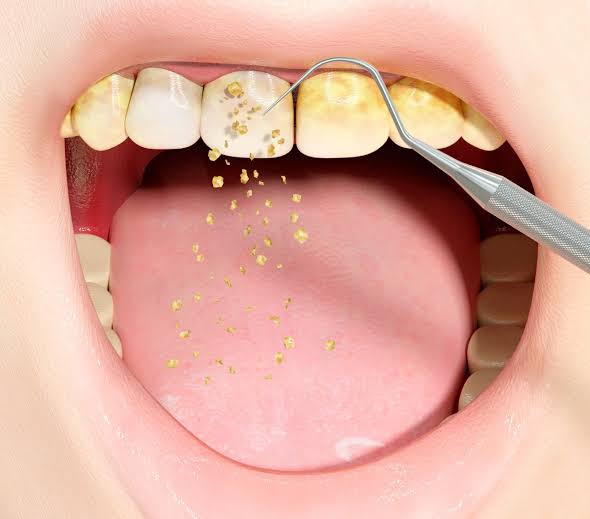
Dental plaque is a soft, sticky layer that forms on teeth when bacteria in your mouth interact with food particles and saliva. Plaque can develop on almost any tooth surface, including along the gumline and between teeth.
Plaque begins forming soon after you clean your teeth, which means it is a normal part of having a mouth. The goal of good oral hygiene is not to prevent plaque from ever forming, but to remove it regularly before it can cause damage.
If plaque remains on your teeth for too long, it can contribute to dental problems. Regular brushing, cleaning between your teeth, and professional dental appointments can help keep plaque under control.
What Causes Plaque to Build Up on Your Teeth?
Plaque develops naturally, but certain habits and circumstances can encourage greater buildup.
Food and Drink
Bacteria in dental plaque can use sugars and carbohydrates from foods and drinks. Frequent consumption of sugary foods and beverages can increase the conditions that allow harmful bacteria to produce acids that affect tooth enamel.
This does not mean you need to eliminate every source of carbohydrates from your diet. Instead, limiting frequent sugary snacks and choosing water more often can support better oral health.
Inadequate Brushing
Plaque can accumulate when teeth are not brushed thoroughly. Missing areas such as the back teeth, gumline, or inner surfaces can leave plaque behind.
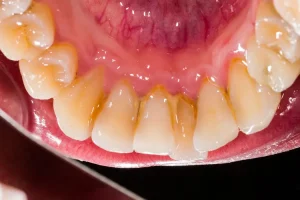
Brushing twice a day with fluoride toothpaste is an important part of removing plaque and helping prevent tooth decay.
Not Cleaning Between Your Teeth
A toothbrush cannot effectively reach every surface between your teeth. Plaque can therefore remain in these spaces unless you use floss or another suitable interdental cleaning method.
Cleaning between your teeth once a day can help remove plaque and food debris from areas that brushing alone may miss.
Dry Mouth
Saliva plays an important role in maintaining the mouth’s natural environment. Reduced saliva flow can contribute to a greater risk of tooth decay and other oral health problems.
Dry mouth can have several causes, including certain medications and medical conditions. If you regularly experience a dry mouth, speak with your dentist or healthcare professional.
What Happens If Plaque Is Left on Your Teeth?
Plaque that is not removed can contribute to several oral health problems.
Tooth Decay
One of the major risks associated with plaque is tooth decay. Bacteria in plaque can produce acids that attack tooth enamel. Repeated acid attacks can weaken enamel and eventually contribute to cavities.
Regular brushing with fluoride toothpaste, cleaning between your teeth, and limiting frequent sugar consumption can help reduce the risk of tooth decay.
Gingivitis
Plaque buildup along the gumline can irritate the gums and cause gingivitis. Common signs include red, swollen, or bleeding gums.
Gingivitis is an early form of gum disease and should not be ignored. Improving oral hygiene and receiving professional dental care can help manage the condition.
Periodontitis
If gum disease is not addressed, it can progress to periodontitis, a more serious condition affecting the tissues that support the teeth.
Periodontitis can cause gum recession, bone loss, loose teeth, and eventually tooth loss. Regular dental examinations can help identify gum problems before they become more advanced.
Bad Breath
Plaque and bacteria can also contribute to persistent bad breath. Bacteria can accumulate on teeth, along the gumline, and on the tongue.
Maintaining good oral hygiene and addressing underlying dental problems can help improve oral freshness.
What Is Tartar and How Is It Related to Plaque?
Tartar, also called dental calculus, develops when plaque becomes hardened through mineralization. Unlike soft plaque, tartar cannot be removed effectively with ordinary brushing.
Tartar can form above or below the gumline and may create additional surfaces where plaque can collect. Once tartar develops, professional dental cleaning is usually needed to remove it safely.
This is one reason regular dental checkups and professional teeth cleanings are important, even when you have a consistent home oral hygiene routine.
How to Prevent Plaque on Your Teeth
Preventing excessive plaque buildup requires consistent daily habits rather than a single treatment.
Brush Your Teeth Twice a Day
Brush your teeth twice daily using fluoride toothpaste. Take time to clean the front, back, and chewing surfaces of every tooth.
Pay particular attention to the gumline, where plaque can accumulate easily. A soft-bristled toothbrush can help clean teeth without unnecessarily irritating the gums.
Clean Between Your Teeth Daily
Flossing or using another interdental cleaning device once a day helps remove plaque and food particles from between teeth.
If traditional floss is difficult to use, ask your dental professional about alternatives such as interdental brushes or water flossers.
Limit Sugary Foods and Drinks
Reducing how frequently you consume sugary foods and drinks can help protect your teeth. Instead of regularly sipping sugary beverages throughout the day, consider choosing water between meals.
A balanced diet also supports overall health and can contribute to better oral health.
Drink Plenty of Water
Water can help wash away food particles and supports normal saliva function. Choosing fluoridated tap water where available may also provide additional protection against tooth decay.
Do Not Ignore Your Tongue
Bacteria can also accumulate on the tongue. Gently cleaning your tongue as part of your oral hygiene routine can help reduce bacterial buildup and improve the feeling of cleanliness in your mouth.
Can You Remove Plaque at Home?
Yes, most soft plaque can be managed through effective daily oral hygiene. Brushing twice a day and cleaning between your teeth regularly are the main ways to remove plaque at home.
However, plaque that remains on teeth can eventually harden into tartar. Hardened tartar cannot simply be brushed away, which is why professional dental cleaning is important.
Avoid trying to scrape tartar from your teeth with sharp or household objects. Doing so can damage your teeth or gums. A dental professional has the appropriate instruments and training to remove hardened deposits safely.
How Professional Dental Cleanings Help
Professional dental cleanings provide an opportunity to remove plaque and tartar that may remain despite your home-care routine.
During a cleaning, a dental hygienist or dentist can use specialized instruments to remove hardened deposits from tooth surfaces. Your teeth may then be polished to remove certain surface stains and leave them feeling smoother.
Dental appointments also allow your dental team to examine your teeth and gums for signs of cavities, gum disease, or other oral health concerns.
How Often Should You See a Dentist?
There is no universal dental appointment schedule that works for everyone. Your dentist can recommend how often you should have examinations and professional cleanings based on your oral health and individual risk factors.
People with a history of gum disease, frequent tartar buildup, or other dental concerns may need more frequent monitoring.
Following your dentist’s recommendations can help you address potential problems early and maintain better long-term oral health.
Signs You May Have Excessive Plaque Buildup
Plaque is not always easy to see, but certain signs may indicate that you need to improve your oral hygiene or arrange a dental appointment.
These can include:
A sticky or fuzzy feeling on your teeth
Yellowish deposits around the gumline
Persistent bad breath
Red or swollen gums
Gums that bleed during brushing or flossing
Visible hardened deposits on your teeth
Bleeding gums should not simply be considered normal. If you regularly experience bleeding, swelling, pain, or other changes in your mouth, arrange an examination with a dental professional.
Frequently Asked Questions About Plaque on Your Teeth
Can brushing remove plaque?
Yes. Effective brushing can remove much of the soft plaque that forms on your teeth. However, brushing does not replace cleaning between your teeth or professional dental care.
Can plaque turn into tartar?
Yes. When plaque remains on teeth, it can mineralize and harden into tartar. Professional dental cleaning is generally required to remove tartar.
Is plaque bad for your teeth?
Plaque itself is a normal bacterial film, but excessive or persistent plaque buildup can increase the risk of tooth decay, gingivitis, bad breath, and gum disease.
Final Thoughts on Plaque on Your Teeth
Plaque on your teeth is common, but allowing it to accumulate can increase your risk of cavities, gum disease, bad breath, and other oral health problems. The most effective way to control plaque is through consistent daily care combined with regular professional dental visits.
Brush your teeth twice a day with fluoride toothpaste, clean between your teeth daily, limit frequent sugary foods and drinks, drink water regularly, and follow your dentist’s recommendations for professional examinations and cleaning.
If you notice persistent bleeding gums, swelling, pain, bad breath, visible tartar, or other changes in your mouth, speak with a dental professional. Early attention can help prevent minor oral health concerns from developing into more serious problems.
By understanding the causes, risks, and prevention of plaque, you can take practical steps every day to protect your teeth and maintain healthier gums for the long term.