

Foods to Avoid After Getting a Dental Crown
Getting a dental crown is an important step in restoring a damaged or weakened tooth. While modern crowns are strong and durable, the success of your treatment depends heavily on how you care for them after placement. One of the most important parts of aftercare is your diet, especially in the first few days and weeks.
Certain foods can damage, loosen, or shorten the lifespan of your crown if you are not careful. Knowing what to avoid helps protect your investment and ensures proper healing and long-term success.
This guide explains the foods to avoid after getting a dental crown, why they are risky, and what you should eat instead for safe recovery and lasting results.
Why Diet Matters After a Dental Crown
A dental crown is cemented onto a prepared tooth using strong dental adhesive, but this bond needs time to fully stabilise. During the early healing period, the crown and surrounding tissues are more sensitive and vulnerable.
Bonding and Adjustment Period
After placement, the cement used to fix the crown continues to set and strengthen. Eating the wrong foods too soon can weaken this bond or cause the crown to shift.
Protecting the Underlying Tooth
Even though the crown covers the tooth, the underlying structure still needs time to settle. Hard or sticky foods can place unnecessary pressure on the tooth and surrounding gums.
Avoiding Long-Term Damage
Certain foods may not damage the crown immediately, but repeated exposure can lead to chips, cracks, or wear over time, reducing the crown’s lifespan.
Hard Foods to Avoid After a Dental Crown
Hard foods are one of the biggest risks to a newly placed crown. They create excessive force that can damage both the crown and the underlying tooth.
Ice and Frozen Foods
Chewing ice is especially dangerous because it creates sudden pressure points that can crack porcelain or ceramic crowns.
Hard Nuts and Seeds
Foods like almonds, peanuts, and sunflower seeds require strong biting force and can cause stress fractures in the crown.
Hard Lollies and Boiled Sweets
These sugary items are not only hard but also sticky, increasing the risk of both cracking and loosening the crown.
Raw Hard Vegetables
Carrots and similar vegetables should be avoided unless cooked, as raw crunching can put strain on a new crown.
Sticky Foods That Can Loosen Crowns
Sticky foods can pull on the crown and weaken the dental cement holding it in place.
Caramel and Toffee
These chewy sweets cling to dental surfaces and can dislodge a crown if bitten directly.
Chewing Gum
Gum sticks to dental work and creates continuous pulling force, which may loosen the crown over time.
Gummy Candies
Soft but sticky sweets can wrap around the crown edges and compromise its seal.
Dried Fruits
Foods like dried mango or raisins are sticky and high in sugar, making them risky for both crowns and overall oral health.
Very Chewy Foods to Avoid
Chewy foods require prolonged biting and grinding, which can stress a newly placed crown.
Chewy Meats
Tough cuts of meat like steak or jerky can place uneven pressure on the crown.
Bagels and Thick Bread
Dense baked goods require strong biting force, which can be uncomfortable after crown placement.
Licorice and Chewy Sweets
These foods stick and stretch, creating tension that may loosen or shift the crown.
Hot and Cold Foods That Cause Sensitivity
Temperature sensitivity is common after getting a dental crown, especially in the first few days.
Very Hot Drinks
Coffee, tea, and soups that are too hot can cause discomfort and sensitivity in the treated tooth.
Ice-Cold Drinks
Cold beverages can trigger sharp sensitivity, especially if the underlying tooth nerve is still adjusting.
Ice Cream and Frozen Desserts
While soft, these foods can still cause sensitivity due to extreme cold temperatures.
Acidic Foods That May Irritate the Tooth
Acidic foods can irritate the gums and weaken the surrounding tooth structure over time.
Citrus Fruits
Oranges, lemons, and grapefruits are highly acidic and may cause discomfort after crown placement.
Carbonated Drinks
Soft drinks and sparkling water contain acids that can irritate sensitive teeth and gums.
Vinegar-Based Foods
Pickles and dressings with vinegar can increase sensitivity around the crown area.
Sugary Foods That Increase Decay Risk
While the crown itself cannot decay, the natural tooth underneath the crown edge is still vulnerable.
Cakes and Pastries
High sugar content encourages plaque buildup around crown margins.
Candy and Chocolate
Frequent sugar exposure increases the risk of decay at the crown’s base.
Sweetened Drinks
Sugary beverages coat the teeth and can lead to long-term gum and tooth issues.
Alcohol and Smoking After a Dental Crown
Although not foods, alcohol and smoking significantly affect crown healing and longevity.
Alcohol Consumption
Alcohol can interfere with healing and may weaken the bonding process in the early stages after crown placement.
Smoking and Tobacco Use
Smoking reduces blood flow to the gums, slows healing, and increases the risk of gum disease around the crown.
It can also stain crowns over time, especially porcelain materials.
What You Should Eat Instead
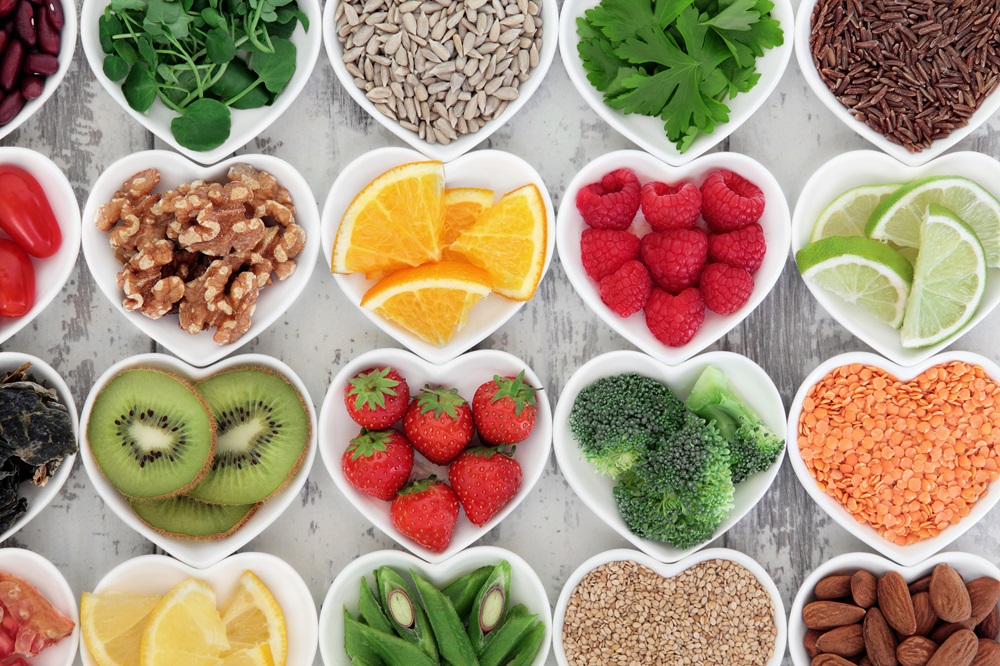
After getting a dental crown, choosing soft and gentle foods helps protect your tooth and supports healing.
Soft Foods for the First Few Days
Mashed potatoes
Yoghurt
Scrambled eggs
Soup (lukewarm)
Smoothies
These foods reduce pressure on the crown and allow proper healing.
Gradually Reintroducing Normal Foods
After a few days, you can slowly reintroduce:
Soft rice and pasta
Cooked vegetables
Tender meats
Soft fruits like bananas
Always chew on the opposite side of the crown initially.
How Long Should You Avoid Certain Foods?
The restriction period depends on your dentist’s advice and the type of crown used.
First 24–48 Hours
Avoid all hard, sticky, and chewy foods completely. Stick to soft foods only.
First Week
Continue avoiding high-risk foods and chew carefully on the opposite side of your mouth.
Long-Term Care
Even after healing, it is best to avoid habits like chewing ice or biting hard objects to prolong the life of your crown.
Tips to Protect Your Dental Crown
Following simple habits can significantly extend the life of your crown.
Maintain Good Oral Hygiene
Brush twice daily and floss carefully around the crown to prevent plaque buildup.
Use a Night Guard if Needed
If you grind your teeth, a night guard can protect your crown from excessive force.
Regular Dental Check-Ups
Routine visits help ensure the crown remains secure and your gums stay healthy.
Conclusion
Knowing the foods to avoid after getting a dental crown is essential for protecting your new restoration and ensuring long-term success. Hard, sticky, chewy, acidic, and sugary foods can all compromise the strength and stability of your crown, especially during the early healing period.