

Dental Crowns Explained: When You Need a Tooth Cap and Why
Dental crowns, often called tooth caps, are one of the most common and effective restorative treatments in modern dentistry. They are used to restore strength, shape, and function to damaged teeth while also improving appearance. If your dentist has recommended a “tooth cap,” they are referring to a custom-made covering that fits over your natural tooth to protect it from further damage.
This guide explains what dental crowns are, when you need them, why they are recommended, and how they help preserve long-term oral health. Understanding the purpose of a crown can help you make informed decisions about your dental care.
What Is a Dental Crown (Tooth Cap)?
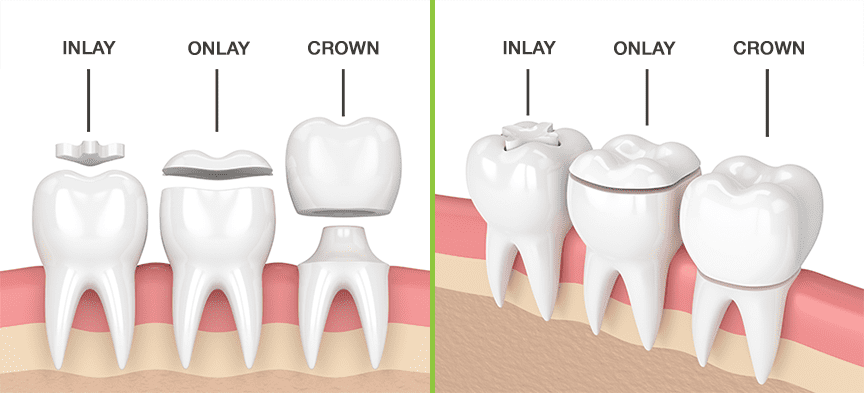
A dental crown is a protective covering placed over a weakened, cracked, or heavily restored tooth. It fully encases the visible part of the tooth above the gum line, restoring its original size, shape, and strength.
In dental terms, a crown is considered a fixed prosthetic restoration. Once cemented, it stays in place and functions like a natural tooth.
Purpose of a Tooth Cap
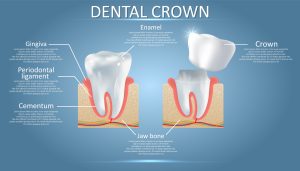
The main purpose of a tooth cap is to protect and reinforce a compromised tooth. Dentists use crowns to:
Restore structural integrity
Prevent further cracking or decay
Improve chewing ability
Enhance cosmetic appearance
Support other dental restorations
A dental crown is not just a cosmetic fix—it is often necessary to preserve a tooth that would otherwise weaken or fail.
When Do You Need a Dental Crown?
A tooth cap is recommended when a tooth is no longer strong enough to function on its own. This usually happens due to decay, injury, or previous dental work.
1. Large Tooth Decay or Cavities
When a cavity becomes too large for a simple filling, a crown is often the best solution. Fillings repair small areas of decay, but large cavities weaken the tooth structure. A crown holds the tooth together and prevents it from breaking.
Without a crown, the tooth may continue to deteriorate and eventually require extraction.
2. Cracked or Broken Teeth
Teeth can crack due to trauma, biting hard objects, or long-term grinding. A crack can spread over time and lead to tooth loss.
A dental crown covers and stabilises the cracked tooth, holding it together and preventing further damage. In many cases, crowns are the best way to save a fractured tooth.
3. After a Root Canal Treatment
A tooth that has undergone root canal therapy is often weaker because the inner tissue and nerve have been removed. This makes the tooth more brittle and prone to breaking.
A crown is usually placed after a root canal to protect the tooth and restore full chewing function. Without a crown, the treated tooth may fracture over time.
4. Worn Down Teeth
Teeth can wear down due to long-term grinding (bruxism), acid erosion, or aggressive brushing. Severely worn teeth lose their shape and function.
A dental crown restores the original height and structure of the tooth, improving bite alignment and reducing discomfort.
5. Large Fillings or Weak Tooth Structure
When a tooth has multiple fillings or a very large restoration, there may not be enough natural structure left to support it. In such cases, a crown provides full coverage and reinforcement.
This helps prevent the tooth from splitting under pressure during chewing.
6. Cosmetic Improvements
Crowns are also used for aesthetic reasons. They can improve the appearance of:
Discoloured teeth that do not respond to whitening
Misshapen or uneven teeth
Gaps or irregular tooth shapes
In cosmetic dentistry, crowns are carefully designed to match surrounding teeth for a natural-looking smile.
Types of Dental Crowns
Different materials are used to make crowns, and each type has specific advantages depending on strength, cost, and appearance.
Porcelain Crowns
Porcelain crowns are highly aesthetic and closely resemble natural teeth. They are commonly used for front teeth where appearance is important.
Benefits include:
Natural look and colour matching
Metal-free composition
Good for visible teeth
However, they may not be as strong as metal-based options for heavy chewing.
Zirconia Crowns
Zirconia crowns are known for their exceptional strength and durability. They are suitable for both front and back teeth.
Advantages include:
Very strong and long-lasting
Resistant to cracking
Natural appearance
They are a popular modern choice for patients needing durability and aesthetics combined.
Porcelain-Fused-to-Metal (PFM) Crowns
PFM crowns combine a metal base with a porcelain outer layer.
Benefits include:
Strong internal structure
Good aesthetics compared to full metal crowns
Suitable for both front and back teeth
A potential drawback is that the metal edge may become visible near the gums over time.
Metal Crowns
Metal crowns are made from alloys such as gold or other durable metals.
Advantages include:
Extremely long-lasting
Resistant to wear and fracture
Requires less removal of natural tooth
They are usually placed on back teeth where appearance is less important.
How Dental Crowns Work
A crown works by fully covering the damaged tooth, distributing chewing forces evenly and protecting the remaining tooth structure.
Structural Support
The crown acts as a protective shell, preventing cracks from spreading and reinforcing weak teeth.
Restoration of Function
Once placed, a crown restores normal chewing and biting ability, allowing patients to eat without discomfort.
Protection from Further Damage
By sealing the tooth, crowns prevent bacteria from entering and reduce the risk of further decay or infection.
The Dental Crown Procedure
Getting a tooth cap usually involves a structured process over one or two visits.
Step 1: Examination and Preparation
The dentist examines the tooth and may take X-rays. The tooth is then reshaped to make room for the crown.
If necessary, damaged areas are rebuilt with filling material before shaping.
Step 2: Impressions or Digital Scans
An impression or digital scan is taken to create a precise model of the tooth. This ensures the crown fits comfortably and matches your bite.
Step 3: Temporary Crown Placement
A temporary crown is placed to protect the tooth while the permanent version is being made in a dental lab.
Step 4: Final Crown Fitting
Once ready, the permanent crown is checked for fit, colour, and comfort before being permanently cemented in place.
Benefits of Dental Crowns
Dental crowns offer several important benefits for both oral health and appearance.
Improved Strength and Durability
Crowns restore strength to weakened teeth, allowing normal function without risk of breakage.
Enhanced Appearance
Modern crowns are designed to blend naturally with surrounding teeth, improving smile aesthetics.
Long-Term Tooth Preservation
By protecting damaged teeth, crowns help avoid extraction and maintain natural tooth structure.
Better Oral Function
Patients can chew, speak, and bite comfortably after receiving a crown.
How Long Do Dental Crowns Last?
The lifespan of a crown depends on the material used and how well it is maintained.
Porcelain crowns: 10–15 years
PFM crowns: 10–20 years
Zirconia crowns: 15–25 years
Metal crowns: 20+ years
Good oral hygiene and regular dental visits significantly extend crown lifespan.
Care Tips for Tooth Caps
Taking care of a crown is similar to caring for natural teeth.
Daily Cleaning
Brush twice daily and floss carefully around the crown to prevent plaque buildup.
Avoid Hard Foods
Avoid biting very hard objects like ice or hard sweets that may damage the crown.
Regular Check-Ups
Dental visits help ensure the crown remains secure and surrounding gums stay healthy.
Conclusion
Dental crowns, or tooth caps, are a reliable and long-lasting solution for restoring damaged teeth. They are recommended when a tooth is too weak for a filling, cracked, heavily worn, or cosmetically imperfect.
By fully covering and protecting the tooth, crowns restore strength, function, and appearance while preventing further damage. With multiple material options available—such as porcelain, zirconia, metal, and PFM—patients can choose a solution that suits both their needs and budget.
Understanding when you need a dental crown and why it is used can help you take proactive steps toward maintaining strong, healthy teeth for the long term.