

Why Regular Dental Cleanings Matter More Than You Think
Regular dental cleanings are often viewed as a routine part of oral care, but their importance goes far beyond simply keeping your teeth looking clean. Many people underestimate the impact these appointments have on long-term oral health, overall wellbeing, and even financial savings on future dental treatments. In reality, professional dental cleanings are one of the most effective preventive healthcare measures available.
This article explores why regular dental cleanings matter more than you think, what happens during a visit, and how staying consistent with appointments can protect your smile for life.
Understanding the Purpose of Regular Dental Cleanings
Dental cleanings are designed to remove plaque, tartar, and stains that cannot be eliminated through brushing and flossing alone. Even with excellent daily oral hygiene, certain areas of the mouth are difficult to reach, allowing bacteria to build up over time.
More Than Just a Cosmetic Procedure
While clean teeth and fresh breath are noticeable benefits, the primary purpose of a dental cleaning is disease prevention. Plaque buildup can lead to cavities and gum disease if not professionally removed.
Professional Prevention vs At-Home Care
At-home oral hygiene is essential, but it cannot replace the precision and depth of professional cleaning. Dental hygienists use specialised tools to reach below the gumline and between tight spaces that toothbrushes cannot access.
How Regular Dental Cleanings Protect Your Oral Health
One of the most important reasons for regular dental visits is the prevention of serious oral health conditions.
Preventing Tooth Decay
Tooth decay begins when plaque bacteria produce acids that erode enamel. Over time, this leads to cavities. Regular cleanings remove plaque before it can cause lasting damage.
Reducing the Risk of Gum Disease
Gum disease, also known as periodontal disease, starts with gingivitis. This early stage is reversible but often goes unnoticed. Without treatment, it can progress to periodontitis, which may result in tooth loss.
Early Detection of Dental Issues
During a cleaning, dentists and hygienists can identify early signs of problems such as cracks, infections, or decay. Early detection allows for simpler and less expensive treatments.
The Connection Between Oral Health and Overall Health
Modern research continues to show strong links between oral health and general health. Regular dental cleanings contribute to a healthier body, not just a healthier mouth.
Heart Health and Gum Disease
Bacteria from gum infections can enter the bloodstream, potentially contributing to inflammation and increasing the risk of heart disease.
Diabetes and Oral Health
People with diabetes are more susceptible to gum disease, and poor oral health can make it harder to control blood sugar levels.
Respiratory and Other Systemic Conditions
Bacteria from the mouth can be inhaled into the lungs, potentially causing respiratory infections. Maintaining oral hygiene helps reduce this risk.
What Happens During a Regular Dental Cleaning
Understanding the process can make dental visits less intimidating and more predictable.
Initial Examination
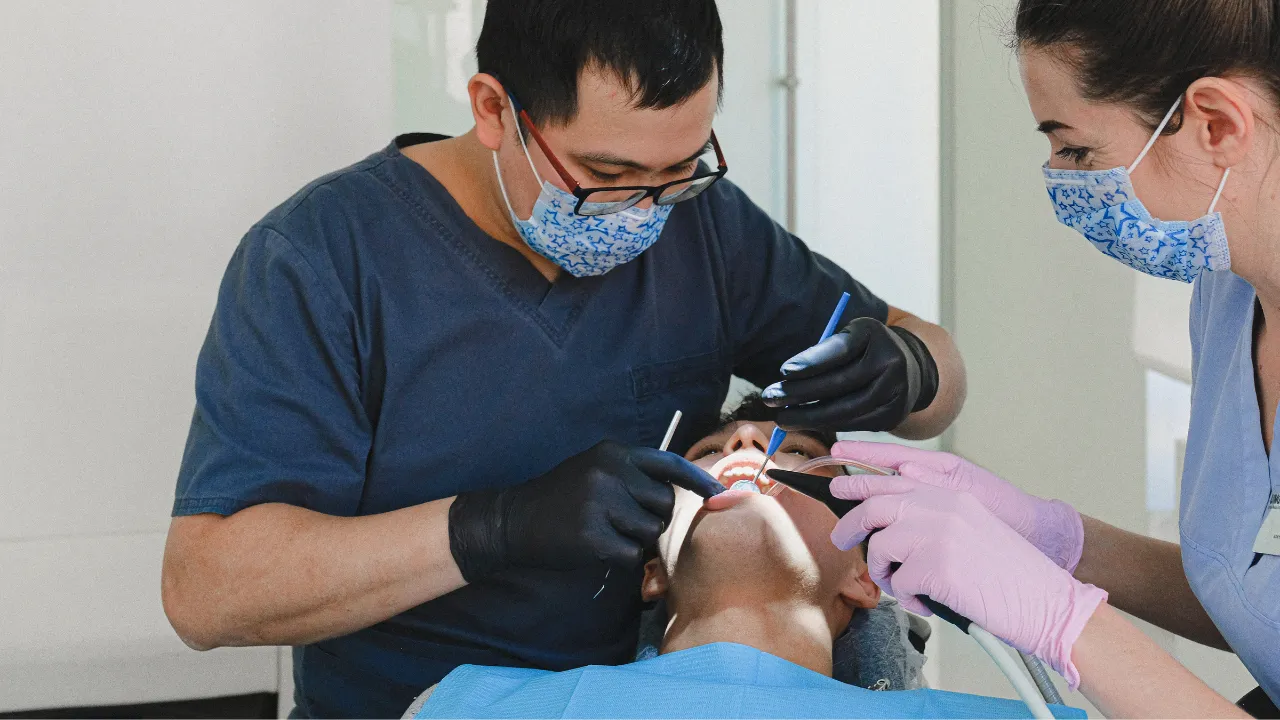
The dental hygienist begins by examining your teeth and gums to check for plaque buildup, inflammation, or signs of gum disease.
Scaling and Plaque Removal
Special tools are used to remove hardened tartar from the teeth, especially around the gumline. This is a crucial step in preventing gum disease.
Polishing and Surface Cleaning
After scaling, teeth are polished using a gritty toothpaste and rotating brush. This removes surface stains and smooths enamel.
Flossing and Fluoride Treatment
Professional flossing ensures all debris is removed, and fluoride may be applied to strengthen teeth and prevent decay.
Why Skipping Dental Cleanings Can Be Costly
Many people delay dental cleanings due to time, cost, or anxiety. However, skipping these appointments often leads to more expensive and complex dental problems in the future.
Small Problems Become Big Ones
A minor cavity that could have been treated with a simple filling may eventually require a root canal or extraction if left untreated.
Higher Long-Term Costs
Preventive care is significantly cheaper than restorative treatments. Regular cleanings help avoid expensive procedures later.
Increased Risk of Emergency Dental Visits
Neglecting routine care increases the likelihood of sudden dental pain or infection, which often requires urgent treatment.
How Often Should You Get a Dental Cleaning?
The frequency of dental cleanings depends on individual oral health needs.
Standard Recommendation
Most people should visit the dentist every six months for a cleaning and check-up.
Higher Risk Patients
Individuals with gum disease, diabetes, or a history of frequent cavities may require more frequent visits, such as every three to four months.
Personalised Dental Plans
Your dentist will recommend a schedule based on your specific oral health condition and risk factors.
Benefits Beyond Oral Health
Regular dental cleanings offer advantages that go beyond preventing cavities and gum disease.
Improved Confidence and Appearance
Clean teeth contribute to a brighter smile, fresher breath, and improved self-esteem in social and professional settings.
Better Breath and Oral Freshness
Bad breath is often caused by bacteria buildup. Regular cleanings significantly reduce this issue.
Long-Term Tooth Preservation
By maintaining gum health and preventing decay, regular cleanings help you keep your natural teeth for longer.
Common Misconceptions About Dental Cleanings
There are several myths that prevent people from scheduling regular dental visits.
“If My Teeth Look Fine, I Don’t Need a Cleaning”
Even healthy-looking teeth can have hidden plaque and tartar buildup below the gumline.
“Dental Cleanings Damage Tooth Enamel”
Professional cleanings are safe and designed to protect enamel, not harm it.
“I Can Just Brush Harder at Home”
Brushing harder does not remove tartar and can actually damage gums and enamel.
How to Make the Most of Your Dental Cleaning
To maximise the benefits of your visit, it helps to prepare and maintain good habits.
Maintain Daily Oral Hygiene
Brush twice a day with fluoride toothpaste and floss daily to reduce plaque buildup.
Be Honest With Your Dentist
Share any sensitivity, pain, or concerns so your treatment can be adjusted accordingly.
Follow Aftercare Advice
If fluoride treatment is applied, avoid eating or drinking for the recommended time to allow full absorption.
Conclusion: A Small Habit With Big Health Benefits
Regular dental cleanings are one of the simplest yet most powerful ways to maintain oral and overall health. They prevent disease, reduce long-term costs, and help you maintain a confident smile. While it may be tempting to delay appointments, the benefits of staying consistent far outweigh the inconvenience.
By understanding why regular dental cleanings matter more than you think, you can take proactive steps toward better health and a brighter future for your teeth and gums.