

What Really Happens During a Professional Teeth Cleaning?
A professional teeth cleaning is one of the most important preventive dental treatments, yet many people are unsure about what actually happens during the appointment. Whether you visit the dentist regularly or it’s been a while since your last check-up, understanding the process can help reduce anxiety and encourage better oral health habits. In this article, we break down each step of a professional dental cleaning, what you can expect, and why it matters for your long-term health.
Why Professional Teeth Cleaning Is Important
Before diving into the process, it helps to understand why dental cleanings are recommended every six months for most people. Even with excellent brushing and flossing at home, plaque and tartar can still build up in hard-to-reach areas.
Prevents Tooth Decay and Gum Disease
Plaque is a sticky film of bacteria that forms on your teeth. If it isn’t removed, it hardens into tartar, which can only be removed by a dental professional. Left untreated, this buildup can lead to cavities, gingivitis, and more serious gum disease.
Improves Overall Health
Research has linked poor oral health to conditions such as heart disease, diabetes, and respiratory infections. Regular cleanings reduce harmful bacteria in the mouth, supporting better overall health.
Enhances Appearance and Freshness
Teeth cleanings remove surface stains caused by coffee, tea, wine, and smoking. The result is a brighter smile and fresher breath.
Step 1: The Initial Dental Examination
Your appointment usually begins with a quick examination performed by a dentist or dental hygienist. This step ensures that your mouth is healthy enough for a standard cleaning.
Checking for Plaque and Tartar
The hygienist uses a small mirror to inspect your teeth and gums for signs of plaque buildup, tartar, or inflammation.
Assessing Gum Health
They may use a small probe to measure the spaces between your teeth and gums. This helps detect early signs of gum disease, such as gingivitis or periodontitis.
Looking for Other Dental Concerns
If any issues such as cavities, cracked teeth, or infections are spotted, your dentist may recommend additional treatment before or after the cleaning.
Step 2: Removing Plaque and Tartar (Scaling)
Once the examination is complete, the hygienist begins the scaling process. This is where the actual cleaning work happens.
Using Specialized Dental Tools
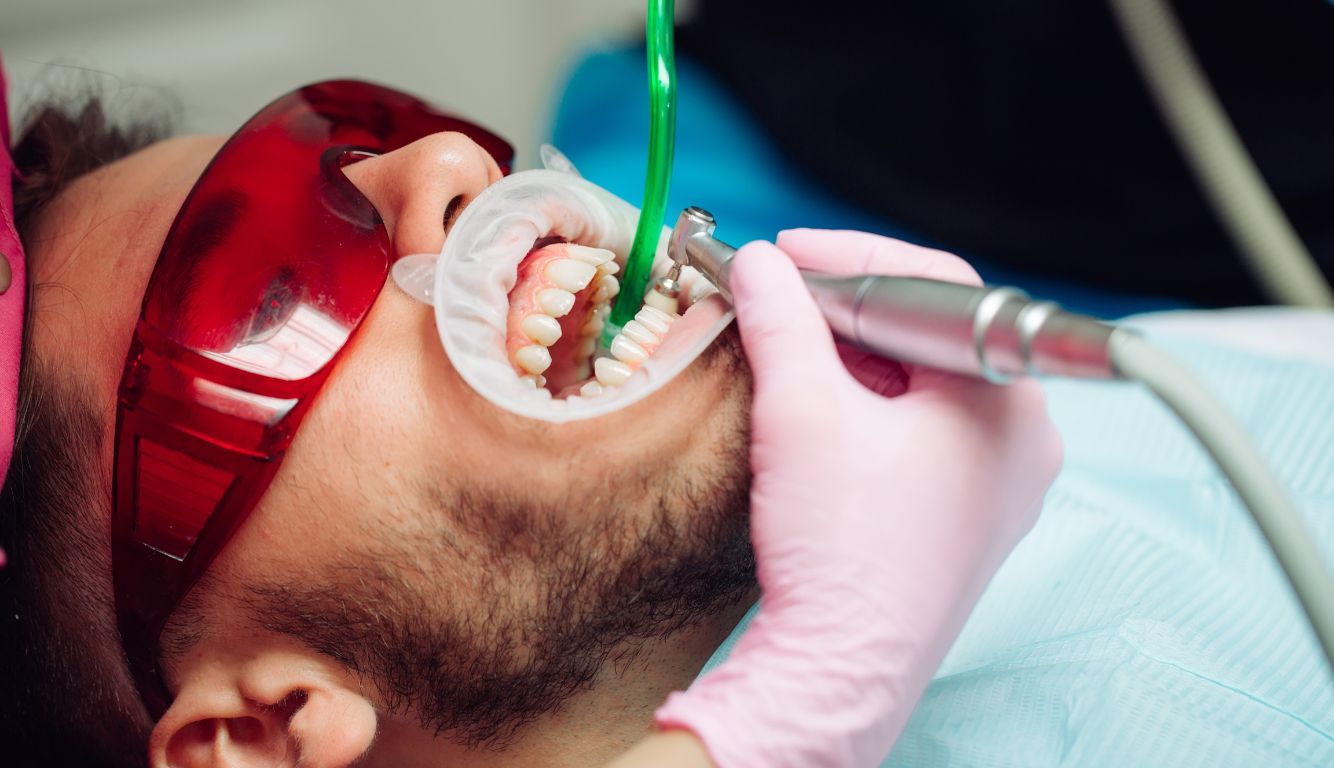
The hygienist uses a scaler, a handheld instrument designed to carefully remove plaque and tartar from around the gumline and between teeth. In some clinics, ultrasonic tools are used, which vibrate at high speeds to break down hardened deposits.
Why Scaling Is Necessary
Tartar cannot be removed with a toothbrush or floss. If it stays on your teeth, it can irritate your gums and lead to inflammation or infection.
What It Feels Like
You may feel light scraping or vibration, but the process is generally painless. If you have sensitive teeth or gums, let your hygienist know so they can adjust their technique.
Step 3: Deep Cleaning and Polishing
After the tartar is removed, your teeth are polished to smooth the surface and remove stains.
Using a Gritty Toothpaste
The hygienist uses a special electric brush and a mildly abrasive toothpaste. This helps remove any remaining surface stains and smooths the enamel.
Why Polishing Matters
A smooth tooth surface makes it harder for plaque to stick in the future, helping you maintain a cleaner mouth for longer.
Immediate Results
After polishing, your teeth often feel noticeably smoother and look brighter.
Step 4: Professional Flossing
Even if you floss at home, professional flossing is more thorough.
Reaching Deep Between Teeth
The hygienist flosses between every tooth, ensuring any leftover plaque or toothpaste is removed from the cleaning process.
Checking for Problem Areas
This step also helps identify areas where your gums may bleed or be more sensitive, which could indicate early gum disease.
Step 5: Rinsing and Fluoride Treatment
After cleaning and flossing, your mouth is rinsed thoroughly.
Fluoride Application
Many dental cleanings include a fluoride treatment. This is applied as a gel, foam, or varnish to help strengthen enamel and protect against cavities.
Benefits of Fluoride
Fluoride helps rebuild weakened tooth enamel and makes teeth more resistant to acid attacks from bacteria and food.
Short and Simple Process
The fluoride is usually left on your teeth for a few minutes, and you may be asked not to eat or drink for 30 minutes afterward.
Step 6: Final Check and Dental Advice
Once your cleaning is complete, your dentist or hygienist will provide feedback and recommendations.
Oral Hygiene Tips
You may receive advice on improving your brushing technique, flossing habits, or product recommendations such as electric toothbrushes or mouthwash.
Personalised Dental Care Plan
If any issues were discovered, your dentist may suggest follow-up treatments such as fillings, deep cleaning, or further examination.
Scheduling Your Next Visit
Most patients are advised to return in six months, but some may need more frequent visits depending on their oral health.
Does a Professional Teeth Cleaning Hurt?
A common concern among patients is discomfort. For most people, teeth cleaning is not painful.
Normal Sensations
You might feel pressure, scraping, or slight sensitivity, especially if there is significant tartar buildup.
Sensitive Gums or Teeth
If your gums are inflamed or you have gum disease, the cleaning may feel slightly uncomfortable. However, dental professionals are trained to make the experience as gentle as possible.
Local Anesthetic Options
In rare cases of severe sensitivity, a dentist may offer numbing options.
How Long Does a Teeth Cleaning Take?
A standard dental cleaning typically takes between 30 and 60 minutes.
Factors That Affect Duration
The time required depends on the amount of plaque and tartar buildup, the condition of your gums, and whether additional treatments are needed.
First-Time or Overdue Visits
If it has been several years since your last cleaning, the appointment may take longer due to heavier buildup.
How to Maintain Your Smile After a Cleaning
Keeping your teeth clean after your appointment is essential for long-term oral health.
Brush Twice Daily
Use a fluoride toothpaste and brush for at least two minutes each time.
Floss Every Day
Flossing removes plaque between teeth that brushing alone cannot reach.
Limit Sugary Foods and Drinks
Sugar feeds bacteria that cause plaque buildup and tooth decay.
Stay Hydrated
Drinking water helps wash away food particles and bacteria throughout the day.
Final Thoughts
A professional teeth cleaning is a simple yet powerful way to maintain oral health, prevent disease, and keep your smile bright. While the idea of dental tools may seem intimidating, the process is generally comfortable, quick, and highly beneficial. By understanding what happens during each step, you can feel more confident and prepared for your next dental visit—and take better care of your teeth in the long run.