

Pain vs Gain: Is Getting Dental Implants Really That Bad?
Dental implants are widely considered the gold standard for replacing missing teeth—but for many people, one question stands in the way: Is it really that bad?
The idea of surgery can sound intimidating, and it’s natural to wonder whether the pain is worth it. The truth is, while there is some discomfort involved, the reality is far less dramatic than most people expect. In this article, we’ll break down the “pain vs gain” of dental implants so you can make an informed, confident decision.
What Are Dental Implants and Why Do People Choose Them?
Before diving into pain levels, it’s important to understand what dental implants are and why they’re so popular.
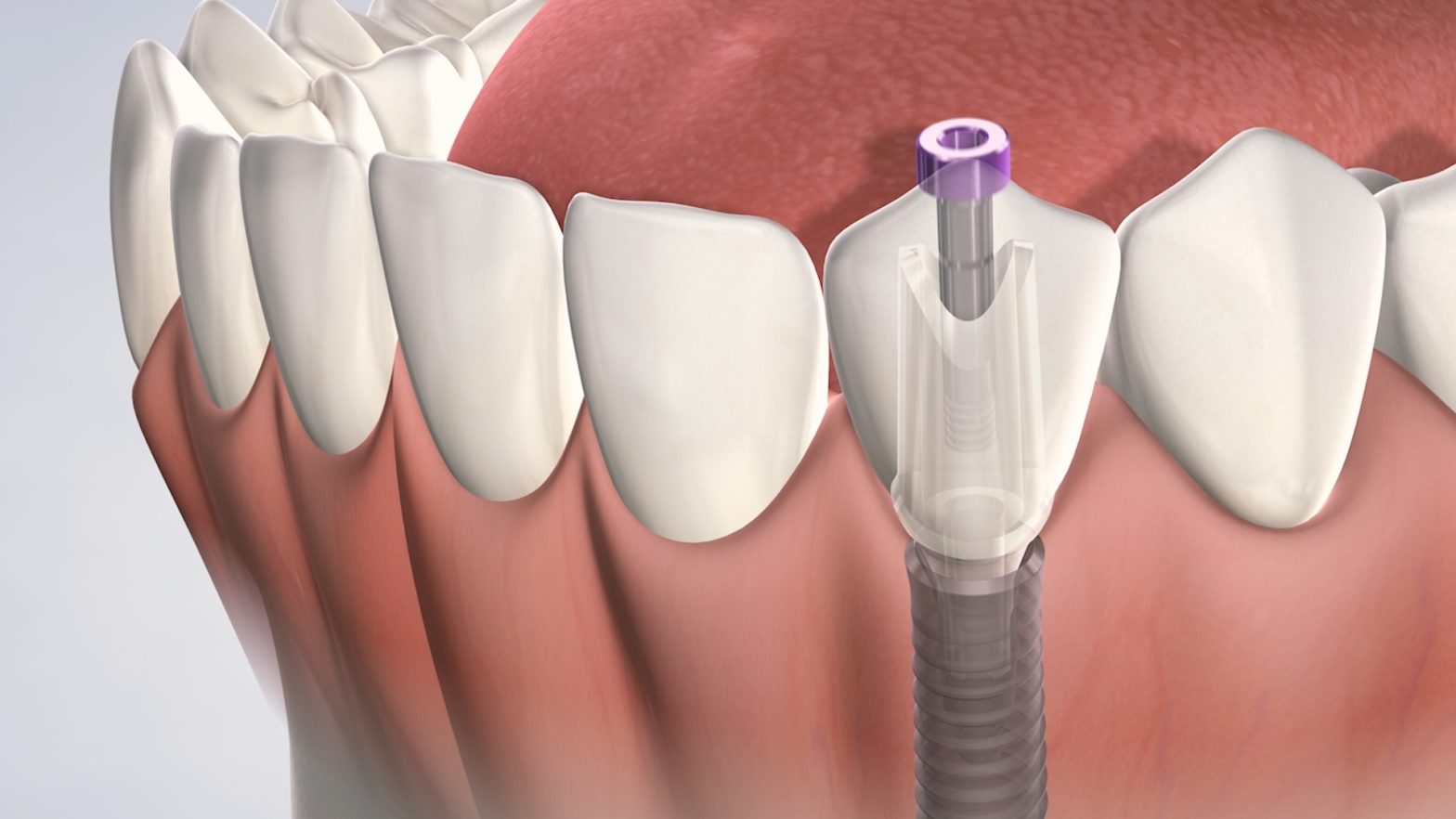
A dental implant is a small titanium post placed into the jawbone to replace the root of a missing tooth. Once healed, it supports a crown that looks and functions like a natural tooth.
Key Benefits of Dental Implants
Long-lasting and durable solution
Natural appearance and feel
Improved chewing and speech
Prevention of bone loss
No need for adhesives like dentures
These benefits are a major reason why many patients are willing to go through the procedure.
How Painful Is the Dental Implant Procedure?
Let’s address the biggest concern first: pain during the procedure.
During Surgery: Surprisingly Comfortable
Dental implant placement is performed under local anesthesia, which completely numbs the area. This means:
You won’t feel pain during the procedure
You may feel pressure or movement
The experience is often compared to a routine dental treatment
For patients with anxiety, sedation options are available to make the experience even more relaxed.
After Surgery: Mild to Moderate Discomfort
Once the anesthesia wears off, some discomfort is expected. This may include:
Soreness at the implant site
Swelling of the gums or face
Minor bruising
However, most patients describe the pain as manageable and similar to a tooth extraction.
The Recovery Timeline: What to Expect
Understanding the recovery process helps put the discomfort into perspective.
First 24–72 Hours
Peak swelling and soreness
Managed with pain relief and rest
Days 4–7
Noticeable improvement
Reduced swelling and discomfort
Week 2 and Beyond
Minimal pain
Return to normal daily activities
While full healing (bone integration) takes a few months, the uncomfortable phase is relatively short.
Comparing Pain: Implants vs Other Dental Procedures
Many people assume dental implants are the most painful option—but that’s often not the case.
How They Compare
Tooth extraction: Often more painful
Root canal: Similar or slightly more uncomfortable
Dental implant: Typically mild to moderate discomfort
Because implant procedures are carefully planned, they tend to be less traumatic than emergency dental treatments.
What Makes Dental Implants Worth It?
Now let’s look at the “gain” side of the equation.
Long-Term Comfort and Stability
Unlike dentures, implants are fixed in place. They don’t slip, click, or require adhesives, making them feel more like natural teeth.
Improved Quality of Life
Patients often report:
Better ability to eat their favorite foods
Clearer speech
Increased confidence in social situations
Jawbone Preservation
Dental implants stimulate the jawbone, preventing bone loss that typically occurs with missing teeth.
Psychological Impact: Fear vs Reality
Fear often exaggerates the perceived pain of dental implants.
Why It Feels Worse Than It Is
Fear of the unknown
Negative past dental experiences
Misinformation online
In reality, many patients say the anticipation was the hardest part—not the procedure itself.
Tips to Minimise Pain and Discomfort
While some discomfort is unavoidable, there are effective ways to make recovery easier.
Follow Aftercare Instructions
Your dentist will provide specific guidelines, such as:
Taking prescribed medication
Using ice packs to reduce swelling
Avoiding strenuous activity
Eat Soft Foods
Stick to gentle foods like:
Soups
Yogurt
Mashed vegetables
Smoothies
This reduces pressure on the implant site.
Maintain Good Oral Hygiene
Keeping the area clean helps prevent infection and promotes faster healing.
When Pain Might Be a Concern
While most experiences are smooth, it’s important to know when something isn’t normal.
Watch for These Warning Signs
Severe or worsening pain after several days
Persistent swelling or bleeding
Signs of infection (fever, pus)
Implant feeling loose
If you notice any of these, contact your dentist promptly.
Who Might Experience More Discomfort?
Pain levels can vary depending on individual factors.
Factors That Influence Recovery
Number of implants placed
Need for bone grafting
Overall health and healing ability
Smoking habits
Even in more complex cases, discomfort is usually manageable with proper care.
Is the Pain Temporary Worth the Long-Term Gain?
This is the key question.
Short-Term vs Long-Term
Short-term: A few days of mild to moderate discomfort
Long-term: Years (or decades) of improved function and confidence
When viewed this way, many patients find the trade-off more than worthwhile.
Real Patient Perspective
Many people who were initially nervous about dental implants share similar feedback after the procedure.
Common Experiences
“It wasn’t nearly as bad as I expected.”
“The recovery was quicker than I thought.”
“I wish I had done it sooner.”
These insights highlight how fear often outweighs reality.
Final Verdict: Is Getting Dental Implants Really That Bad?
So, is it really that bad? In most cases, no.
Dental implants involve a short period of manageable discomfort, but the long-term benefits far outweigh the temporary pain. With modern techniques, anesthesia, and proper aftercare, the process is smoother and more comfortable than ever before.
If you’ve been putting off treatment because of fear, it may be time to rethink your assumptions. The “pain” is temporary—but the “gain” is a strong, natural-looking smile that can last a lifetime.